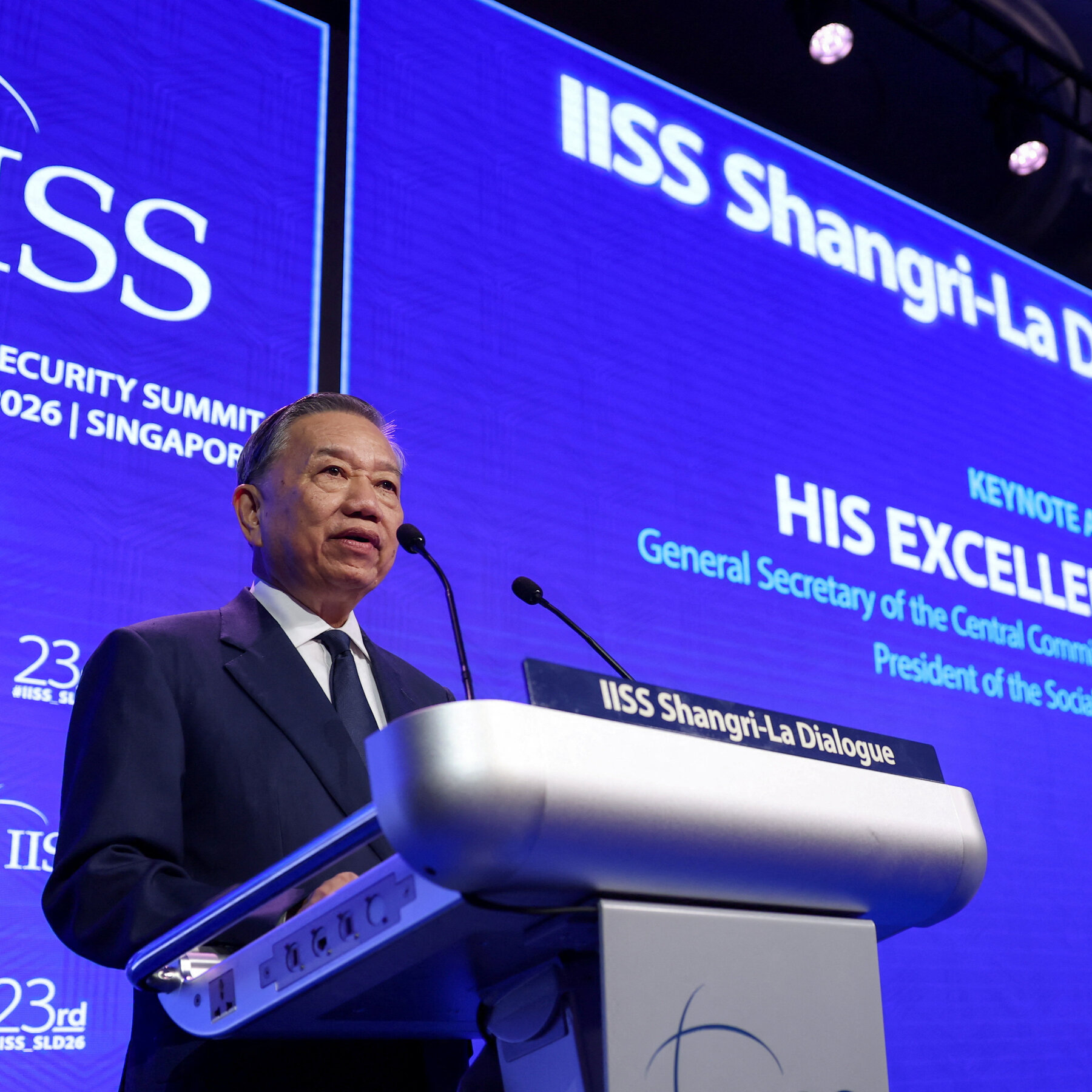
Urgent Call for Restraint in Asia’s Geopolitical Hotspot
High-ranking officials from Southeast Asia have issued stark warnings regarding the precarious geopolitical environment across the continent. Speakers, including key regional figures, have addressed assembled military leadership, emphasizing that current global dynamics are fostering an atmosphere of escalating suspicion and unchecked power plays. The central message delivered was a profound apprehension concerning the dangers posed by overt competition between major global powers.
The dialogue underscored that a pervasive disregard for established international norms and a generalized sense of mistrust are actively undermining regional stability. Such an environment creates a dangerous vacuum where smaller, developing nations become vulnerable targets in the strategic maneuvering of more dominant global actors. Leaders are calling for a collective return to principles of mutual respect and adherence to international frameworks.
The Growing Danger of Hegemonic Competition
The discourse strongly criticized the trend towards actions characterized by brute force or unchecked ambition. Rather than cooperative engagement, there is a palpable fear of a descent into spheres of influence defined by might alone. This pattern—where smaller states are overshadowed or absorbed by the actions of larger, more assertive powers—is deemed the most immediate threat to regional sovereignty and peace.
What This Means for Regional Stability
The implications of these warnings are substantial, suggesting that the region must collectively re-evaluate its strategic posture. If trust erodes completely and established international law is treated as optional, the risk of localized disputes escalating into major confrontations increases significantly. The emphasis is now on de-escalation, diplomatic reassurance, and the reinforcement of multilateral agreements that uphold non-aggression and mutual recognition of borders.
Context: The Imperative for Diplomatic Guardrails
This heightened call for caution builds against a backdrop of intensifying global rivalries. Various global powers are increasing their military and economic footprints across Asian maritime and continental corridors. While competition is a normal feature of international politics, the nature of the current tensions—marked by increased militarization and rhetoric—demands a specific, non-confrontational regional response. The regional dialogue serves as an appeal to both great powers and member states alike: that stability must be prioritized over the perceived advantage gained from strategic brinkmanship.
About the Author




