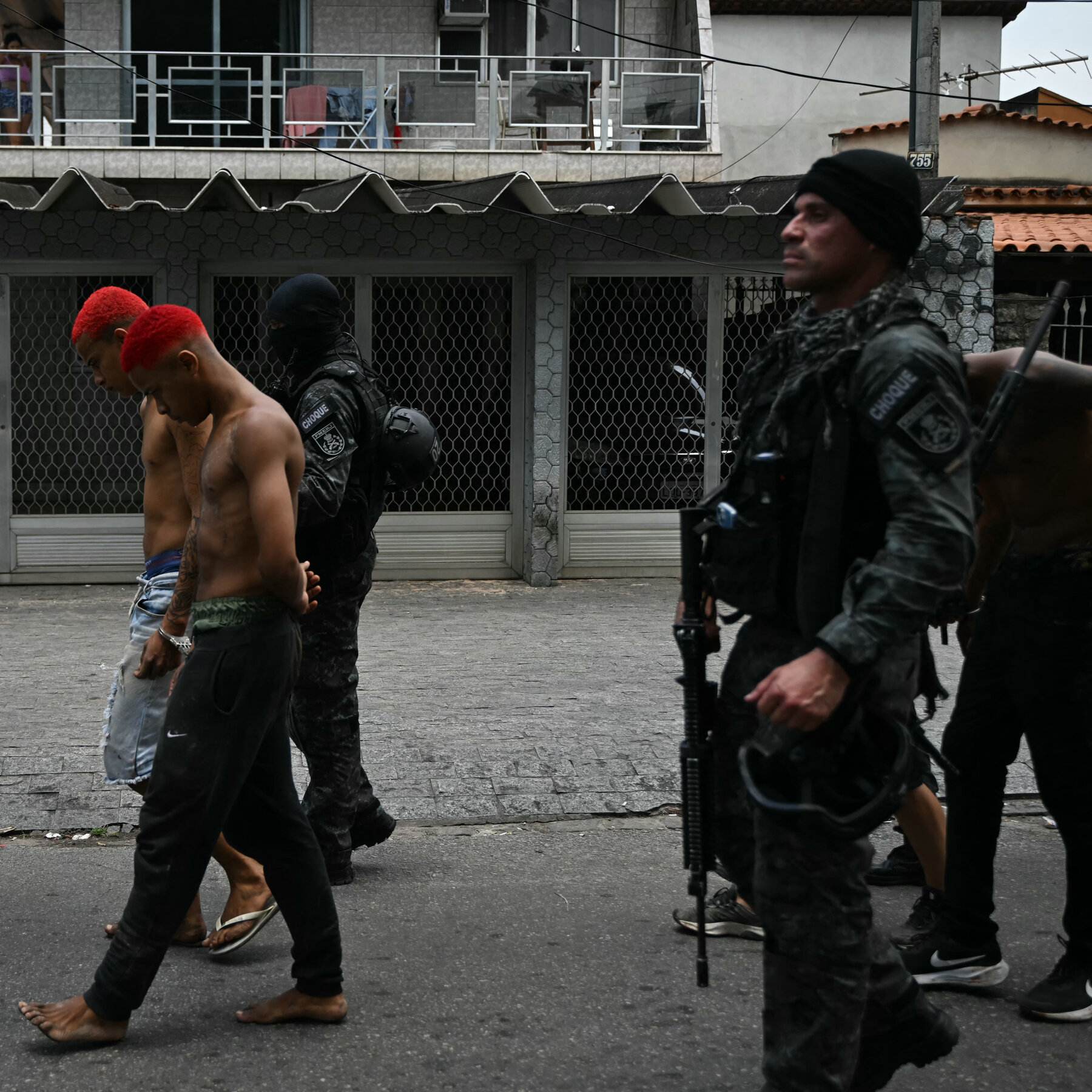
U.S. Designates Major Brazilian Drug Syndicates as Terrorist Entities
The United States government has taken a significant escalation in its approach to transnational organized crime, officially labeling Brazil’s two most powerful drug trafficking organizations as terrorist groups. This action represents a marked shift in U.S. policy, indicating a heightened level of concern regarding the threat these criminal networks pose to regional stability and international security.
This designation suggests that the U.S. views these gangs not merely as criminal enterprises involved in drug trafficking, but as entities whose operations facilitate violence, destabilization, and connections to broader forms of global illicit activity. The move follows diplomatic and political movements, signaling a tougher, more direct posture toward enforcing international security standards within Latin America.
What This Means: A Shift in Global Security Classification
Classifying drug cartels as terrorist organizations carries profound implications for international cooperation and enforcement. Typically, a terrorist designation suggests a state-level threat or a group whose violent methods mirror those of established militant organizations. By applying this label, the U.S. is signaling that the operational violence and reach of these Brazilian gangs are deemed equivalent in scope and threat level to terrorism. This classification can facilitate increased international cooperation, more stringent asset freezes, and potentially easier measures for other allied nations to interdict related financing or personnel.
The move underscores a growing global acknowledgment that the nexus between drug trafficking and violent extremism is increasingly difficult to separate. Authorities are beginning to view the criminal profit motive through a security lens, treating the mechanics of illicit finance and associated violence as comparable to those used by designated terrorist groups.
Background and Context: Intensifying Border Security Concerns
The decision does not occur in a vacuum. It reflects sustained international pressure and concern over the expansion and brutality of drug trafficking networks operating within South America. These groups are known for controlling vast swathes of territory, engaging in violent turf wars, and establishing complex logistical chains for moving narcotics across multiple national borders. The sheer scale of their operations and the resulting levels of localized violence have drawn considerable scrutiny from international bodies.
Historically, drug cartels have been treated primarily through the lens of criminal justice, focusing on seizures and arrests. However, the perceived escalation in the organized nature of the violence, coupled with intelligence suggesting deep institutional corruption and the alleged connections to other unstable elements, has prompted a policy reassessment. The U.S. action formalizes the narrative that these criminal entities represent a systemic threat requiring the specialized tools and cooperation afforded by counter-terrorism frameworks.
This action will likely compel participating nations to review their own domestic laws concerning how they classify and respond to transnational organized crime. It sets a precedent for how global powers will address powerful non-state actors whose primary economic driver is illegal trade, thereby influencing diplomatic and intelligence strategies across the hemisphere.
About the Author




