Analyzing Emerging Pressures: State Politics and Healthcare Policy Shifts in Australia
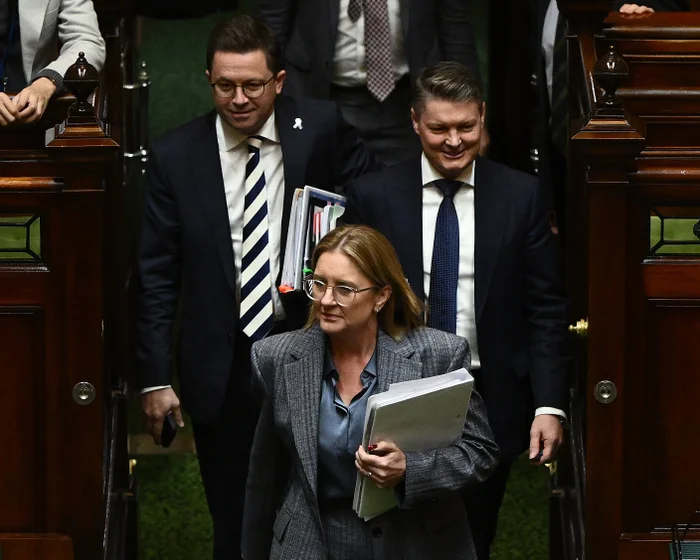
Recent survey data suggests a notable shift in the political landscape, indicating that the Australian Labor Party is facing increased challenges relative to both the Coalition and One Nation in upcoming state electoral contests. This divergence in public sentiment is drawing attention to the varying policy promises across major parties as voters assess their priorities. The political pressure is mounting, particularly regarding socioeconomic support structures, which are becoming focal points for advocacy groups.
Furthermore, conversations surrounding personal care and disability support have highlighted a significant demographic impact. Advocacy organizations have voiced serious concerns that impending reductions or changes to the National Disability Insurance Scheme (NDIS) could disproportionately affect women. These groups argue that any reallocation or diminishment of existing support systems will shift a substantial care burden onto female family members, necessitating urgent policy review.
In parallel, the healthcare sector is grappling with systemic issues regarding access and efficiency. A key area of discussion involves enhancing the prescribing capabilities of pharmacists. Industry professionals are advocating for broader authorization powers to allow pharmacists to manage more medications directly. This proposed expansion aims not only to alleviate the significant workload currently placed on General Practitioners (GPs) but also to streamline the process for patients seeking routine prescriptions.
What This Means for Everyday Australians
These two distinct areas—political viability and healthcare access—point toward significant lifestyle changes. On the one hand, voters must weigh complex economic arguments presented by different political factions in the state polls. On the other hand, the proposed elevation of pharmacists’ roles suggests a potential restructuring of primary healthcare delivery. If implemented, increased pharmaceutical autonomy could translate into faster, more convenient access to necessary medications for common ailments, reducing the need for scheduled GP visits for routine prescriptions.
Context of the Policy Debates
The push for expanded pharmacy powers is not unprecedented; existing jurisdictional trials already permit pharmacists to dispense medications for specific, defined conditions, including certain hormonal treatments, urinary tract infections, and common skin issues. However, the current advocacy suggests a desire to broaden this scope significantly. Simultaneously, the debate over disability support reflects a broader national tension between maintaining comprehensive welfare provisions and managing budgetary constraints. The perceived disparity in impact, particularly on female caregivers, underlines the deep community concerns underlying current legislative discussions.
About the Author