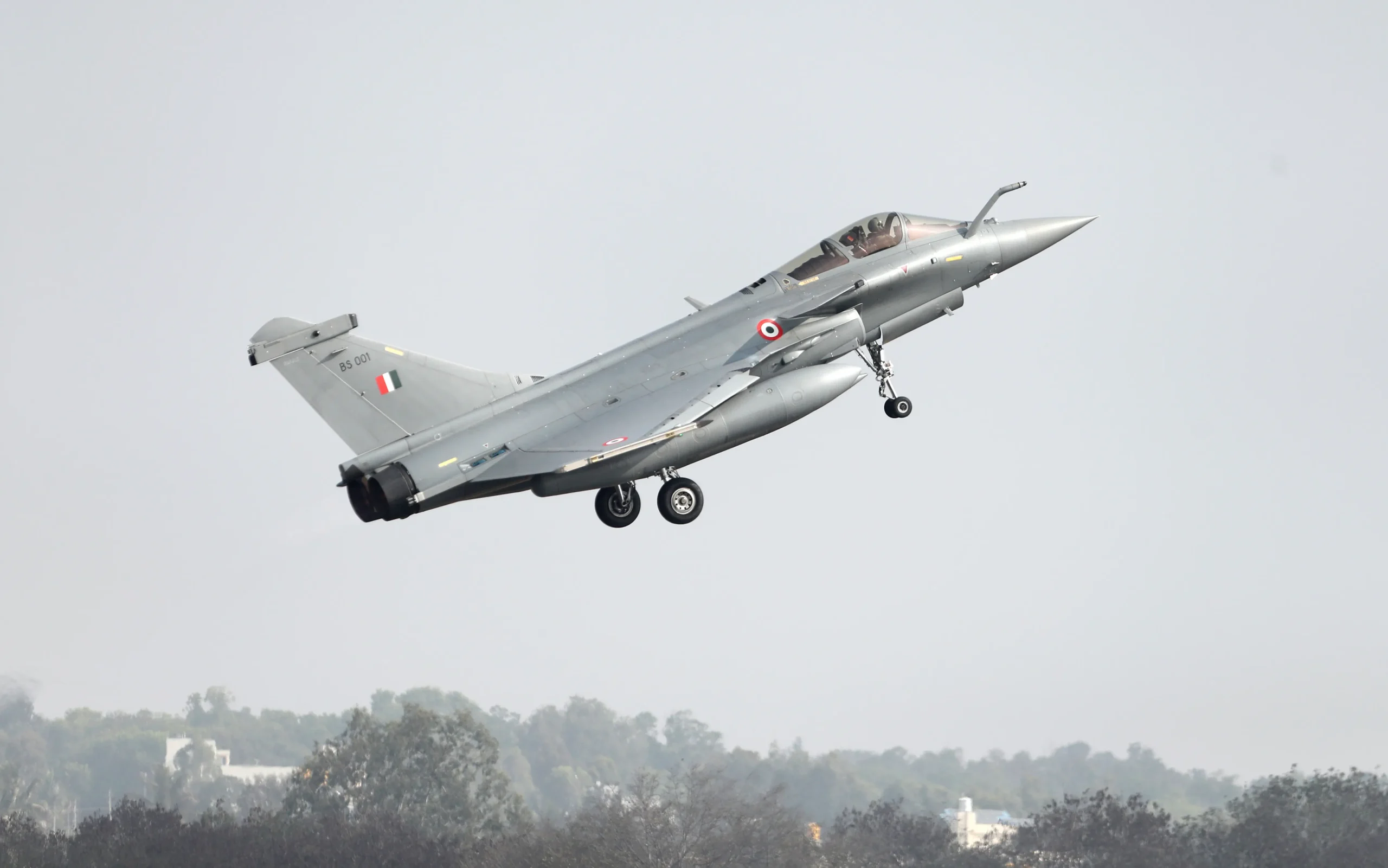
The cancellation of the ambitious multinational effort to develop a sixth-generation fighter jet represents a significant setback for European defense integration. This high-profile initiative, which sought to unify air power across several nations, has been officially shelved, signaling deeper, underlying fissures in continental military cooperation. The dissolution of the project, intended to modernize the defense capabilities of participating states, has drawn considerable attention due to Europe’s increasing need for robust, independent security structures.
At the heart of the failure appears to be an inability among key industrial and governmental stakeholders to reach a consensus on leadership and control. While the original plan involved multiple nations and was designed to replace several established air platforms, the project reportedly faltered amid intense corporate rivalries between the primary defense contractors involved. Despite repeated governmental efforts—including high-level discussions between leaders from the two core nations—the disagreements proved insurmountable, leading to the official termination of the multi-billion-dollar endeavor.
This development emerges against a backdrop of escalating geopolitical instability. As uncertainty regarding the steadfastness of major allied powers grows, there has been a heightened diplomatic push for the European Union to forge a unified and self-reliant security posture. The scrapping of such a cornerstone military venture raises serious questions about the immediate viability and political cohesion of joint defense projects on the continent.
About the Author