Strengthening Bonds: Gulf States Accelerate Critical Infrastructure and Energy Cooperation
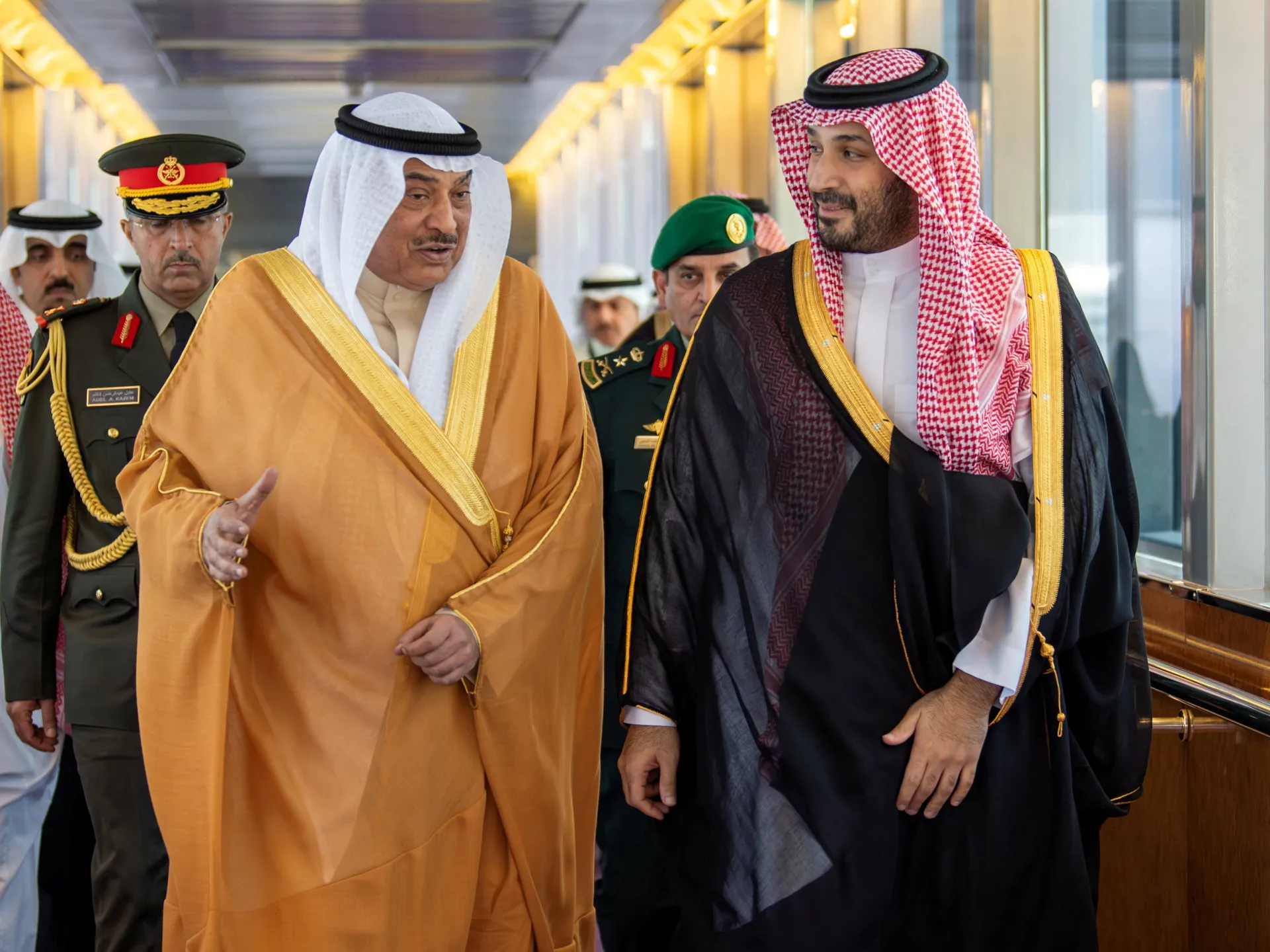
Amid heightened regional geopolitical strains, several Gulf Cooperation Council (GCC) member nations are revitalizing collaborative development plans. These joint initiatives are moving beyond mere economic aspirations, taking on a critical dimension of regional security. Discussions among leaders in recent gatherings focused heavily not only on bolstering defense capabilities but also on rapidly advancing several long-standing infrastructure and energy projects. The collective goal is to weave a tighter economic and operational framework across the member states, ensuring mutual resilience against external pressures.
The scope of this renewed cooperation is vast, encompassing everything from major transport arteries to shared energy grids and water management systems. A notable focus has been placed on completing landmark projects that, previously, faced bureaucratic hurdles or slowed progress due to differing national priorities. The current climate, marked by increased tensions in the region, is providing a powerful catalyst, suggesting that political alignment is now viewed as an urgent prerequisite for tangible, cross-border development.
What This Means: A Shift to Security Imperative
The emphasis on completing these large-scale projects signals a fundamental recalibration of regional strategy. Previously considered purely matters of trade enhancement, the infrastructure and energy links are now viewed through a geopolitical lens. The ability to move goods, power, and resources seamlessly across borders is seen as a core component of national security. This shift suggests that logistical integration is no longer optional but a necessary measure for maintaining stability and operational autonomy in a volatile area.
Deepening Cross-Border Integration
One of the most ambitious undertakings under review is the proposed regional railway network. Conceptualized years ago, this massive rail link aims to connect all six member countries via a substantial track connecting key port cities. Such a system, designed for both commercial cargo and passenger travel, promises to drastically improve mobility and streamline trade flows. However, the complexity of bringing together multiple sovereign entities—harmonizing customs procedures, technical standards, and border controls—presents a governance challenge that transcends mere construction capabilities.
Furthermore, the cooperative effort to build out the regional electrical interconnection grid remains a cornerstone. This shared power network allows member states to pool and distribute energy resources across borders, adding a layer of interdependent reliability. Alongside these physical links, the impetus to accelerate other critical services, including energy sharing and logistics corridors, highlights a comprehensive regional commitment to establishing deeply integrated operational lifelines.
About the Author