Shifting Energy Dynamics: Russia’s Decision to Reroute Kazakh Oil Away from Germany
Russia has announced a significant adjustment to its oil export logistics, confirming that shipments of oil originating from Kazakhstan and destined for Germany will cease traveling via the major Druzhba pipeline starting next month. Officials cited technical constraints as the reason for this redirection of supplies. This development signals a noticeable shift in established energy supply routes, affecting key industrial and metropolitan areas within Europe.
The move has been observed amidst a backdrop of fluctuating global energy markets, which are already strained by geopolitical tensions and regional conflicts. While the decision centers on logistical changes regarding Kazakh crude, the broader implications touch upon Germany’s complex energy sourcing strategy and its reliance on established pipelines traversing Russian territory.
The affected flow is critical because the pipeline system delivers oil crucial for refining operations. German authorities, upon learning of the planned halt, indicated that while the loss of this specific Kazakh source requires adaptation, contingency plans are in place to maintain essential supplies of fuel for the region’s critical infrastructure.
What This Means: Implications for German Energy Security
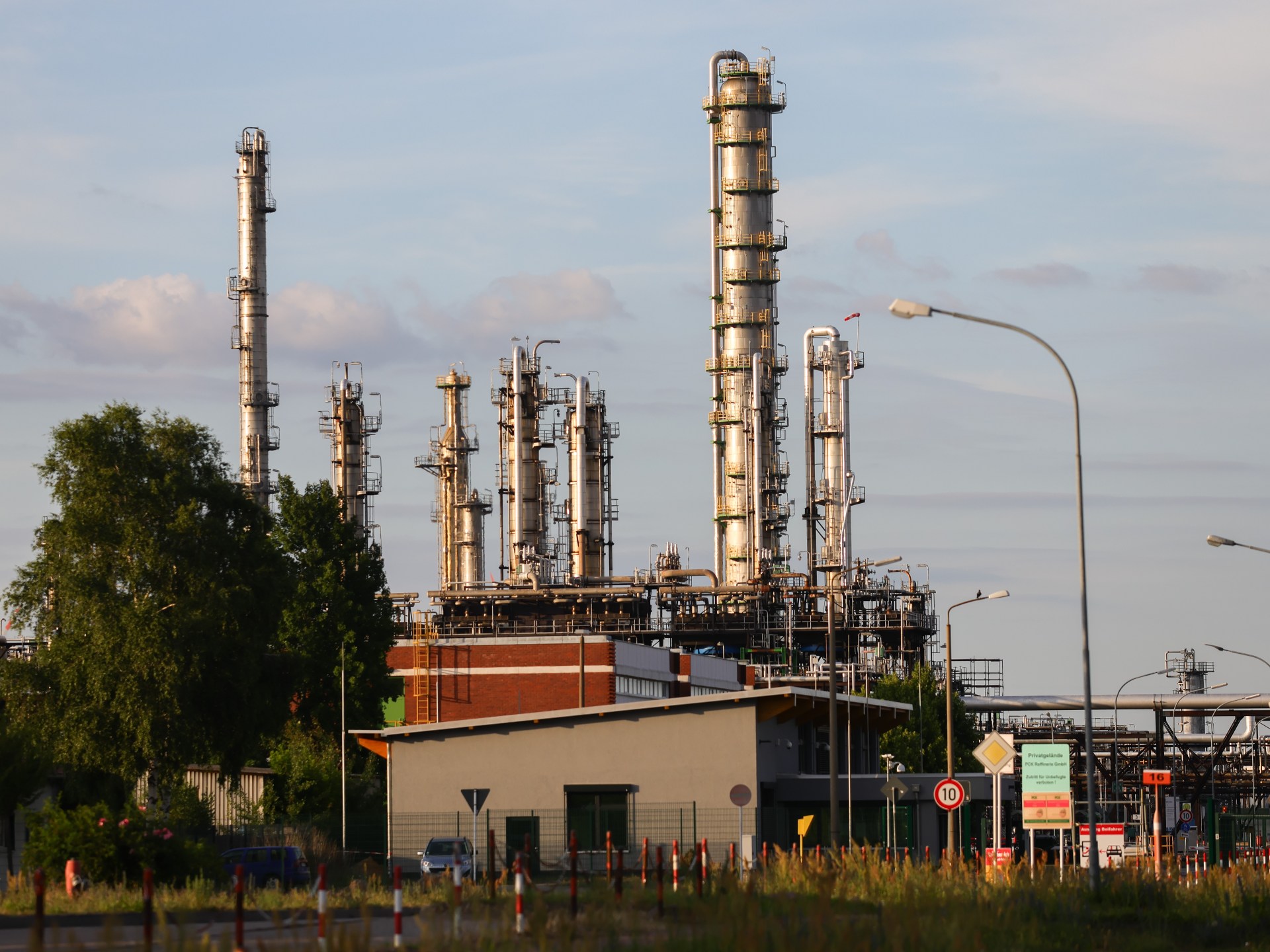
The potential reduction in oil flow directly impacts refining capacity near the German capital. One major refinery, which serves the majority of the region’s fuel needs, is significantly dependent on the steady supply provided by this pipeline segment. Authorities have acknowledged the potential for reduced operational capacity at this key facility. However, official statements have stressed that while adapting to a lower input rate, the overall security of mineral oil product supply for Germany remains manageable through the utilization of alternative logistical pathways.
Background and Context: A Network Under Pressure
The Druzhba pipeline network itself is a vital artery for moving oil across vast distances through several countries. When this established route for Kazakh oil is curtailed, it forces downstream consumers to rapidly reassess their procurement strategies. This incident underscores the delicate nature of cross-border energy dependencies. Global energy supplies are currently navigating a period of heightened volatility, making any reduction in a primary supply line—even one framed by technical reasons—a matter of strategic concern for European economies.
In essence, this adjustment forces a re-evaluation of how energy-intensive economies like Germany will secure necessary fuels when traditional supply corridors face unexpected interruptions or mandated adjustments.
About the Author