Decoding the Language of Conflict: Examining Terminology Used in Disputes Involving Iran
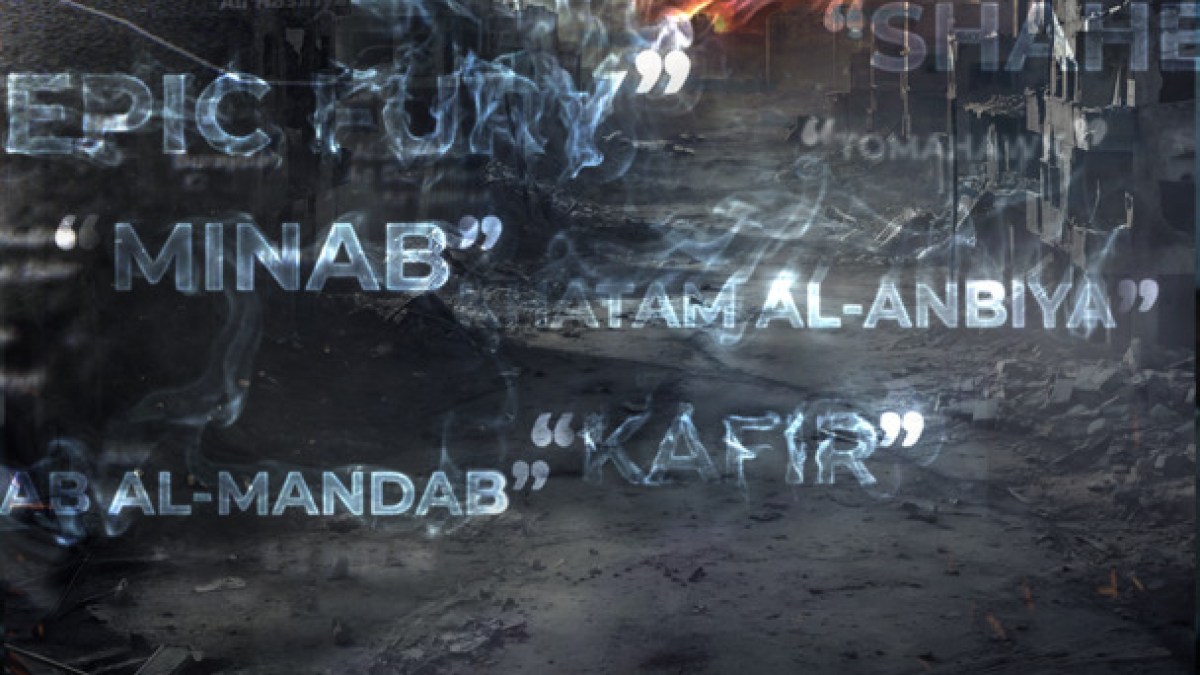
When discussing the complex geopolitical relationship and escalating tensions involving Iran, various specific terms and phrases enter the public discourse. These words often carry significant weight, historical baggage, and distinct meanings within regional and international contexts. Instead of treating the vocabulary as mere descriptive language, understanding the origins and implications of these specific terms is crucial to grasping the full scope and nuance of the current diplomatic and military standoffs.
The terminology surrounding the conflict narrative is not monolithic; rather, it draws from a deep pool of linguistic sources, blending religious, geographical, and strategic references. Analyzing these components helps reveal underlying motivations and different viewpoints held by various stakeholders. Experts suggest that a thorough examination of the language used can provide a clearer picture of the underlying narratives driving regional instability.
The Significance of Precise Language in Geopolitics
The words used to describe actions, entities, and regions in the Middle East carry profound weight. For instance, specific geographical markers or descriptive labels are not simply incidental descriptors; they often encapsulate strategic importance or deep historical disputes. Therefore, to analyze the conflict effectively, one must move beyond simply absorbing the headline rhetoric and instead investigate the roots of the language itself.
This detailed linguistic breakdown allows observers to separate established facts from loaded terminology. By understanding where a phrase originated—whether from religious texts, historical conflicts, or modern military jargon—one can better gauge the intent behind its deployment. It transforms the discussion from an emotional exchange into a more academically grounded analysis of power dynamics and stated objectives.
Navigating Conflicting Narratives
The discourse surrounding this region features multiple, sometimes conflicting, vocabularies. Some terms relate directly to perceived ideological conflicts, while others center on critical maritime chokepoints. Similarly, certain historical or ethnic identifiers are used in ways that invoke deep-seated memories and sensitivities. The careful study of these terms illustrates how language itself can become a tool—one that builds solidarity among proponents of a certain view while simultaneously alienating those outside of it.
Overall, mastering the lexicon surrounding this area is an act of intellectual due diligence. It requires recognizing that the phrasing used by major powers and regional actors is intrinsically tied to their stated goals. Recognizing the source and weight of each word helps in forming a comprehensive understanding that resists being swayed solely by dramatic, high-tension headlines. It shifts the focus from the immediate flare of conflict to the enduring, nuanced architecture of international relations.
About the Author