Taiwan’s Diplomatic Journey to Eswatini Highlights Geopolitical Tensions with China
The recent visit by Taiwan’s President, Lai Ching-te, to Eswatini underscores the ongoing complexities of international diplomacy amidst escalating regional pressures. This trip, which occurred after the cancellation of a previously scheduled visit, draws significant attention due to the backdrop of geopolitical friction with the People’s Republic of China. Taiwan remains one of a small handful of nations that maintain formal diplomatic recognition, and sustaining these relationships is a critical foreign policy objective for Taipei.
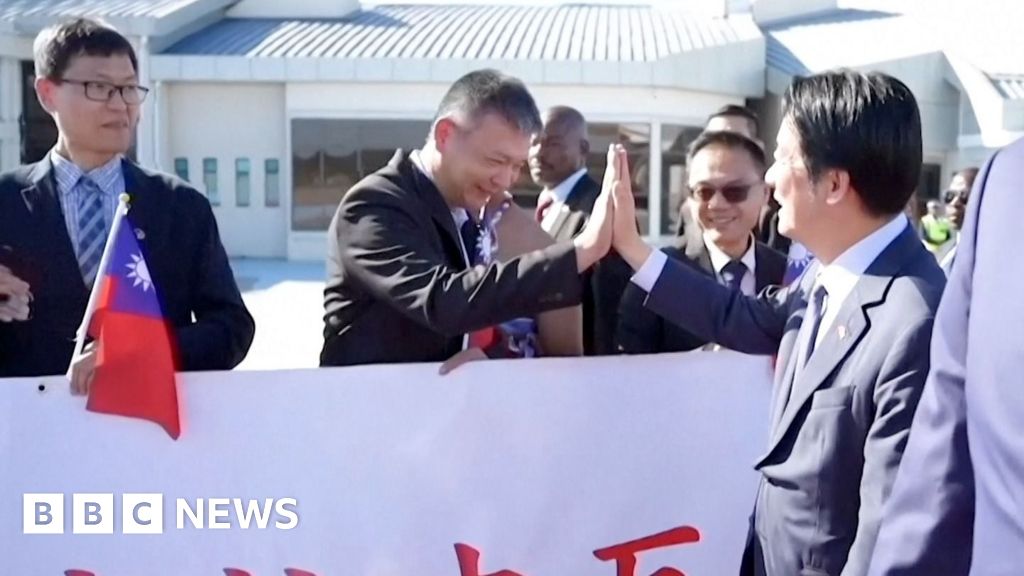
The journey to Eswatini, which welcomed the Taiwanese delegation, was reportedly achieved after careful coordination involving the nation’s diplomatic and national security apparatus. The visit was framed by Taiwan’s leadership as a display of unwavering commitment to its international standing, irrespective of external interference. The delegation engaged in high-level activities, including talks with Eswatini’s monarch and negotiations on trade matters, signaling a focus on solidifying deeper cooperative bonds.
What This Means:
The circumstances surrounding this trip reveal a clear pattern of international maneuvering. While Taiwan emphasizes its inherent right to engage globally and foster relationships, the actions of major powers, particularly China, create considerable hurdles. China views Taiwan as an integral part of its claimed territory, resulting in diplomatic objections to state-to-state engagements. For Taiwan, maintaining such diplomatic ties—especially with nations like Eswatini—is seen not just as a political gesture, but as vital for economic resilience and global recognition.
Background / Context:
The initial plans for the trip were set for a period marking a significant anniversary within Eswatini. However, these arrangements were preemptively disrupted when Taiwan indicated that multiple countries had revoked necessary clearances for the presidential aircraft to fly over their national airways. According to reports, these revocations were attributed to pressure exerted by China on the respective states. This incident framed the ensuing travel to Eswatini as a determined effort to proceed with core diplomatic goals despite significant geopolitical headwinds.
Taiwan’s government has consistently highlighted the importance of bilateral partnerships for its global stature. By concentrating efforts on enhancing economic, educational, and cultural exchanges within established allied nations, the government aims to prove its viability and commitment to international cooperation. This strategy underscores the necessity of multilateral engagement to counterbalance restrictive international pressures.
About the Author