Southern Lebanon Sees High Casualties Amid Renewed Escalation
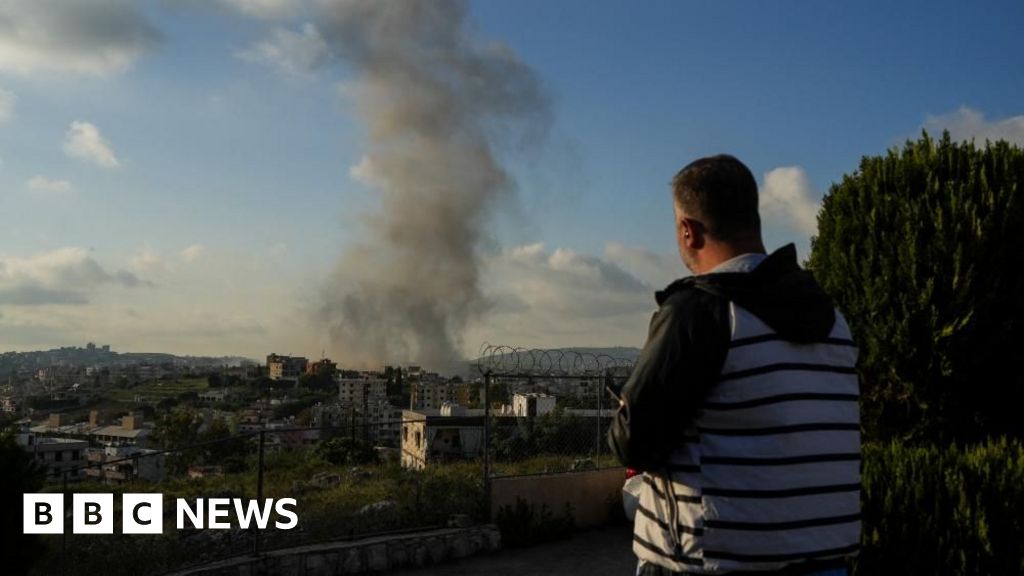
Reports from the region indicate a significant escalation of violence in southern Lebanon, resulting in numerous civilian casualties. Official health ministry accounts confirm that at least thirteen individuals have been killed following Israeli air strikes across various areas in the south. The reported fatalities included multiple women and at least one child, highlighting the impact on civilian populations in the zone of conflict.
The violence was not confined to a single locality. Specific areas mentioned in the casualty reports include Haboush in the Nabatieh district, where an evacuation order had been previously issued by Israeli forces. Additionally, losses were recorded in Zrarieh within the Sidon district, and another fatality occurred in Ain Baal in the Tyre district, contributing to the overall toll. Beyond the fatalities, the latest reports indicate that a substantial number of people, totaling thirty-two, sustained injuries during the fighting that took place on Friday.
These clashes are continuing despite the existence of a recently extended, though tenuous, ceasefire arrangement. Tensions remain high, with active combat reported between Israeli forces and Hezbollah. Furthermore, the cycle of hostilities appears to be broadening, as other militant groups have also been reported to have targeted Israeli military assets within Lebanon on subsequent days.
Significance of the Ongoing Conflict
The sustained combat operations and high civilian cost underscore the fragility of the current security situation in southern Lebanon. The persistent fighting threatens to undermine any diplomatic efforts aimed at stabilizing the area. The flow of violence suggests a complex power struggle in the region, where military actions continue to supersede diplomatic agreements or ceasefires.
The involvement of various regional actors, including proxy groups, adds layers of complication to the conflict’s dynamics. When skirmishes flare up, they draw attention away from structured peace negotiations, raising concerns about the stability of the wider geopolitical landscape.
Context of International Involvement and Diplomacy
Internationally, there have been notable diplomatic efforts aimed at de-escalation. At one point, initial discussions facilitated a temporary cessation of hostilities. Furthermore, high-level meetings have taken place involving military leadership from regional and international powers. These discussions have notably focused on bolstering the capabilities and role of the local Lebanese military apparatus amid the tense standoff. These diplomatic engagements underscore a global interest in preventing a wider regional conflagration.
The involvement of international representatives in discussions regarding ceasefires and military support suggests that the conflict remains a point of significant international concern. The emphasis during these meetings has been placed on the necessity of support structures to help maintain a degree of equilibrium while the underlying tensions remain unresolved.
About the Author