Reviewing Ethical Practices: Tasmanian Authorities Address Historical Misuse of Autopsy Specimens
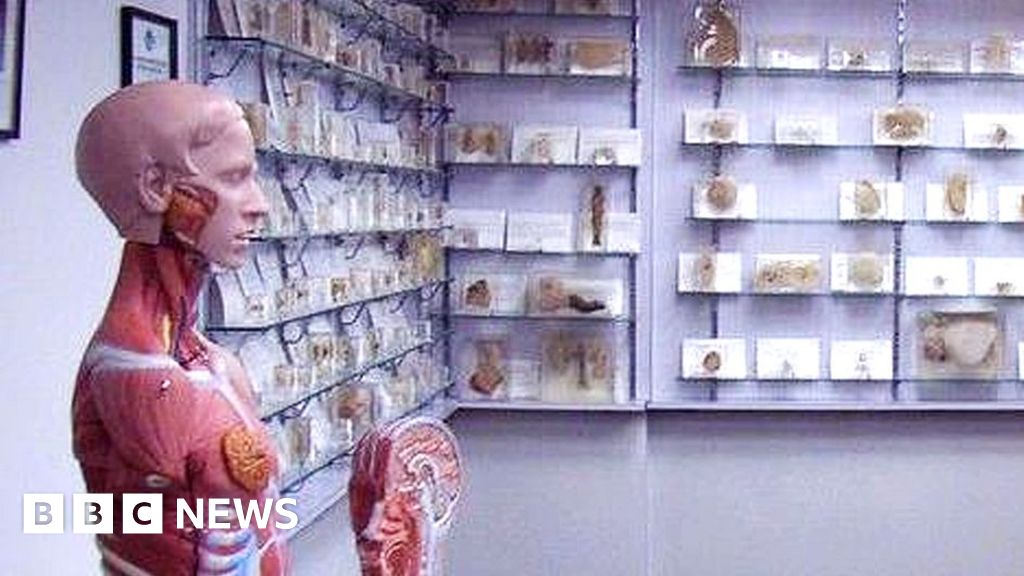
A significant reckoning has occurred within Tasmanian health and medical institutions following revelations concerning the historical handling of human remains. Investigations have uncovered instances where anatomical specimens collected during autopsies were retained, sometimes displayed, and passed to academic museums decades ago without the explicit knowledge or consent of the individuals’ surviving families. This pattern of practice, spanning several decades, highlights profound breaches of trust regarding the respectful management of the deceased.
The acknowledgment of this past misconduct prompted formal apologies from state health officials. These statements addressed the deep, lingering emotional impact—including trauma, anger, and grief—that the revelation has caused to the families involved. While official pronouncements have been made regarding the historical lapses in procedure, the experience has underscored the enduring sensitivity surrounding the respectful treatment of human remains.
The Scope of the Ethical Lapses
The core of the issue centers on the unauthorized removal and retention of tissues and specimens. Evidence suggests that medical personnel at the time systematically gathered a substantial number of human biological materials following procedures performed between the late 1960s and the early 1990s. These materials were subsequently transferred to university collections. Critically, this process occurred without obtaining the necessary permissions from either the surviving relatives or the official bodies overseeing the bodies.
Personal Impact and Calls for Accountability
For the families affected, the realization of this decades-old exploitation has been deeply distressing. Personal testimonies shared in the public domain detail the profound shock of learning years after a loss that remains within a loved one’s body parts were part of a scientific collection. These accounts illustrate that the violation was not simply a procedural error concerning academic materials; rather, it represented a violation of fundamental human dignity.
Significance for Modern Medical Ethics
This historical situation serves as a major pivot point for medical ethics and governance in the state. The revelations necessitate a rigorous re-examination of consent protocols across all medical procedures involving human remains. The focus is shifting toward establishing far stricter, transparent guidelines ensuring that every step of the autopsy and specimen handling process is underpinned by explicit, documented, and informed consent from the appropriate legal parties. The goal moving forward is to build a system where respect for the deceased and their families is the paramount consideration in all scientific endeavors.
About the Author