Texas Park Incident Highlights Deep Concerns Over Immigration Status and Public Safety
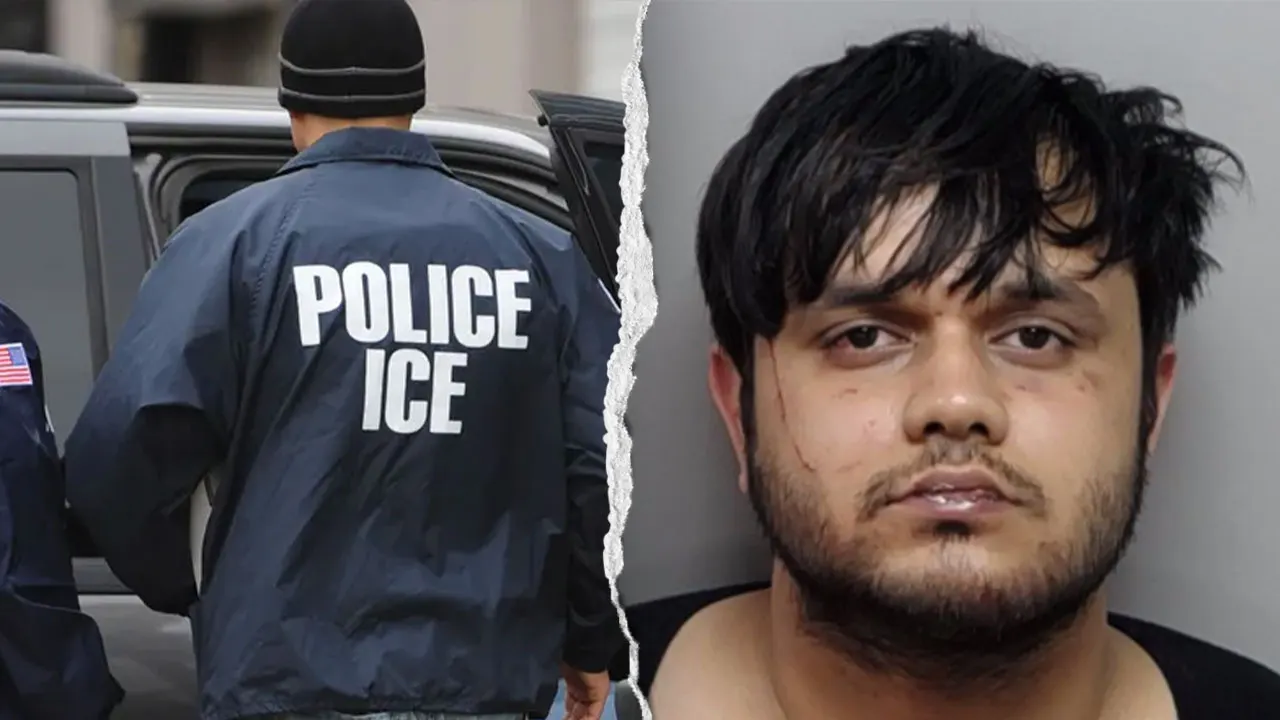
A disturbing incident occurred at a Texas park where a young child allegedly suffered a physical assault from an individual who was reportedly undocumented. The events drew immediate attention from law enforcement agencies, leading to the arrest of the suspect. Following the capture, federal immigration authorities took action by lodging a detainer against the individual, signaling potential immediate removal proceedings.
According to initial reports from local authorities, the confrontation unfolded while a mother and her young daughter were out at the park. The sequence of events reportedly involved the suspect attacking the mother first, which subsequently led to an assault on the child, including biting. The seriousness of the reported attack prompted witnesses present at the scene to intervene and restrain the assailant until professional officers arrived.
This specific incident has brought to the forefront ongoing public discussions regarding immigration enforcement and the vetting of individuals within the country. Concerns have been raised by authorities regarding the suspect’s previous history, noting prior arrests for alleged criminal activities even after establishing entry into the United States.
What This Means: Enforcement and Accountability
The actions taken by federal agencies following the arrest—specifically, the filing of a detainer—underscore the focus on ensuring that individuals lacking proper legal status are held accountable to immigration laws. For the community, the incident raises significant questions about public safety protocols and the vetting processes associated with transient populations. The combination of a violent crime and questions about the perpetrator’s legal residency has ignited a complex debate about how local and federal systems manage security when citizenship or legal status is in question.
Background Context: Prior Legal Issues
Information regarding the suspect’s presence in the country revealed a pattern of involvement with legal issues. Reports indicated that the individual had entered the nation under specific visa parameters at an earlier date. Despite this initial entry and subsequent arrests related to alleged misconduct, the individual had not been removed from the country at that time. This history adds a layer of complexity to the current situation, suggesting ongoing scrutiny regarding compliance with immigration regulations following initial detentions.
For the family affected, the immediate aftermath has involved visible impacts, with accounts detailing the physical injuries sustained by the child, requiring ongoing care and recovery efforts. These events serve as a focal point in the broader, ongoing national dialogue concerning border enforcement, the judicial processes for non-citizens, and the level of protection provided to community members from public threats.
About the Author