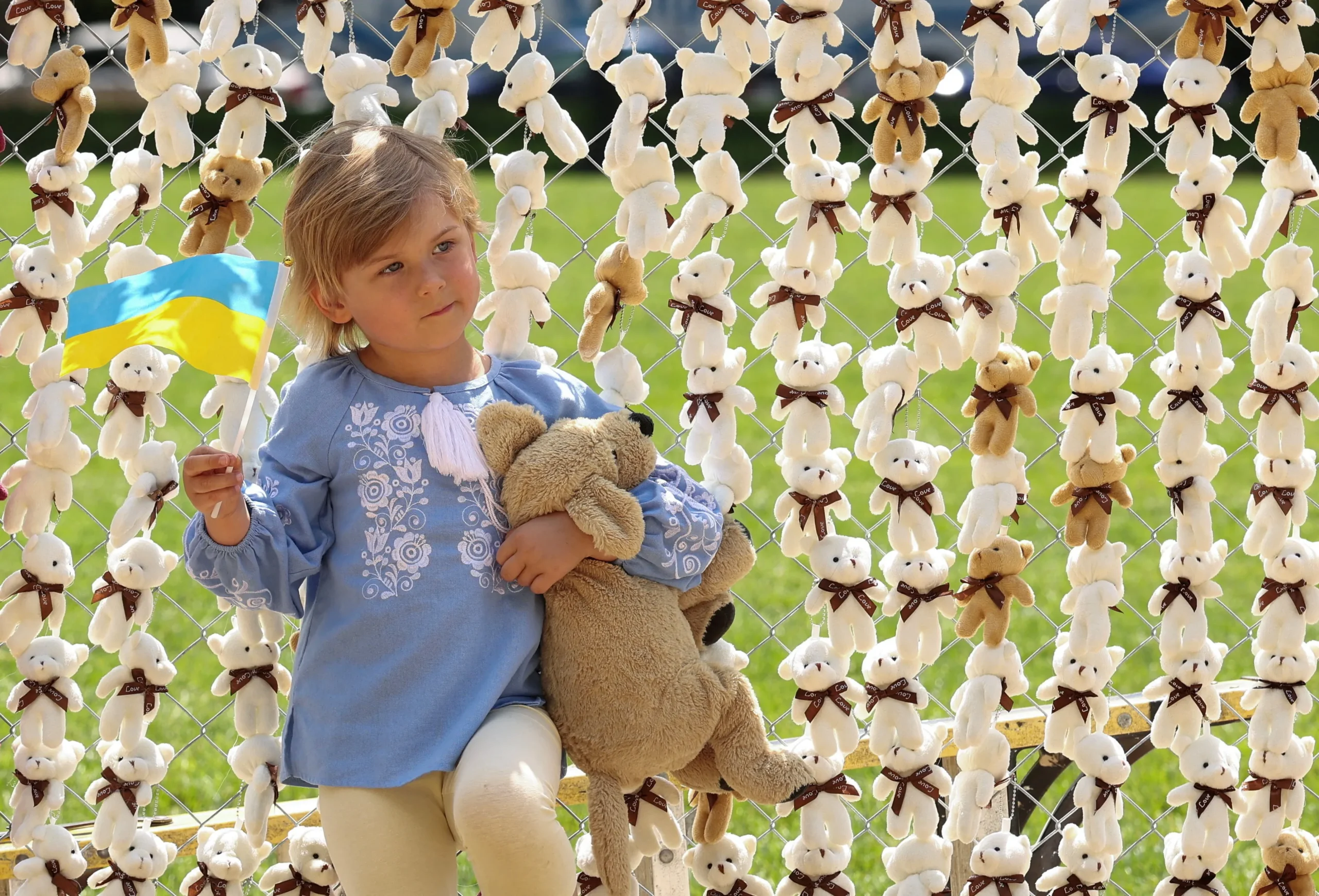
The Ongoing Crisis of Forced Displacement
Over the span of several years since the full-scale invasion, a profound humanitarian crisis has emerged concerning thousands of Ukrainian children. These minors have been subjected to forcible transfers by occupying forces, actions that international legal bodies have deemed unlawful. The issue moves beyond mere separation; it represents a systematic deprivation of rights, transforming the well-being of these children into a tool for political leverage against the nation.
Initial separations occurred in the early, chaotic phases of the conflict when local authorities were overwhelmed and controlled by occupying military structures. While the detaining powers have disputed the narrative, asserting that these movements were protective humanitarian measures, international investigation has consistently documented evidence showing otherwise. These documented transfers frequently occurred without the necessary consent from the child’s legal guardians, violating established international laws governing protected persons in conflict zones.
Understanding International Legal Violations
International humanitarian law imposes strict limitations on the movement of people from occupied territories. While temporary evacuations can be permissible—and must adhere to specific conditions such as preserving family bonds and ensuring a clear pathway back to normalcy—such actions must be confined within the occupied zone. The enforced relocation of large groups of children, as has been widely documented, fundamentally violates these core protections. Instead of adhering to global legal standards, the process has reportedly been used to undermine the Ukrainian populace, effectively weaponizing childhoods.
Illustrating the Impact: Accounts of Detention and Control
Testimonies from those affected paint a grim picture of institutionalized control. Accounts detail children being housed in facilities where daily life was dictated by the occupying authorities. These settings often involved rigid schedules, compulsory participation in foreign-language education, and sustained physical oversight. Furthermore, mandatory participation in military-style training has been reported, demonstrating an effort to fundamentally alter the children’s trajectory and cultural grounding. These experiences highlight that the goal appears to be more than mere temporary relocation; it suggests an effort at assimilation and control.
Global Efforts for Repatriation and Accountability
Despite the severity of the systematic removals, there remains a persistent, dedicated global effort to reverse this tragedy. Ukrainian families, numerous non-governmental organizations, and governmental bodies have mounted sustained campaigns to secure the safe return of the minors. While some children have been successfully reunited with their families through diligent efforts, the scale of the problem remains vast. International bodies have begun to respond to the gravity of these alleged crimes; notable actions include the issuance of arrest warrants against high-ranking officials involved in the alleged unlawful deportations, signaling a commitment to accountability under international criminal law. The sustained focus remains on ensuring that these children are treated as victims requiring full restoration, rather than political pawns.
About the Author




