Civilian Exodus Underway as Israel Prepares Military Action in Southern Beirut Suburbs
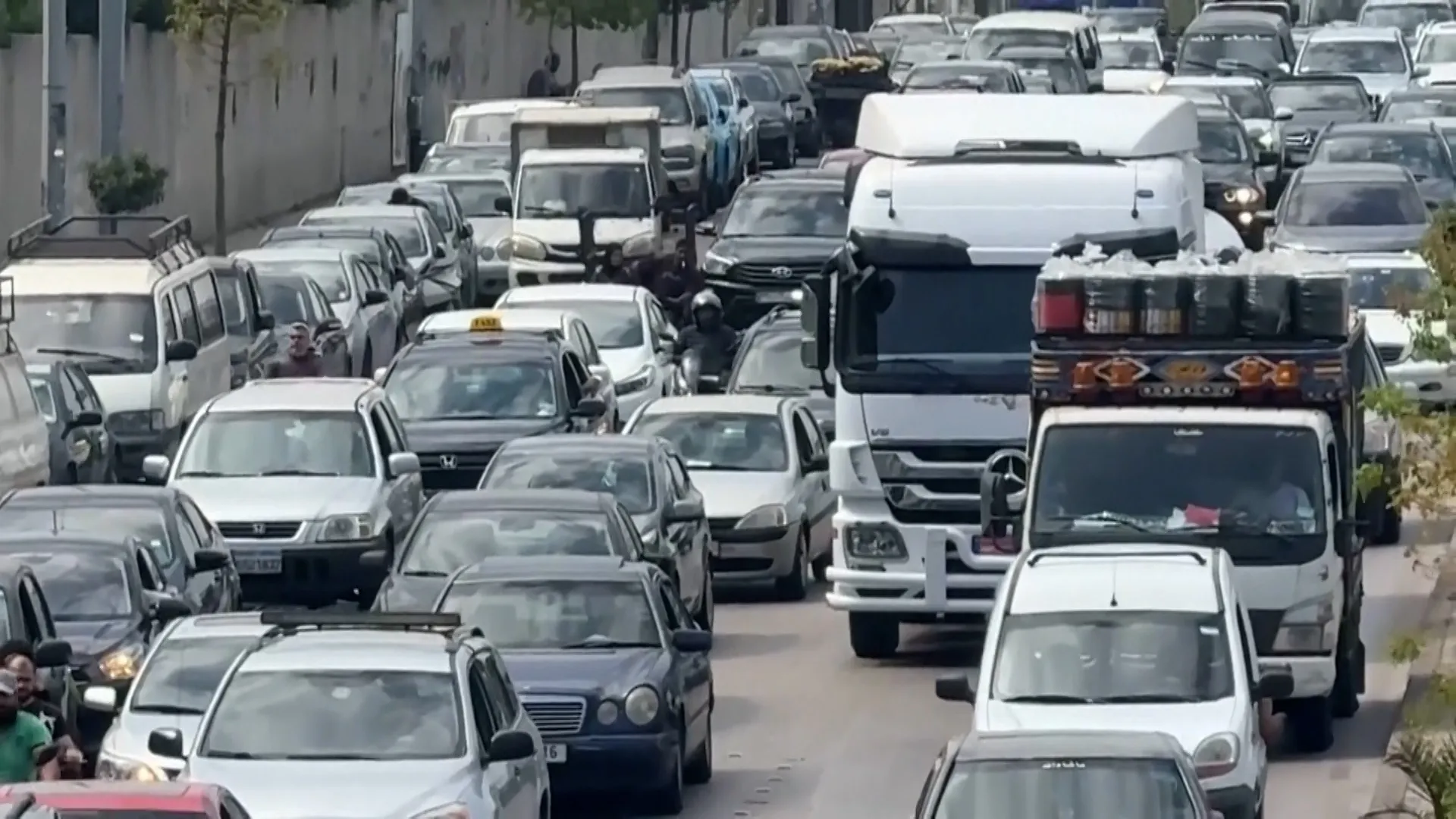
Widespread displacement is currently underway in the southern suburbs of Beirut’s Dahiyeh area. Reports indicate a significant number of local inhabitants are abandoning their homes and communities as Israeli military directives signal impending strikes targeting neighborhoods associated with Hezbollah. The sudden escalation of military posturing has prompted a rapid and visible evacuation effort, overwhelming local thoroughfares with fleeing civilians.
The scene has become one of mass exodus, with vehicles attempting to navigate gridlocked streets as residents prioritize immediate departure. This evacuation underscores the high level of tension and the perceived immediate danger in the area. The unfolding situation suggests that the military actions being planned or initiated are perceived by the local population as an imminent threat requiring urgent departure from their homes.
The Gravity and Implications of the Military Posturing
The implications of Israeli military targeting in this specific region are profound for the Lebanese population. When state forces order strikes against areas historically linked to non-state armed groups, it invariably creates a massive humanitarian challenge. The sheer scale of the evacuation suggests that the threat level has escalated beyond mere tension to one demanding immediate life-saving action for the general populace.
The operational zone targeted by the military action is not merely a military objective; it is a densely populated residential area with deep civilian roots. This confluence of military planning and high civilian density raises serious concerns regarding the potential for collateral damage and the management of large-scale internal displacement.
Context of Regional Instability
The situation reflects a continuation of simmering regional conflicts that have periodically brought the Lebanese capital and its surrounding suburbs to the brink of crisis. Historically, this area has been a flashpoint for regional geopolitical tensions. Military escalations in this zone typically draw international concern due to the high concentration of civilian life situated near military flashpoints.
Observers have noted that such events repeatedly destabilize the region, forcing local governance structures and international aid networks to rapidly pivot into crisis management mode. The continuous state of readiness and subsequent evacuations paint a picture of prolonged, underlying instability rather than isolated incidents.
Understanding the Humanitarian Dimension
From a humanitarian perspective, the priority remains ensuring the safe passage of non-combatants. The logistics of moving tens of thousands of people from an urban environment under threat are immense. Reports focusing on the movement of people, rather than the military details, highlight the overwhelming strain placed on the local infrastructure—healthcare facilities, supply routes, and temporary shelter capacity—as the community attempts to cope with sudden upheaval.
Ultimately, the evacuation is a direct, immediate response to a declared military intention, forcing a temporary halt to normal civilian life in the southern suburbs as residents seek safety away from the projected strike zones.
About the Author