The Intertwined Crisis: How Insurgencies Reshape Stability Across the Lake Chad Region
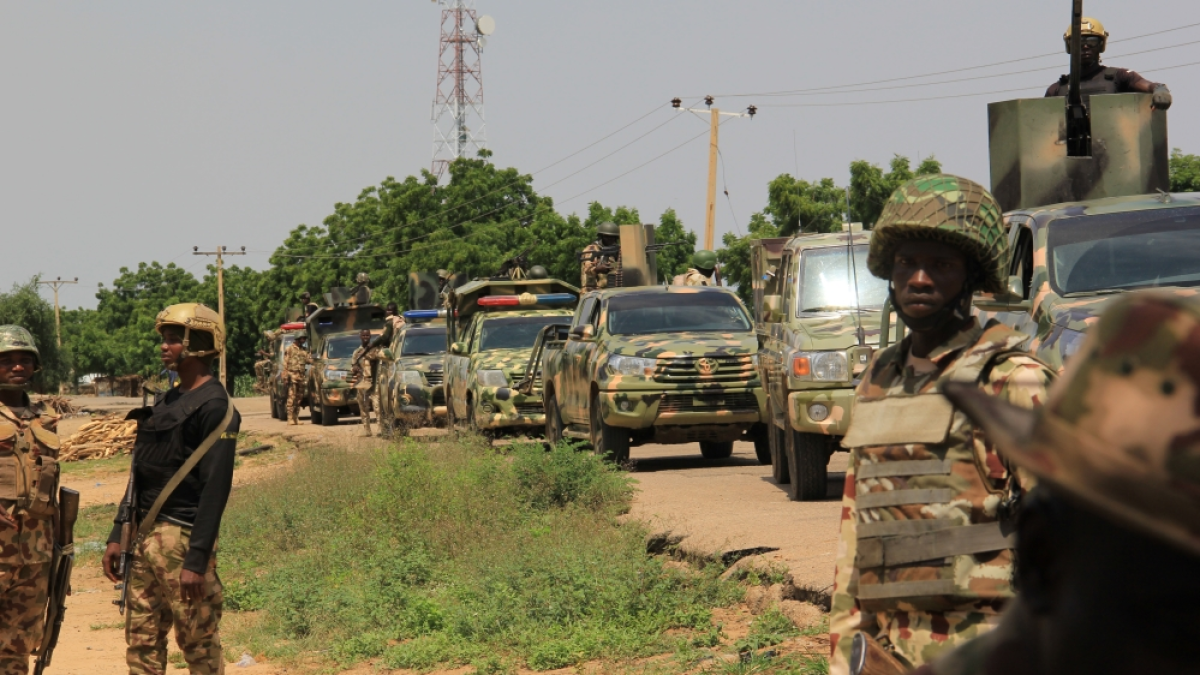
The volatile Lake Chad Basin is experiencing a resurgence of conflict driven by a complex interplay of weak governance, economic distress, and persistent militant activity. While high-profile military actions against major militant figures generate headlines, observers note that the underlying security challenges are deeper and more resilient. The region is currently grappling with the coordinated and often rivalrous actions of major militant factions, notably the Islamic State West Africa Province (ISWAP) and Boko Haram. These groups exploit existing societal fractures and regional vulnerabilities to sustain their operations.
What is particularly concerning is the dynamic between these armed factions. Security efforts often focus intensely on one group, which can create a vacuum allowing another to rebuild strength undetected. This ability of militant organizations to exploit the attention paid to a primary rival is a key mechanism fueling the overall escalation of violence. Furthermore, the strategic importance of the region’s resources, particularly the Lake Chad itself, is transforming conflict from purely ideological struggles into high-stakes competitions over economic control, including lucrative trade and resource extraction routes.
These enduring security threats are compounded by significant regional challenges in governance and cooperation. The vast, porous borders shared by nations like Nigeria, Cameroon, Chad, and Niger present systemic weak points. Disparities in military command, logistical constraints, and varying levels of resource allocation among the involved states create operational gaps that armed groups are adept at infiltrating and exploiting.
What This Means: Systemic Vulnerabilities Driving Conflict
The situation suggests that military interventions alone are insufficient to restore lasting stability. The enduring hardship faced by local populations—including livelihood collapse and humanitarian need—creates profound susceptibility. When traditional local authorities are weakened, and economic opportunities vanish, communities become vulnerable to manipulation, coercion, or outright recruitment by militant organizations. This cycle allows extremist groups to embed themselves within local economies and social structures, making containment efforts exceptionally difficult.
Moreover, the operational environment across the wider Sahel influences the Lake Chad Basin. Neighboring instability means that the entire area is subjected to spillover effects. The movement of weapons and militant elements across poorly monitored frontiers ensures that any localized success in one area provides little guarantee of lasting peace in adjacent regions.
Context of Operational Complexity
The difficulty in addressing the conflict lies in its multifaceted nature. Militant groups are not simply confined to combat; they actively seek to exert governance and economic influence. Control over trade corridors and access to resources within the basin represents a tangible source of funding, extending their operational lifespan. Thus, regional efforts must address not only counter-terrorism measures but also profound governance deficits, economic revitalization, and the rebuilding of legitimate civic authority at the community level to truly mitigate the threat posed by these evolving militant forces.
About the Author




