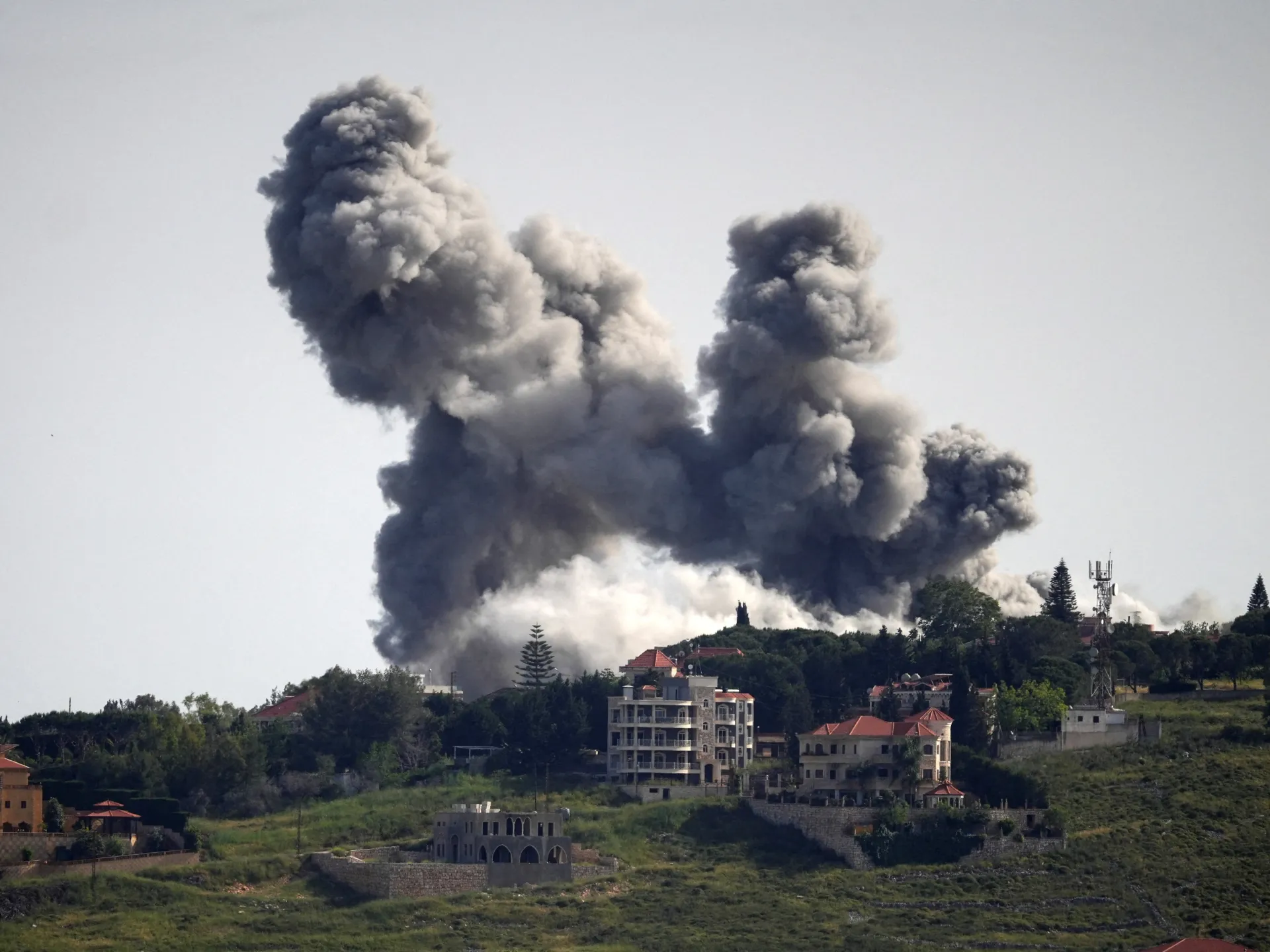
Geopolitical Flashpoints Deepen as Tensions Mount in the Gulf Region
Recent security incidents involving drone strikes across key Gulf nations, notably Saudi Arabia and the United Arab Emirates, underscore a period of heightened instability in the Middle East. These military actions occur against a backdrop of stalled diplomatic efforts, suggesting that immediate de-escalation remains elusive. The sporadic aerial confrontations highlight ongoing friction between regional powers, threatening to destabilize established political balances in the area.
The security concerns emanating from these strikes have drawn international attention to the precarious diplomatic climate. With peace negotiations reportedly at an impasse, military confrontations appear to be becoming a more prominent feature of the regional narrative. This suggests that while dialogue channels remain open in theory, tangible progress toward a resolution is currently hampered by underlying geopolitical rivalries.
What This Means for Regional Stability
The convergence of armed incidents and diplomatic gridlock signals a challenging operational environment for regional stability. When security threats are active—as evidenced by the reported drone impacts—peace talks face immense pressure. The necessity for immediate de-escalation is palpable, as sustained tension increases the risk of wider, more severe regional conflict. Analysts are monitoring whether the parties involved will prioritize diplomatic back channels over asserting military dominance to achieve a lasting settlement.
Furthermore, the involvement of major regional players in these escalating tensions elevates the stakes beyond localized disputes. The combination of external geopolitical pressures and internal rivalries means that any significant diplomatic breakthrough would require a comprehensive, multi-faceted commitment from all involved nations to restore confidence and secure regional trade routes.
Context of Deteriorating Dialogue
The difficulties in achieving peace are not new to the region, but the current confluence of events suggests a critical tipping point. Previous efforts to mediate conflicts have struggled against deep-seated ideological and economic divergences among states. The recent security actions read as direct indicators of mistrust, undermining any momentum built through previous high-level discussions. This ongoing tension forces international bodies and neighboring powers to adopt a more proactive diplomatic stance to prevent the regional situation from spiraling further.
Ultimately, the situation demands a strategic shift in focus. While military incidents receive immediate media coverage, the true resolution will depend on concerted efforts to re-establish viable, trusted communication channels between the primary stakeholders, moving the dialogue from one of threat management to one of shared long-term economic and security vision.
About the Author