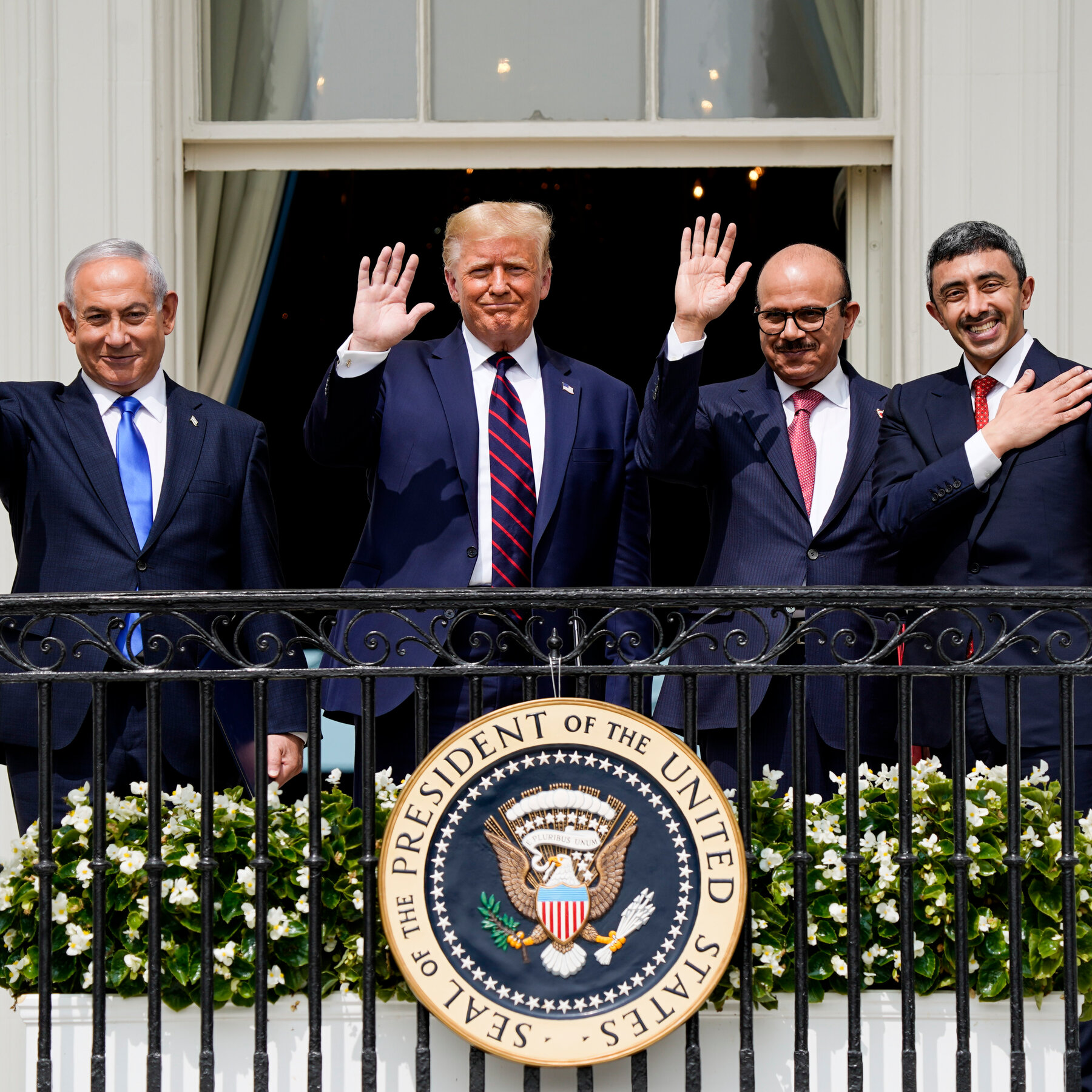
Geopolitical Ripples: Examining the Prospects and Challenges of Expanding the Abraham Accords
Recent statements suggesting a potential expansion of the frameworks established by the Abraham Accords have drawn significant attention to the intricate dynamics of the Middle East. The core idea proposed—linking broader regional stability and normalization efforts to a comprehensive resolution involving Iran—points toward a major recalibration of existing diplomatic architectures. Such a proposal suggests that future diplomatic success may require multiple nations to align on acknowledging specific relationships as a prerequisite for broader regional de-escalation.
However, seasoned geopolitical observers note that the path to such an expansive diplomatic agreement faces substantial hurdles. While the concept presents a clear vision for enhancing regional connectivity and resolving longstanding conflicts, the practical mechanisms for achieving universal consensus among the involved parties are viewed with considerable skepticism. The complexity of regional political alignments means that any proposed linkage between normalization deals and the resolution of major state-level conflicts will encounter deep-seated opposition.
What This Means: A Test of Regional Consensus
The suggestion essentially proposes a grand bargaining chip: making wider acceptance of certain relationships a necessary condition for deeper, more significant regional peace accords. If successful, this framework could dramatically reshape interstate relations in the area by creating a unified incentive structure for cooperation. It implies a shift from bilateral agreements to a multilateral bloc approach for stability. Conversely, the current level of skepticism among analysts highlights that powerful regional actors often prioritize their immediate strategic interests, making the commitment to a unified, externally dictated package highly unlikely in the short term.
Background and Context: The Diplomatic Landscape
The Abraham Accords initially marked a pivotal shift in the geopolitical landscape by normalizing relations between Israel and several Arab nations. This process demonstrated a tangible pathway for resolving certain disputes through diplomatic means. Expanding this model to encompass an overarching resolution concerning Iran introduces a layer of complexity that goes beyond simple recognition. It connects core issues of security and regional power dynamics with economic and diplomatic normalization. Therefore, any sustained push in this direction must navigate deeply entrenched national narratives and competing regional alliances that have little incentive to participate in a single, large-scale package deal.
About the Author




