The Erosion of Ritual: Gaza’s Struggle to Observe Sacred Islamic Festivals Under Siege
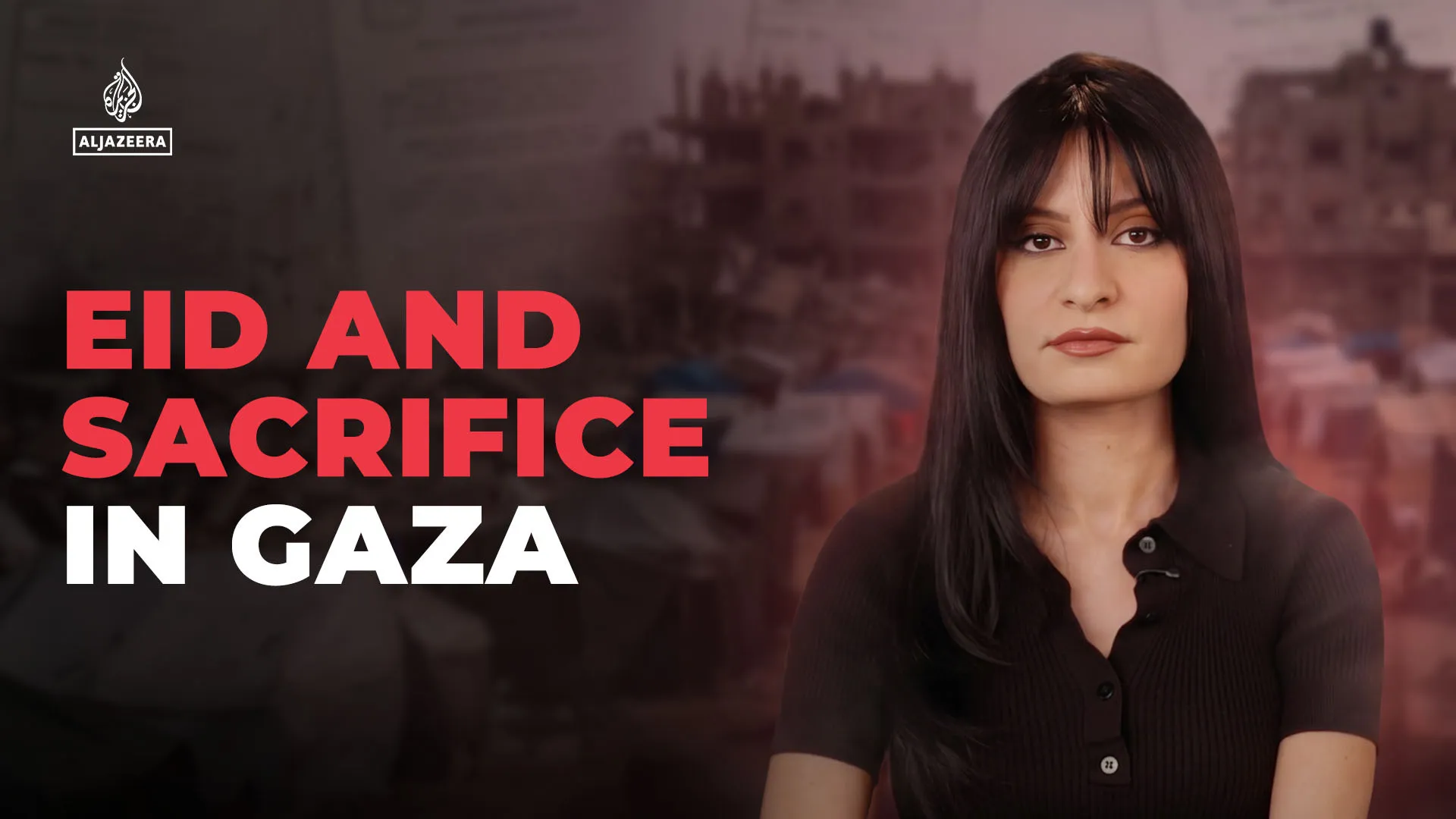
For residents of Gaza, the observance of major religious festivals, such as Eid al-Adha, has become intrinsically linked to the reality of conflict. This year marked a deeply poignant moment, representing the third consecutive year where the sacred rituals, most notably the animal sacrifice central to the Eid celebration, could not be performed. The absence of these traditional rites underscores the profound disruption caused by the ongoing situation in the territory.
These occasions, traditionally vibrant expressions of faith, charity, and community cohesion, have been drastically altered. The ability to conduct the necessary preparations, which involve livestock, community gatherings, and the associated solemn rites of sacrifice, has been systematically compromised. This institutional breakdown affects not only the physical execution of the holiday but also the spiritual continuity for millions who look to these annual events for connection and normalcy.
The cumulative impact of these missed observances speaks volumes about the sustained hardships faced by the civilian population. It illustrates a broader pattern where daily life, anchored by deeply rooted cultural and religious practices, is placed under extreme duress by prolonged instability and conflict.
What This Means: A Measure of Normalcy Lost
The inability to perform the established rituals during significant holidays serves as a poignant indicator of the degree to which normal life has been suspended. Religious observances are more than mere ceremonies; they are vital touchstones for community identity and psychological resilience. When these markers are erased by external forces, the resulting vacuum creates intense emotional and social strain within the population.
Furthermore, the logistical and material realities preventing these rites highlight severe impediments to basic human function. The necessary supply chains for food, commerce, and, critically, agricultural products required for such large-scale communal rituals have been interrupted. This points to a system-wide collapse that affects all aspects of civilian life, from the sacred to the mundane.
Background Context: The Significance of Eid al-Adha
Eid al-Adha is one of Islam’s most significant festivals, commemorating the willingness of Abraham to sacrifice his son as an act of ultimate obedience. The central component, the ritual sacrifice of livestock, is not merely a symbolic act but a core pillar of the celebration, providing meat for communal feasts and charity. This shared act of giving reaffirms social bonds and adherence to religious law.
Historically, these festivals function as moments of collective cultural reaffirmation. They provide structured time for community members to pause, reflect on shared values, and engage in acts of mutual support. When conflict prevents the physical gathering and the completion of these rites, the commemoration of faith becomes an exercise in enduring absence rather than active participation, marking a severe divergence from established cultural life.
About the Author