Survival Unfolds After Complex Cave Rescue in Laos
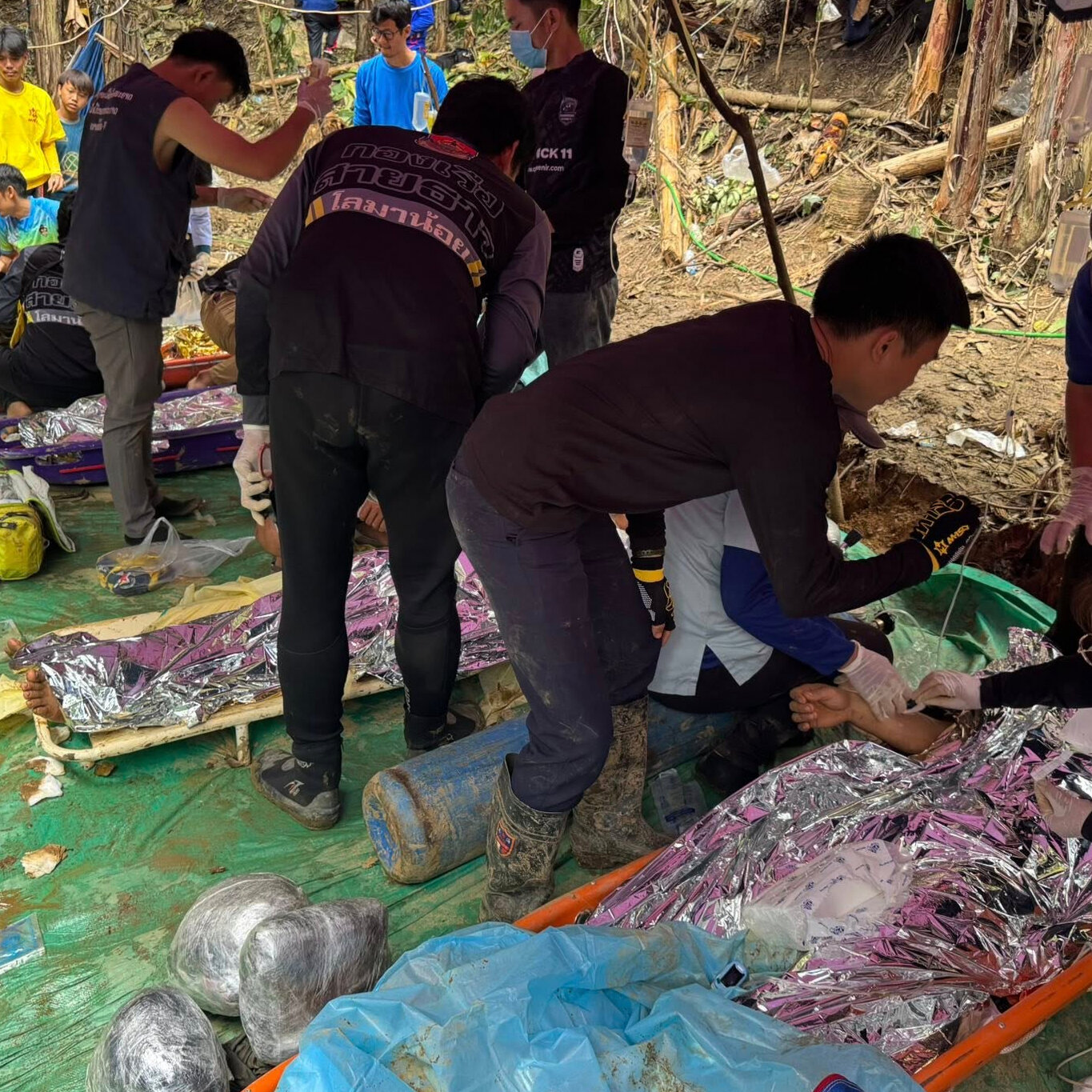
A prolonged and dangerous ordeal within a flooded subterranean system has finally ended, marking a significant moment of relief for the local community. Rescue teams successfully extracted several individuals trapped deep within a cave network in Laos following efforts that spanned more than a week. The rescue operation highlighted the immense challenges faced by emergency personnel attempting to navigate an underwater, confined environment to reach trapped people.
The successful exfiltration of several trapped miners was achieved through sophisticated pumping operations designed to manage the water levels within the cavern. By mitigating the floodwaters, rescuers created enough passage to allow the survivors to crawl toward the surface. While some individuals managed to use specialized diving equipment to initiate their escape earlier in the process, the overall operation required coordinated, strenuous efforts to ensure the safe passage of the group.
The Current Status and Ongoing Concerns
While the immediate drama of the escape has concluded, the situation remains complex, with some individuals still unaccounted for. Official accounts confirm the successful retrieval of multiple trapped persons, but the effort was not without its unknowns. The confirmation of the release of some parties contrasts with the grim reality that a smaller number of the initial group remains missing, leading to continued focus on search efforts and necessary recovery work.
Understanding the Scale of the Operation
The deployment of resources to manage a flooded cave rescue of this magnitude speaks to the extreme difficulty of the environment. Dealing with subterranean flooding requires not only specialized technical diving expertise but also heavy-duty pumping machinery to stabilize the water levels. The entire undertaking demanded the sustained commitment of specialized rescue units working under considerable pressure and dangerous conditions.
Significance for Future Safety Protocols
This intense rescue operation serves as a powerful real-world demonstration of the inherent dangers associated with unmapped or partially flooded underground systems. The logistical hurdles—including maintaining breathable air, managing swift-moving or stagnant water, and navigating unstable passages—underscore the critical need for robust geological surveying and the development of advanced emergency protocols for subterranean emergencies. The success in retrieving the survivors, while tragic, provides invaluable data for improving future response capabilities.
About the Author