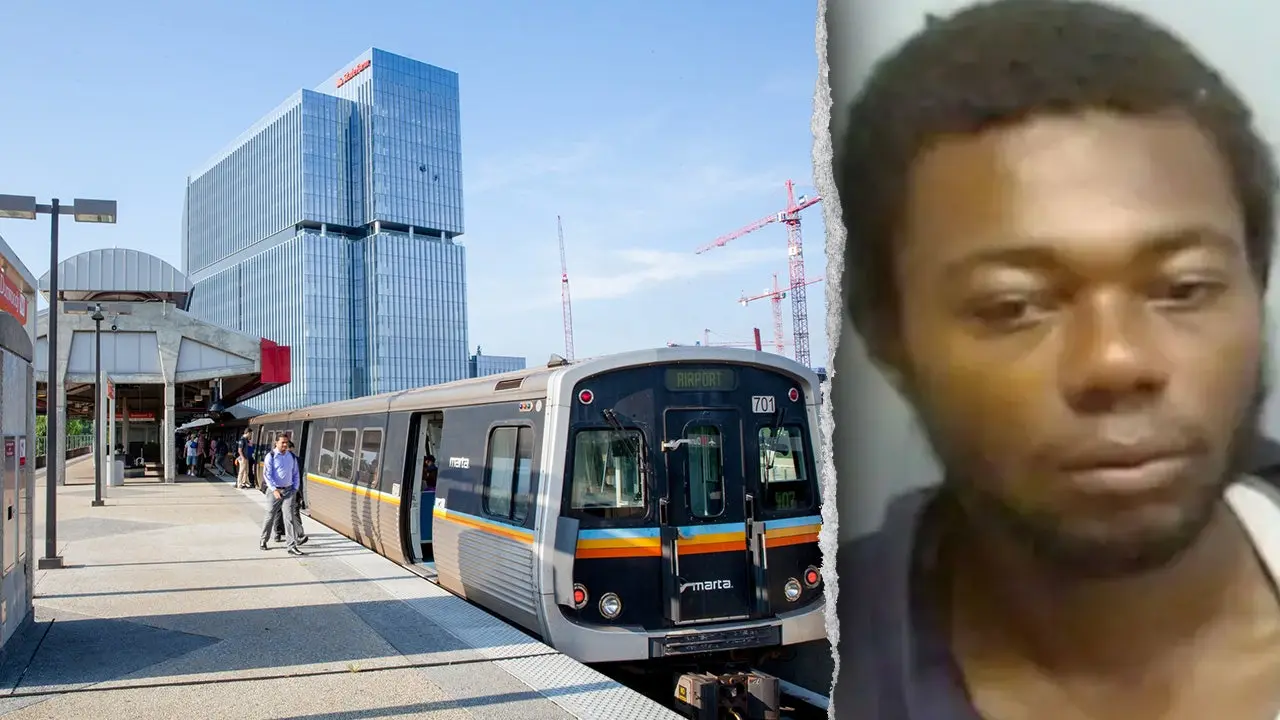
Tragedy on Public Transit: Investigation Unfolds After Fatal Stabbing Incident in Atlanta
A violent confrontation occurred recently on a public transit train within Atlanta, resulting in the death of a 66-year-old woman. The incident, described by authorities as an unprovoked and random act of violence, took place while the train was in transit between two local stations. Initial reports detail a shocking assault that left the victim gravely injured, requiring her to be transported to a medical facility where she later succumbed to her injuries.
Authorities have identified a suspect in connection with the brutal assault, charging him with murder malice. Details surrounding the sequence of events, gathered from recovered video surveillance, suggest the attack was premeditated and targeted. The footage reportedly captured the assailant approaching the seated woman, initiating the assault with a knife, and proceeding to stab her multiple times before law enforcement intervened.
The Immediate Aftermath and Investigation
The swift response of transit police officers was crucial in arresting the suspect at the station platform following the violence onboard. The investigation is continuing to piece together the circumstances leading up to the attack, focusing on the pattern of the assault and the behavior of the individual involved. Officials stressed that such acts of violence are deeply troubling and have prompted an increased focus on public safety within transit systems.
Community Impact and Security Concerns
Such high-profile acts of violence on public transportation naturally raise significant concerns among community members regarding overall safety while using city transit. The incident has spurred discussions about enhancing security measures across local rail and bus networks. Experts and local residents are grappling with feelings of vulnerability, prompting calls for heightened visible security presence and improved emergency response protocols on commuter trains.
Understanding the Context of Transit Safety
Public transit systems are vital arteries for metropolitan life, facilitating the daily movement of thousands of people. However, when such extreme acts of violence occur within these shared spaces, they create an immediate atmosphere of tension and fear. Law enforcement agencies are continually tasked with balancing the need for open, accessible public thoroughfares with the necessity of maintaining robust security measures capable of deterring violence and reacting swiftly when it erupts.
About the Author