Political Gatherings and Religious Expression: Examining the Intersection of Faith and Governance
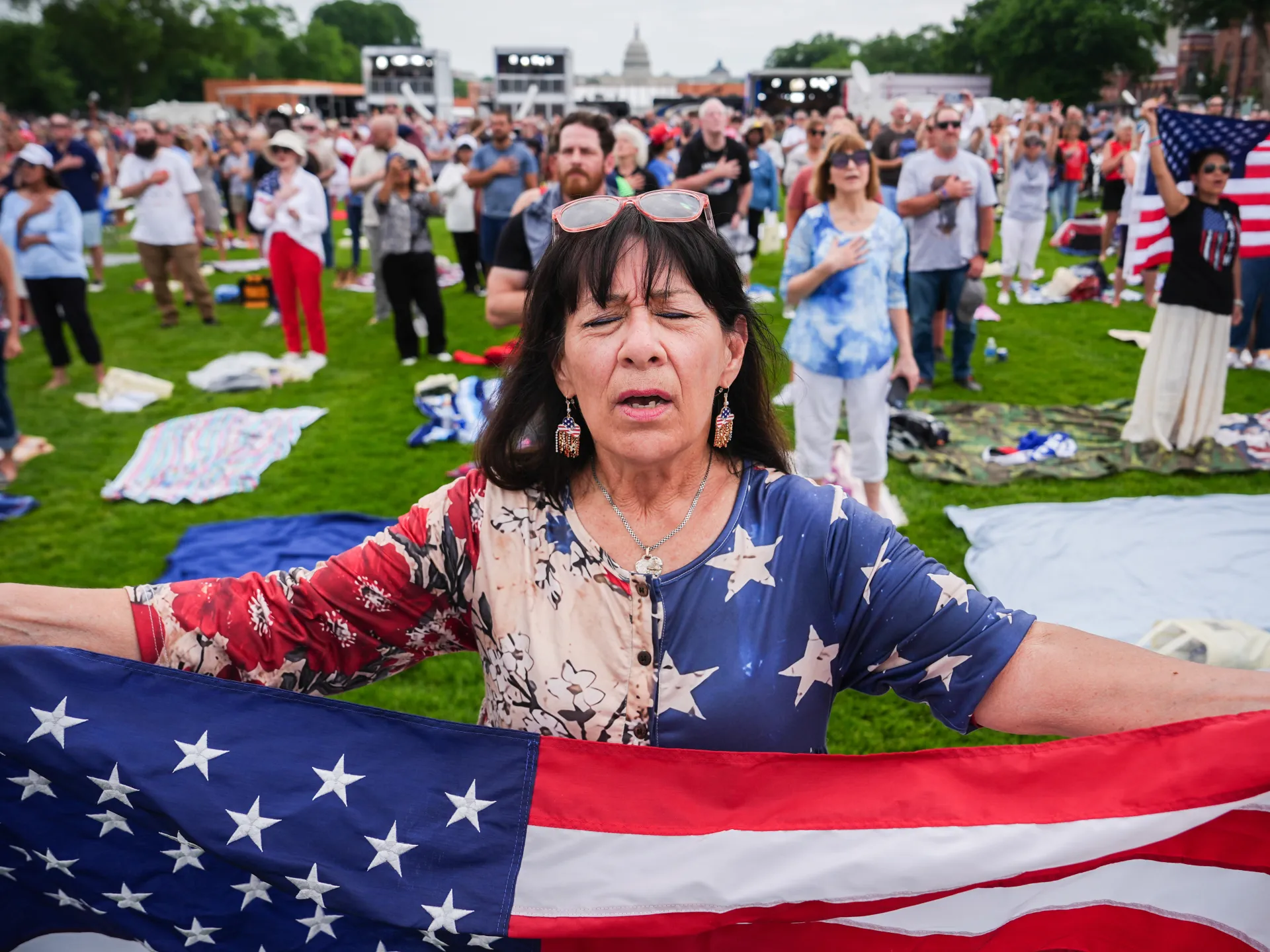
Large-scale political events frequently intersect with expressions of faith, sparking public discourse regarding the appropriate boundaries between state governance and religious practice. When political figures host rallies incorporating spiritual elements, it raises complex questions about the nature of civic expression in a secular democracy. The core debate centers on whether such gatherings genuinely represent broad spiritual appeals or whether they suggest an institutional merger of political goals with specific religious doctrines.
These gatherings often frame their message around unifying national identity under a spiritual mandate. Supporters view these events as an affirmation of foundational American values, arguing that faith and civic duty are inherently intertwined. Conversely, critics contend that the incorporation of religious rhetoric into the political arena crosses constitutional lines. They argue that the separation between government policy and specific belief systems must remain rigidly enforced to protect the rights of all citizens, regardless of their personal faith or lack thereof.
What This Means: Navigating the Separation of Powers
The tension surrounding religiously themed political rallies has significant implications for the legal and social fabric of the nation. At its heart, the discussion concerns the established principle of government neutrality regarding religion. For many legal scholars and civil rights advocates, the Constitution requires that the state treat all faiths—and no faith—equally. When political messaging emphasizes a singular religious framework for national cohesion, it can be perceived as pressuring non-adherents or favoring one belief system over others. This dynamic requires careful legal and societal monitoring to ensure that political unity is achieved through constitutional processes rather than spiritual exclusivity.
Background and Context: Historical Precedents
Historically, the interplay between political passion and religious fervor has been a recurring theme in American history. From early colonial movements to contemporary political organizing, appeals to divine providence have served as potent rallying cries. However, the modern constitutional framework builds substantial barriers around this relationship. These safeguards are designed precisely to prevent any single religious viewpoint from becoming the operational standard for lawmaking or public policy. Therefore, analyzing these rallies involves weighing the deeply held belief in divine guidance alongside the rigorous legal framework designed to maintain governmental impartiality.
The controversy surrounding such events underscores a fundamental American debate: where does the right to free religious assembly end, and where does the state’s obligation to remain secularly neutral begin? Public debate continues to shape the understanding of these boundaries, ensuring that the discourse remains robust, challenging, and focused on upholding constitutional separation.
About the Author