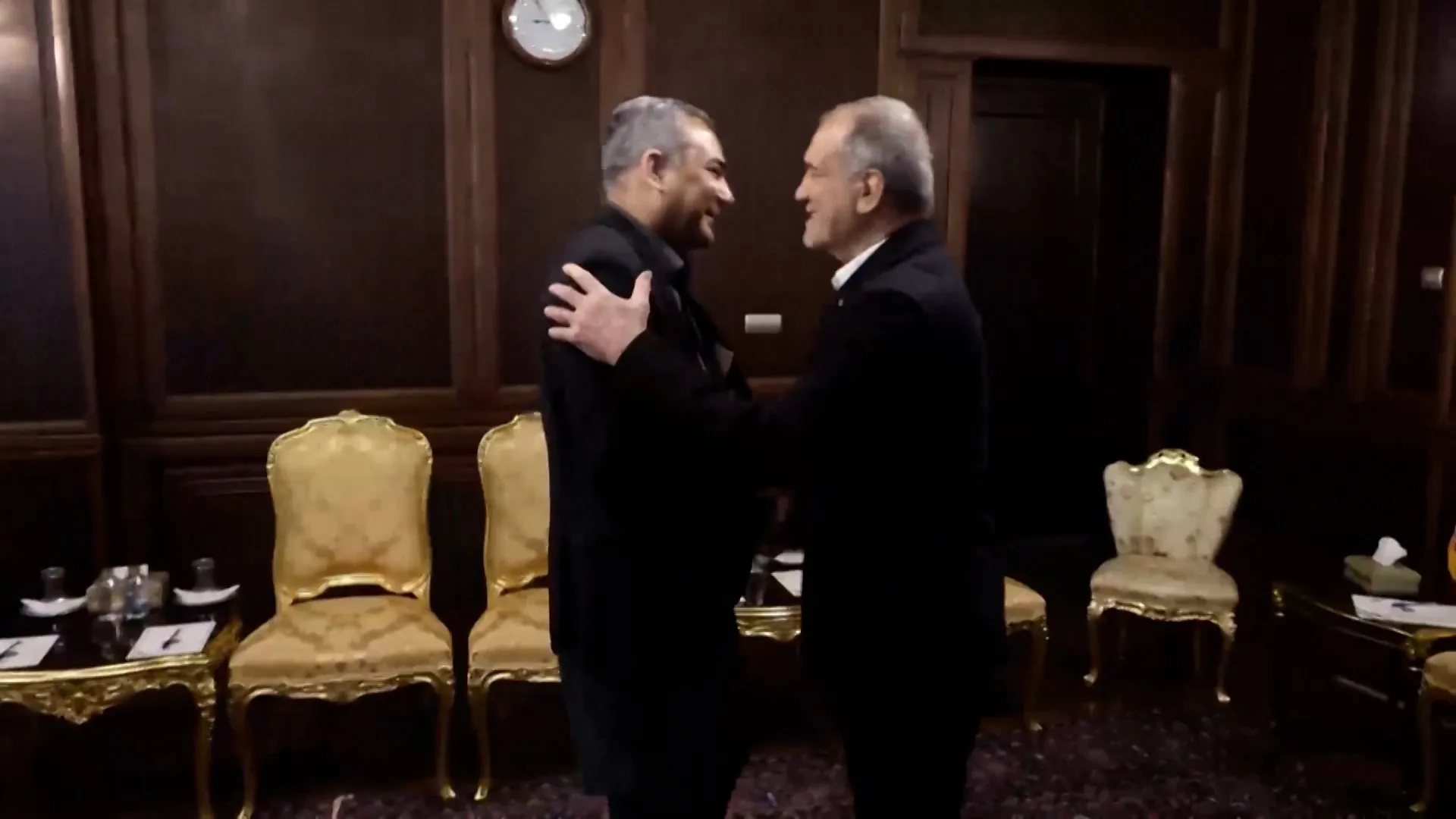
High-level diplomatic engagements are crucial for managing complex regional dynamics. Recently, Pakistan’s Interior Minister engaged in discussions with the President of Iran in Tehran. These talks were structured around bolstering the existing bilateral relationship while addressing the prevailing security challenges impacting the wider area.
The discussions reportedly covered a broad spectrum of cooperation areas, with a significant emphasis placed on regional stability. The meeting took place at a time when diplomatic channels are navigating heightened geopolitical sensitivities, particularly those surrounding international relations in the Middle East.
Significance of the Dialogue
The nature of these discussions signals a continued commitment from both nations to strengthening mutual ties. By meeting to discuss regional security, the dialogue underscores the belief that close Pakistani-Iranian cooperation is vital for maintaining a degree of predictability amid escalating international tensions. Such discussions are key mechanisms for de-escalating potential conflicts and establishing shared pathways for stability.
Furthermore, the meeting reportedly touched upon the difficulties arising from broader regional shifts, notably those concerning the diplomatic maneuvering and tensions emanating from the United States’ influence in the area. These discussions suggest an effort to find common ground and buffer effects against more volatile external pressures.
Understanding the Context
The focus on bilateral ties and regional security places these talks within a larger pattern of diplomatic realignment across South and West Asia. Pakistan and Iran share deep cultural, historical, and economic connections, making regular high-level consultation naturally important for both governments. These periodic summits help solidify political understanding and coordinate responses to shared neighborhood challenges.
Official statements indicate that the conversation went beyond mere goodwill; it engaged with practical issues of mutual security interests. Such dialogues allow leaders to communicate directly, bypassing potentially complicating third-party narratives to focus solely on the bilateral benefit and the shared need for calm in their geographic sphere of influence.
Future Implications for the Region
The momentum generated by such high-level meetings often shapes immediate diplomatic trajectories. By engaging directly on mutual concerns, the parties are effectively reaffirming their strategic partnership at a time when regional flashpoints demand greater coordination. The continuation of these exchanges points toward a sustained effort by both Islamabad and Tehran to manage their shared security environment collaboratively, promoting stability on their immediate borders and beyond.
About the Author




