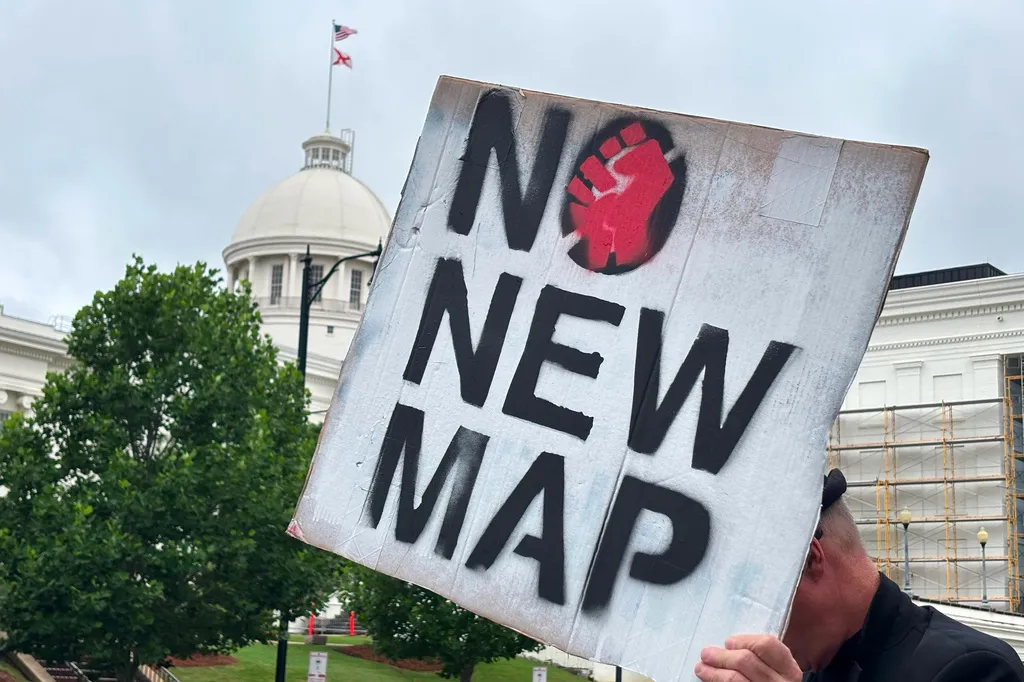
The ongoing effort by various political factions to reshape congressional boundaries across the nation has encountered significant resistance, particularly within several influential Southern states. At the heart of the dispute is the contentious process of drawing electoral maps, a practice that carries deep historical weight concerning voting rights and political representation. Recent actions aimed at implementing new district layouts, intended to bolster the power of one party leading up to crucial midterm contests, have hit immediate legal speed bumps in states like Alabama and South Carolina.
In Alabama, judicial action has halted the passage of a proposed new map that was designed to consolidate power by diminishing the representation of districts with substantial Black populations. A federal panel issued a decision indicating that the proposed plan was compromised by alleged intentional racial bias. Despite these rulings, Republican state officials have signaled their intent to challenge the decision through the highest levels of the judiciary, suggesting the fight over the boundaries is far from over.
Similarly, efforts to overhaul districts in South Carolina faced a surprising coalition resistance. In this instance, members from both major parties united to veto a new map structure that would have significantly impacted a long-serving, influential Black Democratic representative. These localized defeats underscore a complex interplay of judicial oversight, local political resistance, and deep-seated voter concerns regarding fairness and historical disenfranchisement.
What This Means:
The setbacks in the South signal that efforts to redraw congressional maps for partisan gain are proving to be legally and politically arduous. Historically, manipulating these boundaries has been a recognized tactic used to dilute the voting strength of minority populations. The current resistance highlights a heightened level of scrutiny from the courts and sometimes from within the political establishment itself. If such restrictive mapping efforts fail in several key states, it could complicate the anticipated political maneuvering and the ability of parties to guarantee electoral advantages in upcoming elections.
Background / Context:
The mechanism for establishing these congressional districts rests with the individual states, which are responsible both for drawing the maps and for managing the corresponding elections. The stakes are especially high given the political climate, as major parties look to solidify their standing in the national legislature. Legal precedents and court interpretations regarding the constitutional protections against discriminatory gerrymandering remain central to the debate. These legal actions are not merely technical exercises; they represent deep clashes over democratic fairness and the integrity of the electoral process in the American South.
About the Author




