Veteran Naval Officer Appointed Top U.S. Envoy to Africa Amid Policy Realignment
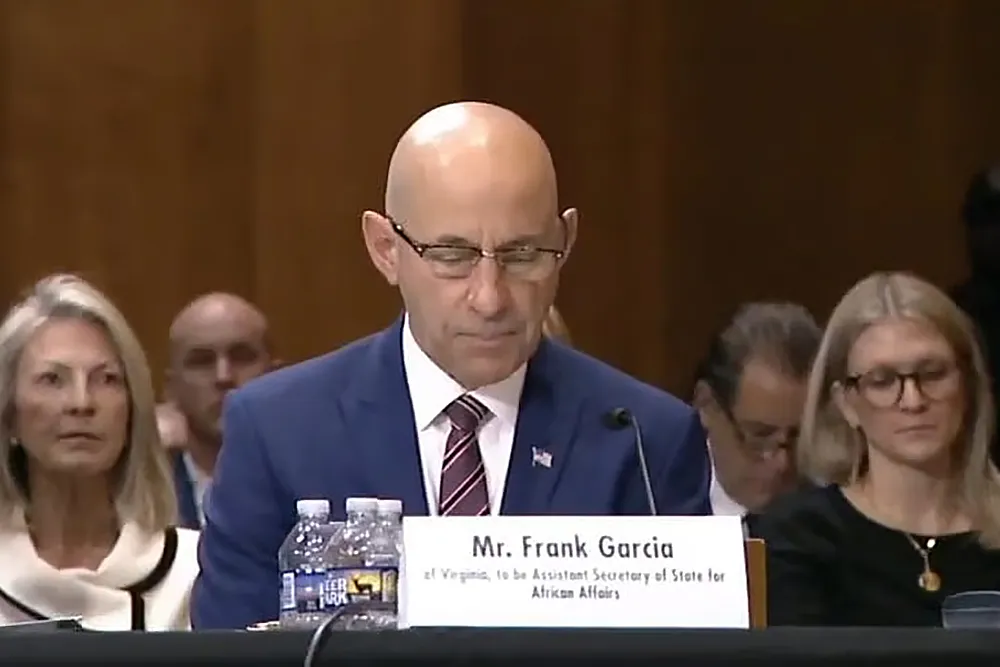
The recent confirmation of a senior military and intelligence figure to lead the State Department’s Africa desk marks a definitive move in U.S. diplomatic strategy toward the continent. This appointment fills a significant, prolonged vacancy in a role responsible for overseeing all of Washington’s foreign relations and policy directives across Africa’s diverse 54 nations. The selection points to an institutional pivot, suggesting a greater emphasis on pragmatic economic engagement over prior approaches to continental diplomacy.
The individual confirmed to the role brings a background steeped in intelligence work and military service, having accrued substantial experience across various federal agencies. This tenure involved multiple engagements with congressional oversight committees, focusing specifically on the continent’s affairs. Officials overseeing the department’s diplomatic posture have noted that the appointment reflects a desire to modernize the approach, moving beyond older models of engagement.
What This Means: A Turn Toward Commerce and Stability
The confirmation suggests a deliberate recalibration of U.S. priorities in Africa. By placing a figure with such a background, the administration signals a pivot away from historical models of development assistance and ideological influence. The expectation accompanying this transition is a more commercially oriented engagement, focusing on strengthening trade corridors, managing geopolitical competition, and fostering stable economic partnerships across the continent.
Analysts suggest that this strategic realigning acknowledges the intensifying global race for influence in Africa. With various global powers vying for access and partnership opportunities, the U.S. government appears intent on sharpening its diplomatic focus to ensure its engagement is perceived as robust, predictable, and economically beneficial to American interests.
Background and Context of the Role
The position itself is one of the most critical diplomatic posts within the department, requiring an expert capable of managing complex relationships with numerous national governments. The continuity of leadership in this office is vital, especially given the heightened level of international attention and strategic competition across Africa. The discussion surrounding the role has highlighted past critiques regarding reliance on aid programs that some observers felt perpetuated dependency or were tied to broader political agendas.
The appointment itself concluded a period of uncertainty regarding leadership in the desk. The new appointee has publicly articulated a view that past policies often carried elements that encouraged division rather than sustainable growth. This underlying sentiment suggests a deep-seated commitment to restructuring the policy apparatus to favor mutually beneficial commercial ties while navigating the complexities of modern African governance.
About the Author