Washington Plans Operation to Clear Ships from Strategic Strait, Warns of Force if Blockade Continues
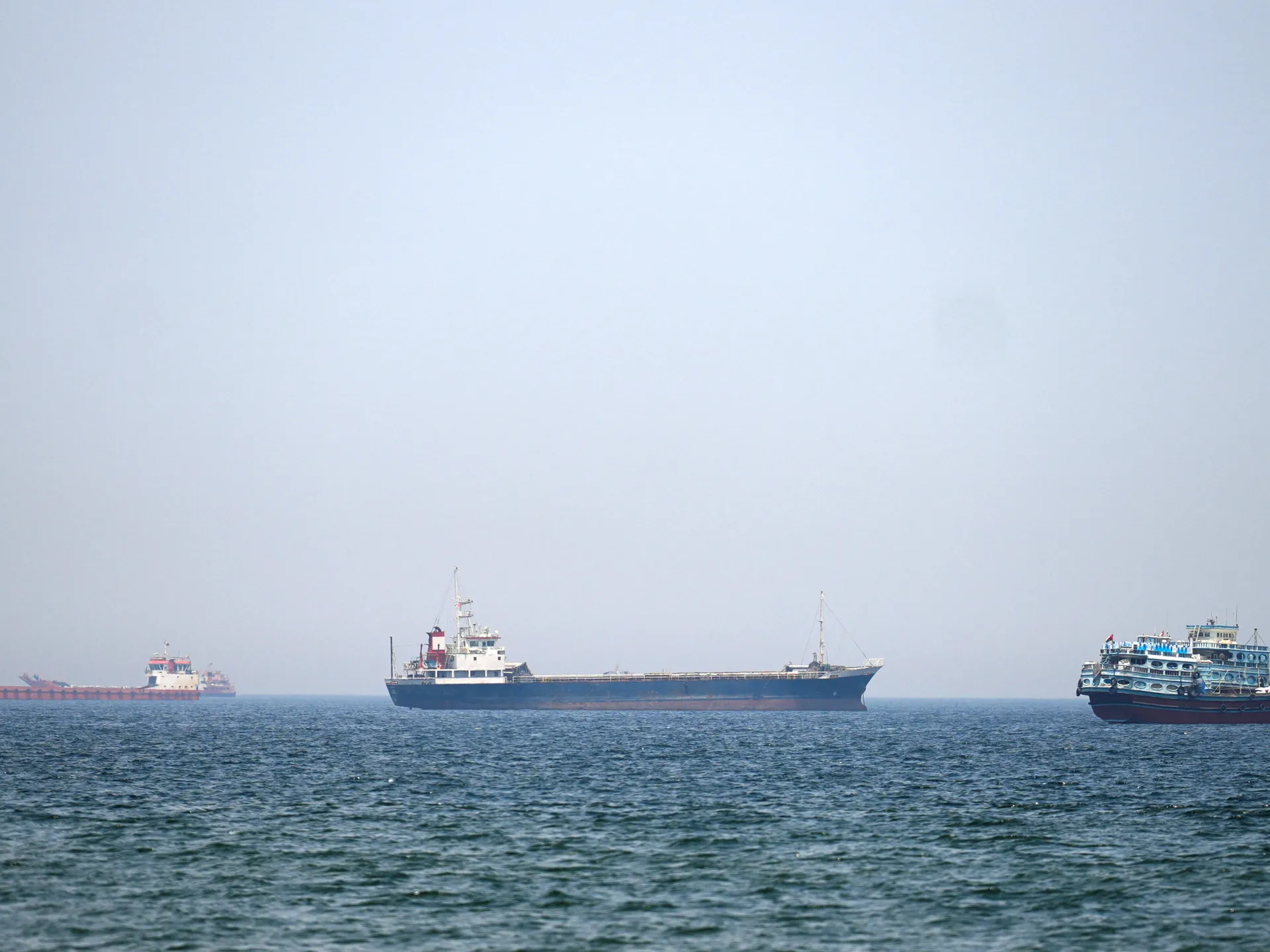
The United States administration has announced plans to undertake a major maritime operation aimed at clearing vessels currently trapped within the Strait of Hormuz. This initiative, branded as a humanitarian effort, is scheduled to commence on Monday, signaling a potential push to alleviate what the administration characterizes as an ongoing blockade within this critical global waterway.
Speaking to the necessity of the operation, officials indicated that the primary objective is to ensure the safe passage and removal of ships and their crews. The administration framed the intervention as a gesture of goodwill, citing concerns over the provisions and well-being of the personnel onboard vessels that have been detained or unable to maneuver freely within the narrow strait.
The Significance of the Planned Maritime Action
The potential operation carries significant geopolitical weight, as the Strait of Hormuz is one of the world’s most vital chokepoints for global energy transport. Any disruption or change in traffic flow through this passage immediately impacts international trade, energy markets, and supply chains worldwide.
The announcement signals a firm stance from the U.S. regarding maritime freedom. The administration made it clear that this endeavor is non-negotiable, warning that any obstruction or interference with the planned movement of ships would be met with a forceful response. This public warning elevates the action from a mere rescue mission to a statement of strategic intent regarding international navigation rights.
Context and Implications for Global Commerce
The Strait of Hormuz is crucial because it serves as a primary conduit for the oil and liquefied natural gas exports from the Persian Gulf region. Because so much of the world’s liquid energy passes through this narrow passage, any perceived threat to its unimpeded flow raises immediate alarms among global economies.
According to reports, the concerns cited by the administration regarding the vessels—specifically low supplies of food and necessary resources for crews—underscore the humanitarian angle the plan is being presented with. However, the underlying message, reinforced by the threat of forceful intervention, suggests a primary focus on restoring established patterns of maritime commerce and guaranteeing open passage for commercial traffic.
Background on Maritime Tensions
Tensions in the Strait of Hormuz have been a recurring source of international concern for years, due to its strategic importance. The waterway is constantly monitored by international naval forces because of its critical role in the global energy matrix. The current announcement indicates a planned escalation of attention to the region, with the stated goal of guaranteeing the free movement of commercial and civilian vessels against any opposition.
About the Author