Trump Asserts Diplomatic Immunity from Congressional Oversight Amidst Iran Ceasefire Discussions
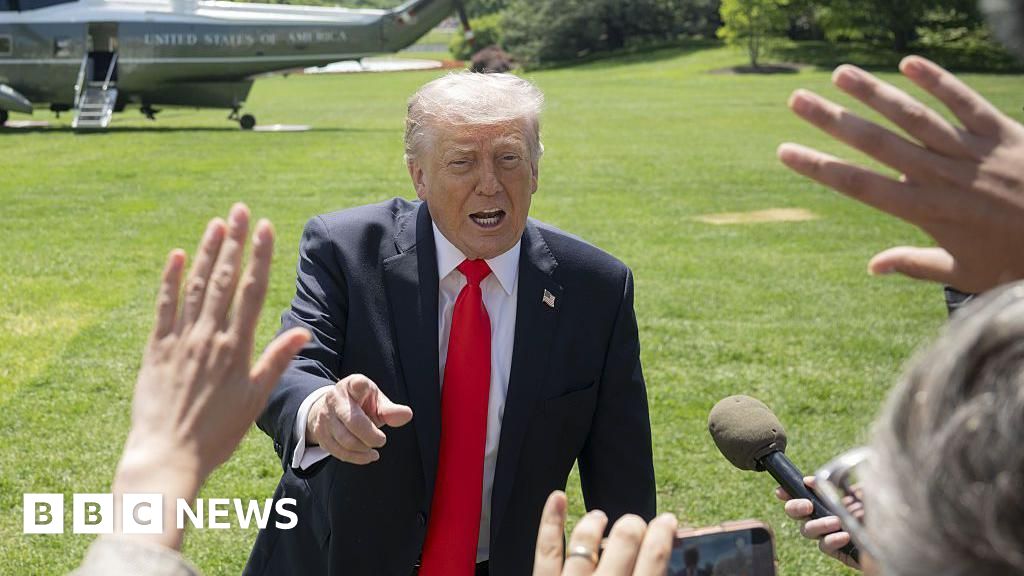
Former President Donald Trump has asserted to Congress that a recent agreement to halt hostilities with Iran nullifies the need for formal legislative authorization regarding any ongoing military actions. The core of his assertion rests on the fact that a ceasefire arrangement has paused the timeline that would otherwise require the executive branch to seek Congressional approval for continued military engagement. This statement directly challenges the established constitutional framework that mandates such review periods following a declaration of conflict.
Trump communicated this position to congressional leadership, contending that the cessation of direct fighting had functionally put a pause on the legal requirements set forth by Congress. Specifically, he noted that since an exchange of fire had ceased months prior, the active hostilities had effectively concluded. This framing suggests that the diplomatic lull itself provides a shield, making the prior legal deadlines for Congress to pass further measures moot.
What This Means:
The implications of this statement touch upon the separation of powers within the U.S. government. By claiming that a bilateral agreement—even one involving an adversary—suspends Congressional oversight mechanisms, Trump is emphasizing executive prerogative in foreign policy. This signals a significant claim that diplomatic agreements can trump established statutory requirements for military authority. Critics argue that such a stance weakens the checks and balances designed to prevent prolonged military commitment without explicit, renewed Congressional consent.
Background / Context:
The discussions around the cessation of conflict in the region follow a period of heightened tensions and military activity. While the details of any subsequent peace accord remain uncertain, reports indicate that Tehran has put forward potential negotiation proposals, relayed through regional intermediaries. These backchannel efforts suggest a multilateral interest in de-escalation. However, the path to a comprehensive, long-term resolution remains fraught with complexity, contributing to a cautious and sometimes unpredictable diplomatic environment that the former president remains central to.
Strategic Positioning
Furthermore, the former president indicated that reaching a satisfactory agreement has proven difficult, citing internal disarray within the Iranian leadership structure as a complicating factor. His commentary highlighted a perceived divergence in strategic options, ranging from decisive military action to achieving a negotiated settlement. This narrative underscores a highly charged diplomatic backdrop where the former leader positions himself as managing negotiations amidst profound geopolitical instability.
.Rethinking the article to fit the JSON output structure: The final content should be 3 to 5 paragraphs in HTML format. The structure requires an H1 title, 2-3 introductory paragraphs, a
About the Author