NATO Grapples with US Troop Withdrawal Uncertainty as Allies Seek Clarity
Discussions surrounding the level and future commitment of U.S. military forces stationed in Europe have ignited significant concern within the North Atlantic Treaty Organization (NATO). As indications surface of a potential reduction in American troop presence, key European allies are actively engaging with Washington to obtain detailed explanations regarding the rationale and timing of any planned drawdowns.
Germany, specifically, has responded to reports of troop reductions by characterizing the anticipated withdrawal as an event that was predictable. However, German defense leadership simultaneously underscored the enduring strategic value of maintaining a robust American military footing on European soil, asserting that the presence serves mutual interests for both the continent and the United States.
The broader alliance has acknowledged the fluid nature of the situation, with official spokespersons confirming that the alliance structure is currently engaged in detailed discussions with U.S. authorities to fully map out the specifics of the proposed policy shifts. This heightened level of consultation suggests that the alliance regards the situation as a complex operational matter requiring careful navigation.
What This Means: Strategic Implications for European Security
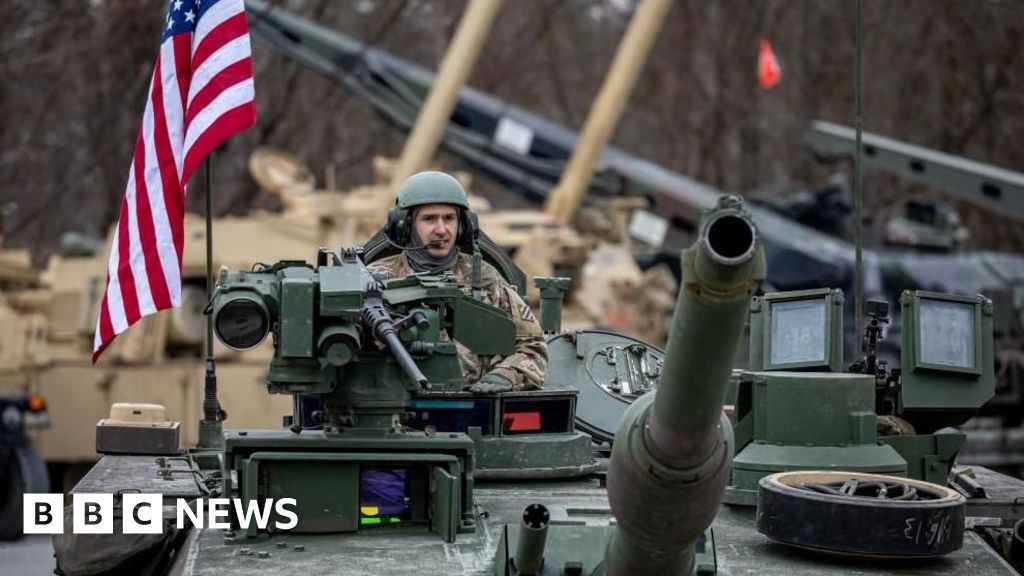
The potential reduction in U.S. combat power within allied nations carries significant weight for the collective security architecture of Europe. The current deployment of U.S. forces in Germany represents the largest American military footprint on the continent, dwarfing similar deployments in other allied nations. Any systematic withdrawal raises immediate questions about the deterrent capacity across the entire alliance structure.
Concerns are growing among member states that fluctuating American commitments could undermine the cohesion and strength of the transatlantic partnership. Several senior political figures within the alliance have publicly warned that the primary danger to the collective security community might stem not from external threats, but from the internal weakening of the alliance itself. This suggests a shift in focus toward maintaining institutional reliability among key members.
Background and Context: Shifting Global Priorities
These discussions gain backdrop against a backdrop of shifting geopolitical focus within the United States. Historically, discussions regarding troop redeployment have been linked to broader strategic calculations, including a potential refocus of American military assets toward the Indo-Pacific region. Such strategic pivots have prompted similar actions, such as previous decisions to scale back deployments in specific areas.
Furthermore, domestic political elements within the United States have weighed in on the matter. Some influential lawmakers have publicly voiced deep apprehension regarding the proposed drawdown of forces from core European nations. Their statements have advocated for the opposite approach—maintaining a substantial and visible deterrent presence across the continent—arguing that such a commitment remains vital for U.S. strategic interests abroad.
About the Author