The Complex Dynamics of Conflict in Northern Mali
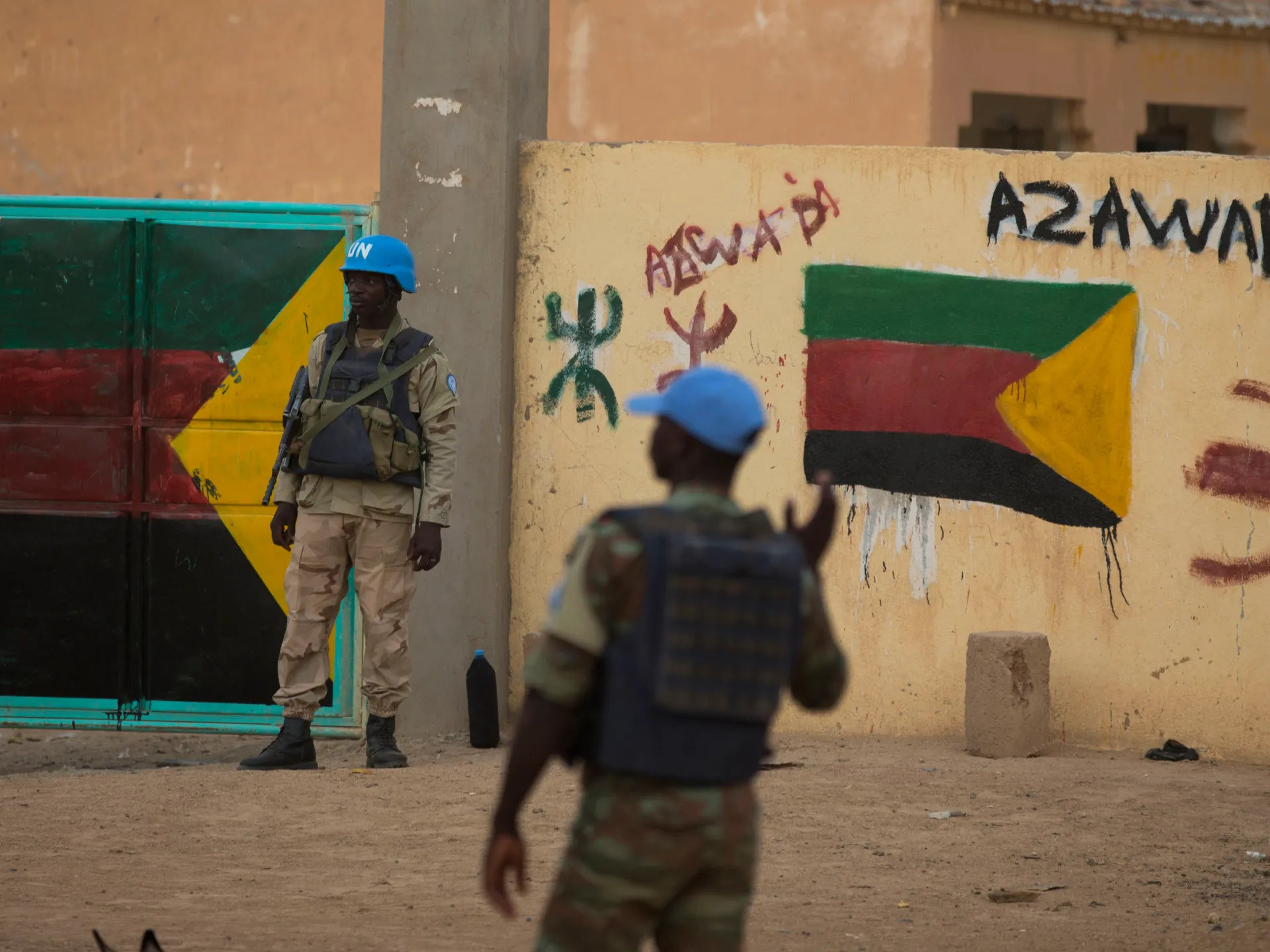
The recent wave of intense fighting across northern Mali has drawn attention to a long-standing struggle for self-determination. This unrest involves multiple armed factions, notably including the Azawad Liberation Front (FLA) and affiliates of militant groups. The fighting has seen coordinated offensives targeting critical infrastructure and security outposts across northern and northeastern areas, indicating a deep and sustained challenge to the central government’s control. The instability has significantly impacted civilian life, with reports of explosions occurring even in major metropolitan areas, underscoring the pervasive nature of the current security crisis.
At the core of the current turmoil is the historical yearning for autonomy within the region known as Azawad. This movement is not a sudden development but rather the culmination of decades of resistance. The identity and political aspirations of the ethnic Tuareg populations, who dominate the northern territories, have historically fostered a distinct cultural and political orientation that often contrasts with the central governance structure based elsewhere in the nation. This deep-seated divergence fuels continuous cycles of rebellion and government military action.
What This Means: The Struggle for Regional Identity
The ongoing conflict illuminates a fundamental challenge of governance in Mali: reconciling a large, diverse population with distinct regional identities. For the groups advocating for Azawad, the push is for self-governance, viewing the northern territories as distinct from the predominantly Bambara-populated central regions. The repeated clashes suggest that previous accords and stabilization efforts have failed to address the underlying political and economic grievances that fuel secessionist sentiment. The escalation suggests that the established channels for negotiation are currently insufficient to guarantee regional peace and stability.
Background and Historical Context
The history of the region reveals recurring patterns of conflict. The initial major flashpoints date back to the early 20th century, intensifying after the departure of former colonial administrators. Following the establishment of the modern state, Tuareg communities began challenging central authority. While periods of ceasefires and negotiations have occurred, the underlying tensions have persisted. Furthermore, environmental stressors, such as prolonged droughts affecting traditional nomadic livelihoods, have historically exacerbated the existing socio-economic strains, fueling popular dissatisfaction and providing fertile ground for armed mobilization.
These historical currents show that the current armed groups are responding to deep structural issues—including resource control, cultural autonomy, and historical neglect—rather than merely reacting to recent events. The instability in northern Mali is thus a complex interplay of militant action, political fragmentation, and unresolved ethnic and regional demands that require solutions extending far beyond immediate security operations.
About the Author