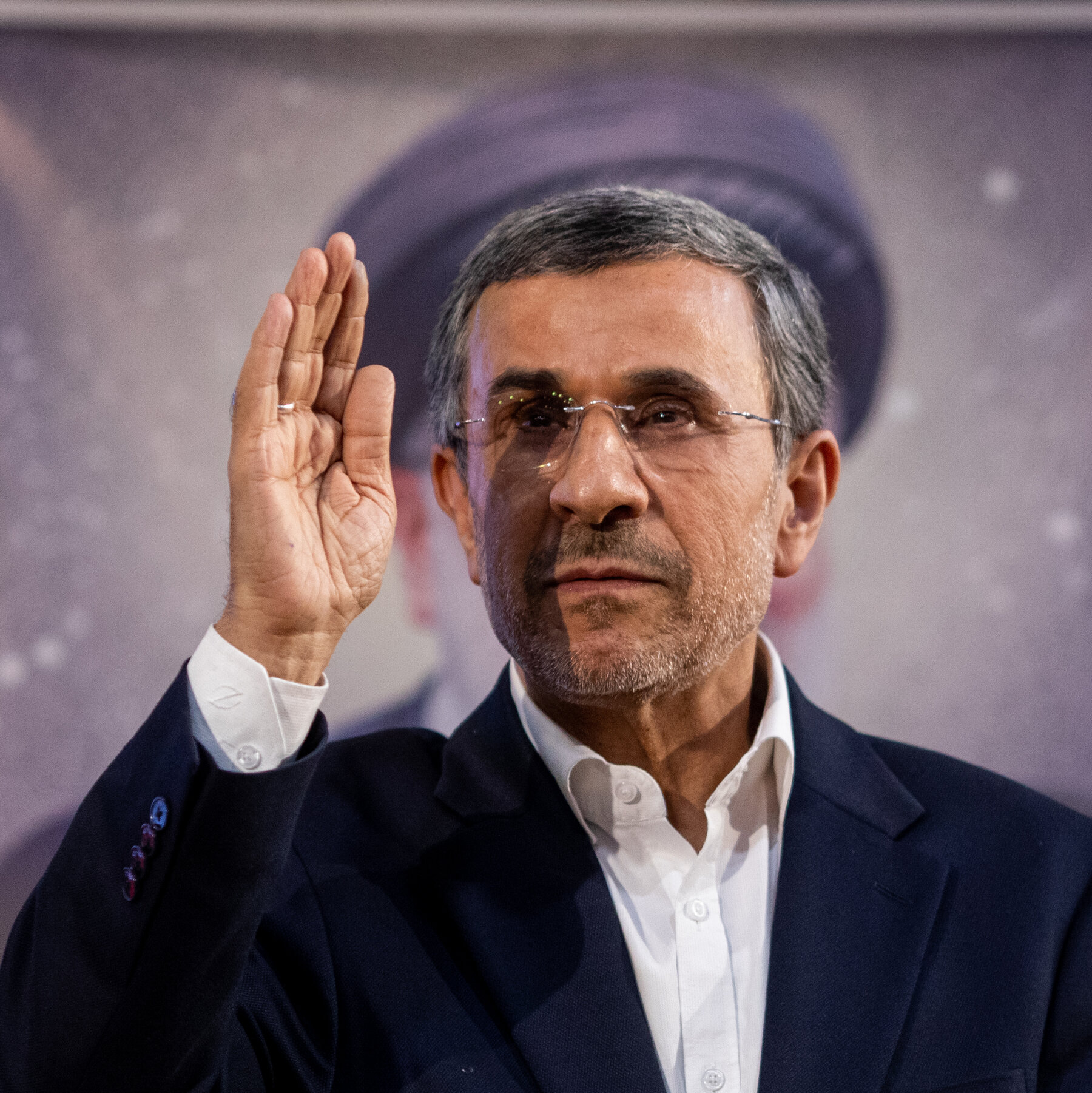
Analyzing the Dynamics of Political Instability in Iran
Recent reports suggest that specific, high-profile incidents involving prominent political figures in Tehran have been interpreted by some international observers as part of a larger, coordinated effort. These actions appear to be aimed at influencing the structure of power within the Iranian political landscape.
The focus of the analysis centers on events that reportedly involved attempts to secure the release of a former high-profile leader from confinement. According to official statements regarding these incidents, the operation was understood not merely as a rescue mission, but as a calculated move intended to destabilize the existing regime and pave the way for a specific political outcome, namely the empowerment of that individual.
The Broader Significance of Such Interventions
The suggestion that external forces orchestrated events to manipulate internal political dynamics raises profound questions about national sovereignty and regional stability. When major international players or affiliated groups are believed to be intervening to facilitate regime change, it signals deep underlying geopolitical rivalries. Such actions complicate diplomatic efforts and escalate tensions between regional powers.
Impact on Domestic Governance
The underlying implication of such alleged maneuvers is a challenge to the established mechanisms of governance. If leadership transitions are perceived as being engineered from outside, it undermines the legitimacy of the ruling structure in the eyes of some international actors and domestic populations alike. This environment of uncertainty makes long-term planning and predictable policy-making exceptionally difficult for the nation.
Historical Context of Regional Tensions
The region has long been characterized by complex and sometimes volatile geopolitical maneuvering. Discussions around political influence in Iran are frequently framed within the context of broader ideological and strategic competition. These recurring incidents contribute to a narrative where internal political struggles are viewed through the lens of external power projection. Understanding this dynamic requires looking beyond single events to grasp the deep-seated interests driving the international involvement.
Examining the Political Calculus
The core narrative emerging from the reported events points toward a strategic objective: establishing a preferred political figure in a position of significant authority. Whether these interventions are solely focused on a single individual or represent a broader shift in the balance of power, the result is a heightened level of tension. The implications extend far beyond the immediate political leadership, touching upon economic policy, international alliances, and regional security cooperation.
Consequently, any analysis of the situation must weigh reports of overt intervention against the established framework of Iranian domestic politics. The prevailing concern among observers is the potential for sustained instability, which could lead to unpredictable shifts in international engagement with the country.
About the Author




