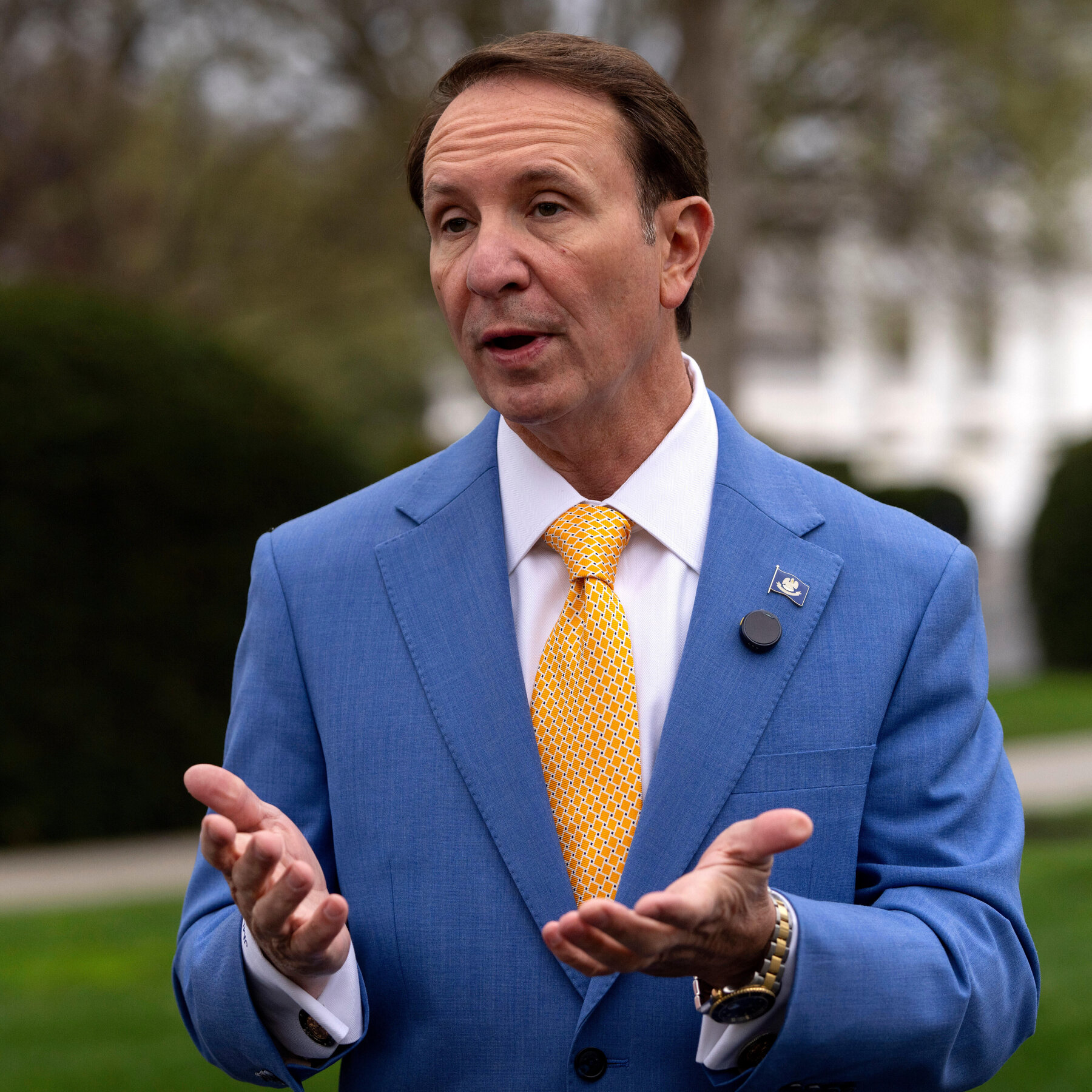
Greenland’s Reception: Political Gestures Fall Flat Amid Local Disinterest
Recent diplomatic overtures aimed at influencing Greenland appear to have met with a notable lack of enthusiasm from local residents. Despite high-profile visits and political signaling from various external figures, the welcome has been markedly underwhelming. Efforts involving symbolic gifts or high-profile endorsements seem to have failed to resonate with the community, suggesting a local sentiment that is independent of external political maneuvering.
The current atmosphere surrounding political engagement in the territory suggests that overt acts of patronage—such as offering paraphernalia or small goods—are not enough to generate positive reception. Instead, the focus appears to be on self-determination and local priorities, rendering politically charged gestures less impactful than anticipated by external observers.
What This Means: A Focus on Sovereignty Over Spectacle
The relative indifference to recent political attention signals a growing local emphasis on governance that is intrinsically linked to the island’s unique status. When external figures attempt to exert influence through grand gestures or political threats, the reception suggests the local populace is prioritizing tangible, day-to-day realities and the trajectory of self-governance over political symbolism. This indicates a mature level of political skepticism regarding outside agendas.
The disinterest suggests that the local narrative is being shaped internally, requiring efforts that address deeply rooted cultural or infrastructural needs rather than merely accommodating political optics. Any lasting engagement will likely need to move beyond the realm of political theater into areas of genuine partnership and mutual respect for self-determination.
Background and Context: Navigating External Interests
The island has historically been a focal point for geopolitical interest due to its strategic location and growing natural resource potential. This international attention has often been accompanied by strong, sweeping statements from powerful global actors regarding its future governance. Such pronouncements, often involving conditional support or expressed intentions of taking control, frequently generate significant media coverage.
However, the current situation highlights a potential divergence between the geopolitical narratives playing out at the highest levels of international policy and the lived experiences of the people on the ground. When governance decisions are viewed through the lens of external power dynamics, local sentiment tends to pull focus back to the immediate needs and established rights of the citizenry, providing a quiet counter-narrative to the diplomatic fanfare.
About the Author




