“title”: “Global Shipping’s Green Transition Faces Pushback Amid Calls for Stronger Climate Governance”,
“content”: “
Assessing the Global Push to Decarbonize Maritime Shipping
The transition of the global shipping industry away from fossil fuels is reaching a critical juncture. While significant technological solutions and international frameworks are in place to manage this shift, the process is facing notable resistance from certain powerful nations. The urgency surrounding climate mitigation means that nearly every sector, including maritime transport, must commit to decarbonization. The international regulatory bodies have already established mechanisms, such as the Net-Zero Framework (NZF), designed to create legally binding global standards for emissions reduction.
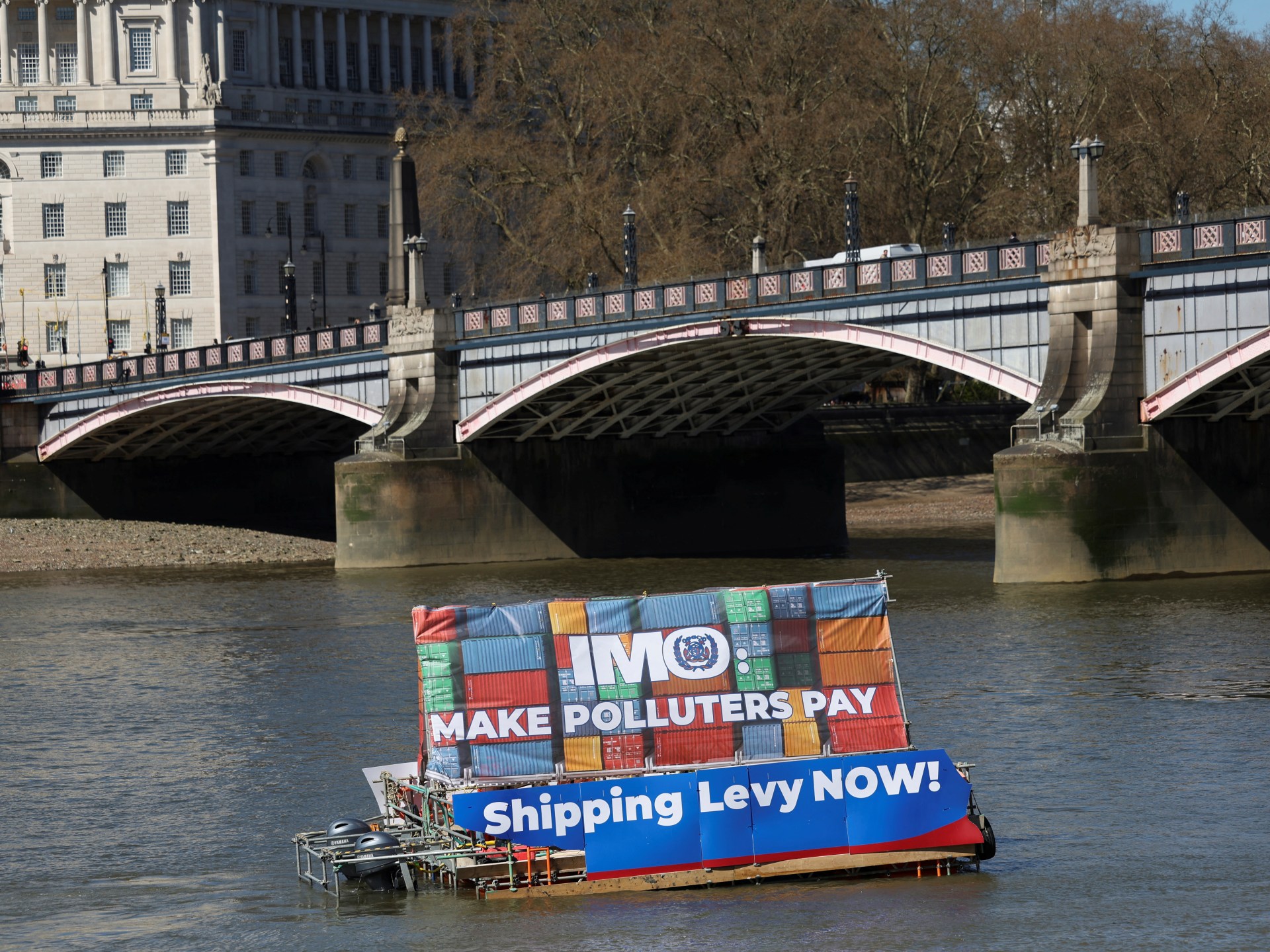
The development of this framework represents a major step toward establishing a worldwide carbon price for international polluters—a system that required extensive negotiation. However, the implementation of these ambitious rules has encountered delays and efforts to dilute their effectiveness. These stalling tactics are drawing criticism from smaller island nations and climate advocates who argue that any watering down of the commitments jeopardizes global climate stability.
For island nations, the stakes are existential. Their representatives are adamant that climate action must remain uncompromising. They caution against allowing the ambitions of the collective movement to be dictated by the policies of a few industry-aligned economies. Maintaining high standards, rather than lowering them to accommodate resistance, is presented as a non-negotiable necessity for their survival and the planet’s future.
What This Means: The Importance of Binding Standards
The central conflict revolves around the scope and strictness of the proposed emission controls. The ability for a single international agency to mandate binding rules for all vessels is viewed by proponents as a decisive advantage, potentially making the transition smoother than anticipated. The proposed framework aims to establish a universal financial penalty or levy on carbon emissions generated by shipping. For climate justice advocates, the strength of this carbon price is paramount; a weak mechanism will fail to drive the necessary industrial overhaul. Therefore, pushing for the adoption of the current framework, rather than accepting weakened versions, is crucial to building genuine market accountability.
Background and Context: International Maritime Cooperation
The international community has been working toward solidifying these rules through major maritime organizations. One key milestone involves establishing a mechanism to ensure that fossil fuels are systematically phased out across the entire industry. The negotiations require consensus among member states, a process that inherently invites lobbying and negotiation tactics aimed at slowing progress. The insistence on holding firm to strong, universal emissions targets underscores the historical precedent that global environmental challenges cannot be solved through fragmented national approaches. The movement emphasizes the need for global governance to supersede short-term, economically motivated resistance.
}console.log(JSON.stringify({ “
About the Author