Elevating Athletic Safety: A New Standard for Emergency Preparedness in Guyana’s Sports Sector
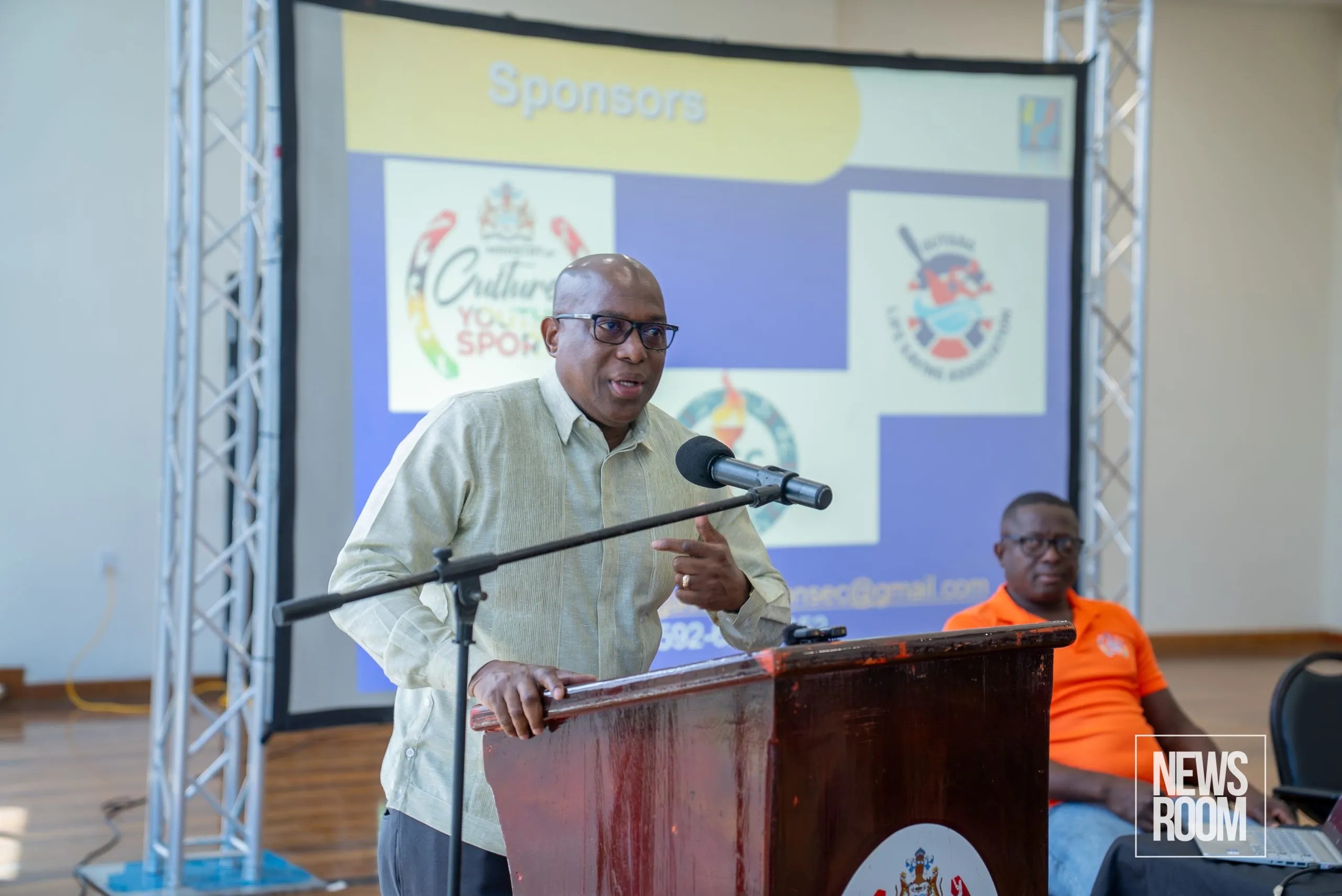
A significant enhancement has been implemented within the framework of Guyana’s sporting community, focusing on embedding immediate life-saving capabilities among key support staff. A recent workshop brought together numerous coaches and administrators to undergo specialized training in advanced First Aid and Cardiopulmonary Resuscitation (CPR). This undertaking represents a structured, collaborative effort involving several key national and international safety bodies. The primary objective of this initiative is to move beyond traditional coaching methodologies by equipping leaders—those who guide the nation’s athletes—with the skills required to act as crucial first responders during unexpected medical crises.
This systematic approach signals a deep commitment from governmental and sporting authorities to prioritizing well-being alongside athletic performance. Officials participating in the training emphasized that ensuring the safety of every participant, from athletes to administrative staff, is a core national priority. Consequently, the training workshop is slated to become a regular feature on the national sports calendar, indicating its lasting importance to the infrastructure of the sector.
Significance and Impact of Enhanced Training
The integration of professional emergency response training into the operational fabric of sports coaching marks a substantial paradigm shift. Previously, medical readiness might have been viewed as supplementary; now, it is being institutionalized as a foundational component of leadership. This elevates the overall resilience of the sporting ecosystem. By standardizing high-level CPR and First Aid knowledge among administrators, the potential response time during an emergency is drastically reduced. This proactive measure benefits not only competitive sports but also the broader community engaging with organized sporting activities.
Broader Context of Safety Initiatives
This specialized workshop is part of a broader, ongoing push to solidify national safety protocols related to physical activity. The focus on continuous certification is evident across multiple fronts, including intensive retraining for waterfront lifeguards. Furthermore, the growing public interest in foundational skills, as demonstrated by surges in participation in programs like ‘Learn to Swim,’ has naturally amplified the recognized need for accessible, high-quality emergency education across the sporting environment. These consistent renewal cycles underline a rigorous adherence to international best practices for emergency readiness.
Commitment to Capacity Building
The sustained cooperation between national sporting organizations and international safety partners underscores a long-term investment in human capital. This partnership has a history of collaboration, suggesting a dedicated, evolving relationship aimed at skill transfer and institutional strengthening. The overall message conveyed is one of shared responsibility: ensuring that every individual within the sports sector is equipped not just with technical coaching expertise, but also with the critical, life-preserving abilities necessary to mitigate risk in real-time.
About the Author