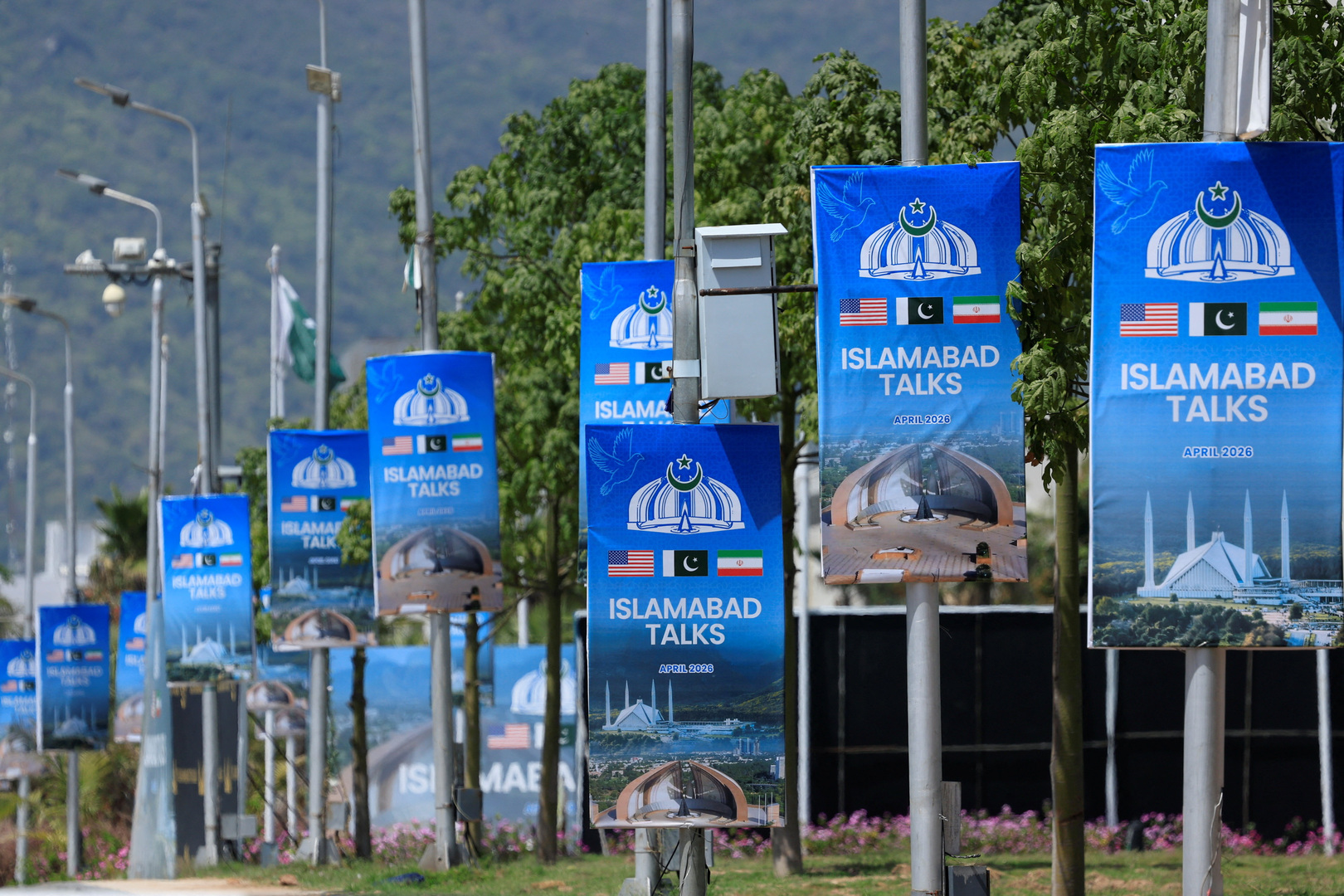
International Diplomacy on Edge: Islamabad Implements High Security for US-Iran Discussions
The Pakistani capital of Islamabad has placed extensive security measures into effect in anticipation of high-level talks between representatives from the United States and Iran. The atmosphere around the designated meeting location is one of heightened vigilance, with authorities coordinating a significant police and security presence to manage access and maintain order. This elevated security posture underscores the perceived sensitivity and geopolitical weight of the discussions scheduled to take place.
While the diplomatic engagement is proceeding, questions regarding the nature and level of Iran’s participation have circulated among observers. Despite these diplomatic uncertainties, the preparations for the summit continue, suggesting a commitment from various international stakeholders to facilitate dialogue. The visible security apparatus suggests that the proceedings are viewed not merely as routine talks, but as an event carrying substantial international implications.
What This Means: Geopolitical Focus and Stability Concerns
The intense security surrounding the dialogue signals the perceived importance of achieving some form of understanding or de-escalation between the two nations. Major diplomatic engagements between powers with complex regional relationships invariably draw heavy security cordons. The presence of an expanded law enforcement force is designed to manage crowd flow, secure sensitive areas, and preempt potential disruptions, reflecting the high stakes associated with any agreement or breakthrough emerging from the discussions.
The focus remains keenly fixed on the outcomes of these talks. Any substantive agreement or even structured dialogue framework could have ripple effects across the Middle East and beyond, impacting regional stability, energy markets, and diplomatic alignments. Therefore, the visible commitment to order and security management suggests that global powers are closely monitoring the proceedings for any directional shifts in bilateral relations.
Background and Regional Context for US-Iran Engagement
Discussions involving both the United States and Iran have historically been subjects of intense international scrutiny, often due to complex geopolitical rivalries and differing strategic objectives in the Middle East. These talks are part of an ongoing regional calculus where multiple external factors converge—including matters of trade, regional security pacts, and ideological alignment. The staging of such talks in a third-party location like Islamabad positions Pakistan at the center of multilateral diplomatic efforts, highlighting its growing role as a facilitator for broader international dialogues.
Historically, the relationship between the two countries has been characterized by periods of intense tension punctuated by diplomatic efforts toward normalization. Current dialogues are therefore viewed against a backdrop of deep-seated mistrust and varied interpretations of international law and regional leadership. Observers anticipate that the security buildup mirrors the gravity of the issues on the table, demanding a highly controlled and controlled environment for any productive negotiation to occur.
About the Author