Resurging Slogans and Political Tensions: Analyzing Civil Demonstrations and Political Controversies
Recent nationwide demonstrations organized around May Day highlighted a confluence of political activism and visible ideological messaging. Participants across major US cities gathered to voice demands for systemic changes in the nation’s economy, advocating for policies that prioritize labor over concentrated wealth. The mobilization involved a wide range of constituents, including students, workers, and families, who sought to exert pressure through organized public action and calls for altered norms of civic participation.
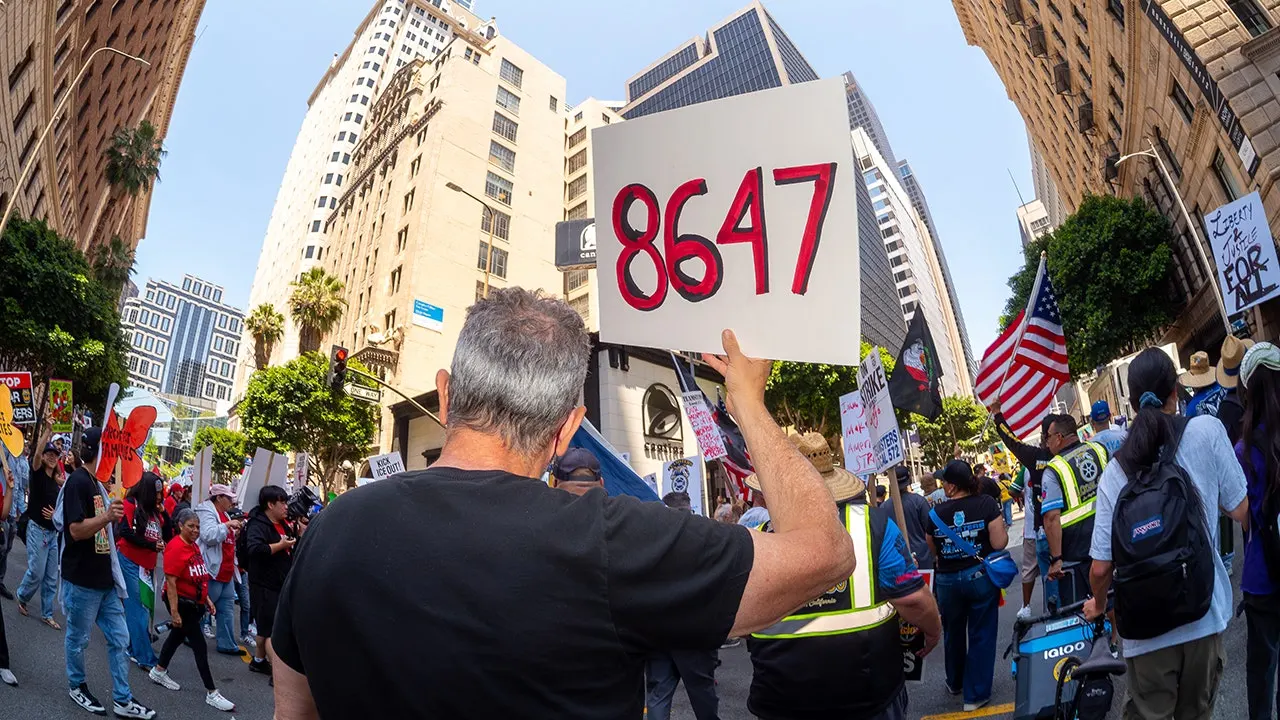
Amid the protests, specific slogans began appearing on signs, drawing attention due to their potential connection to recent high-profile legal actions. One such slogan involved the numbers “86 47.” The recurrence of this specific phrase prompted discussion regarding its immediate context and its apparent symbolic weight among certain activist groups. These visible symbols added a layer of complexity to the already charged atmosphere of the nationwide march.
Significance and Impact of the Demonstrations
The gatherings served as a major platform for articulating discontent with prevailing economic and social structures. The core message conveyed by organizers was a rejection of the status quo, calling instead for a fundamental shift toward greater worker empowerment. The sheer scale and nature of the participation underscore a mobilized sentiment across various sectors of the population who feel the need to publicly advocate for immediate, substantial policy corrections.
Context of Political Controversies
The visibility of specific slogans during these demonstrations coincided with heightened political scrutiny surrounding former federal law enforcement officials. Official legal proceedings concerning certain former directors have recently involved charges related to alleged threats made against a sitting political figure. The details of these legal matters—specifically regarding communications interpreted by authorities as threats—have kept the controversies firmly in the public spotlight, adding a layer of political intensity to civil unrest and organized protest activity.
Overall, the convergence of large-scale labor activism demanding economic restructuring with the backdrop of highly publicized legal charges against political figures illustrates a period of significant domestic political volatility. The public space has become a battleground where economic demands intersect with debates over political allegiance and the boundaries of free speech in the modern era.
About the Author