The Solar Standoff: Examining the Economic and Operational Dilemma of the Ivanpah Power Facility
A massive, high-profile renewable energy project, the Ivanpah Solar Power Plant, now faces a severe economic deadlock. Built with significant federal backing during a period of economic stimulus, the facility—which spans thousands of acres in the Mojave Desert—is now a point of contention between energy policy proponents, utility providers, and state regulators. The core issue revolves around whether to keep operating a multi-billion dollar asset that generates electricity at a high cost, or to shut it down, a move that carries substantial financial implications for taxpayers and ratepayers.
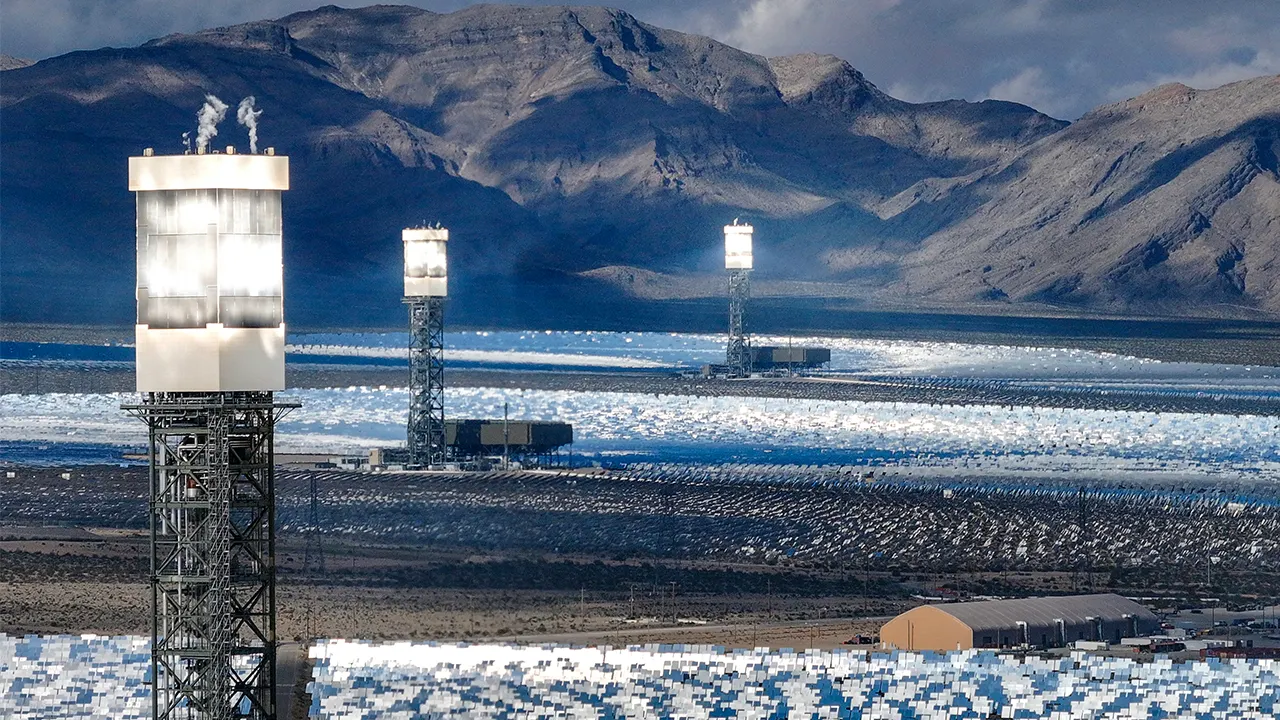
The plant itself represents a monumental feat of solar engineering, utilizing thousands of mirrors to concentrate sunlight onto three central towers to produce power. While initially heralded as a beacon of clean energy progress, the technology powering Ivanpah has since been challenged by newer, more cost-effective, and efficient solar alternatives available in the current market. This technological obsolescence compounds the operational problem, creating a situation where the perceived benefit of maintaining the plant is increasingly questioned by energy market analysts.
The Conflict Between Economics and Grid Reliability
The debate pits immediate fiscal responsibility against grid stability. On one side, critical voices argue that the plant’s operational costs make it an economically unsound venture, suggesting that its continued operation is sustained by political mandates rather than sound market economics. They point to the high cost of electricity generated there, contrasting it with the plummeting prices of modern solar technology. On the other hand, state regulatory bodies have resisted demands to cease operations, cautioning that an abrupt shutdown could destabilize the regional power network. This clash leaves stakeholders caught between the financial burden of maintaining legacy infrastructure and the risk of energy shortages.
Broader Implications for Renewable Investment
The predicament of Ivanpah illuminates a broader pattern in large-scale green energy development. It raises complex questions regarding how substantial initial government subsidies and stimulus funding translate into sustainable, market-viable assets. The situation forces an examination of whether energy infrastructure built under specific federal economic conditions remains competitive and sustainable decades later. Furthermore, the plant’s environmental footprint, which includes concerns over wildlife impact and desert habitat alteration, adds layers of complexity to any decision regarding its future existence.
Ultimately, the outcome hinges on a delicate balancing act: determining the true cost—both monetary and environmental—of keeping an older, subsidized energy source operational versus accepting the immediate financial settlement and necessary grid adjustments associated with decommissioning it. This standoff serves as a crucial case study in managing the transition to modern, decentralized energy systems.
About the Author