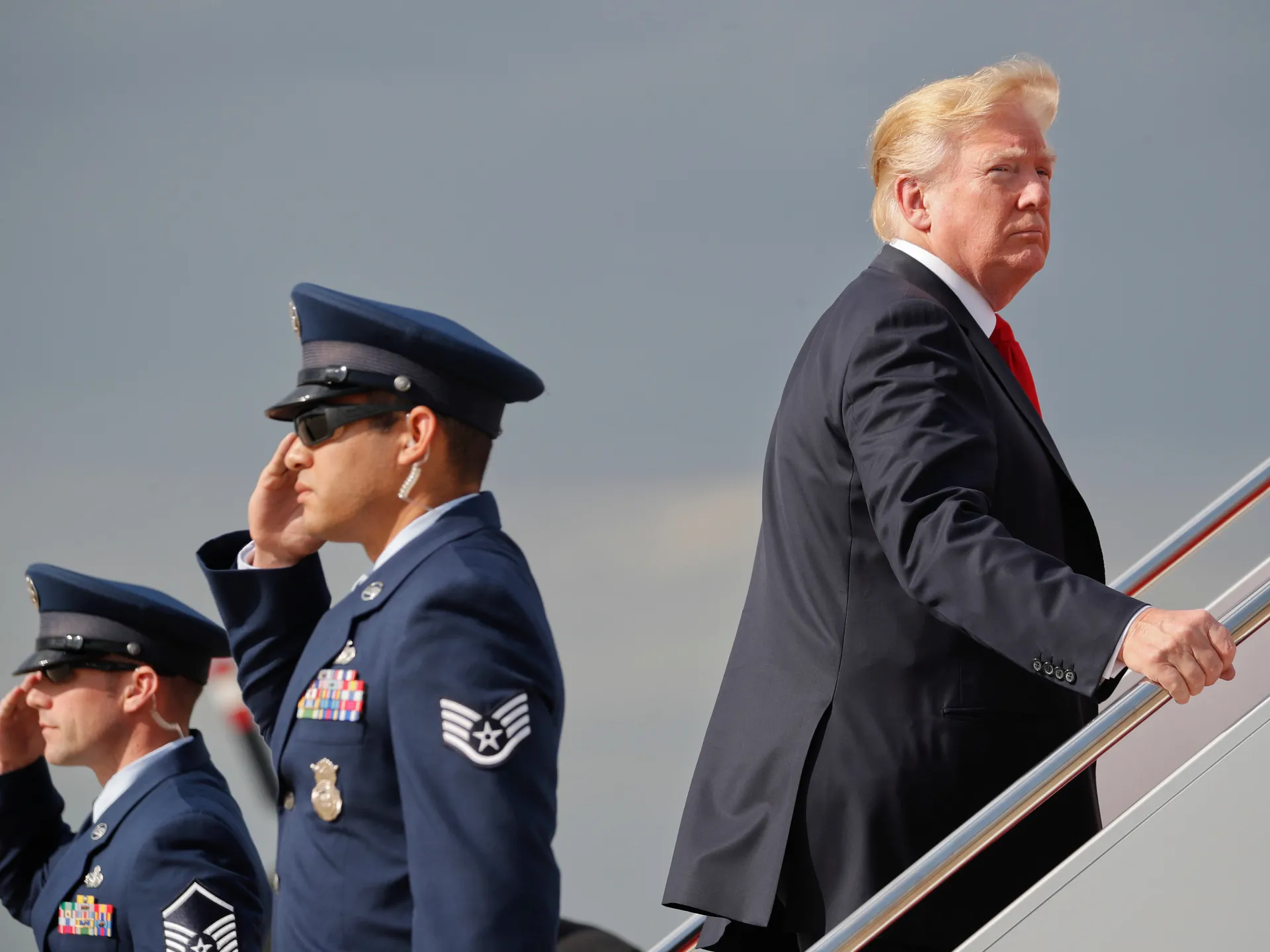
Trump Addresses White House Correspondents’ Dinner, Signaling Return to a Long-Standing Tradition
The annual White House Correspondents’ Dinner, a fixture in Washington’s cultural calendar since at least 1921, is set to feature a notable appearance from Donald Trump. This marks the first time he is scheduled to attend the gala in his capacity as president, an event that has long been associated with the convergence of political power and journalism. His attendance, after years of marked absenteeism, draws significant attention given his highly public and often critical relationship with the media.
Historically, the dinner has served as a unique, albeit sometimes contentious, gathering where political figures interact with the press corps. However, the event’s structure and perceived closeness to the administration have long sparked debate among observers regarding the purported independence of journalism. This year’s event is notable for several modifications, including the decision to omit the traditional comedic performance, shifting the focus toward more direct engagement.
The Significance of the Appearance
Trump’s decision to participate in this venerable tradition carries palpable weight. For much of his career, the former president has adopted a highly confrontational stance toward journalists and news institutions, often engaging in public disputes and litigation over reporting coverage. His presence at the dinner, therefore, cannot be viewed merely as a social engagement; it represents a symbolic recalibration regarding his relationship with the press. More broadly, the context surrounding his attendance is underscored by calls from professional journalistic bodies.
These professional organizations are reportedly urging the event’s organizers to use the platform to deliver a clear message regarding the fundamental protection of press freedom. The emphasis from these groups is on maintaining the institutional impartiality of the press, framing journalistic autonomy as a principle that transcends any particular political affiliation. This collective messaging suggests an effort to elevate the dinner’s purpose beyond mere political camaraderie.
Context and Evolution of the Event
The White House Correspondents’ Dinner has evolved considerably over its decades-long history. While it remains a high-profile social function, the discourse surrounding it frequently revolves around the balance between celebration and scrutiny. Previous administrations have used the platform for acknowledgments and banter, but the modern climate, coupled with high political polarization, has amplified the perceived pressure on media attendees. Trump’s past reluctance to attend the dinner across various presidential terms underscores the weight of this current participation.
Overall, the narrative surrounding this year’s dinner suggests a moment of public reckoning. While the event continues its enduring tradition of bringing together political elites and reporters, the increased focus on the sanctity of press freedom, alongside the former president’s visible participation, points to an ongoing negotiation over the role of the press in contemporary American governance.
About the Author