Critical Juncture for African Agriculture
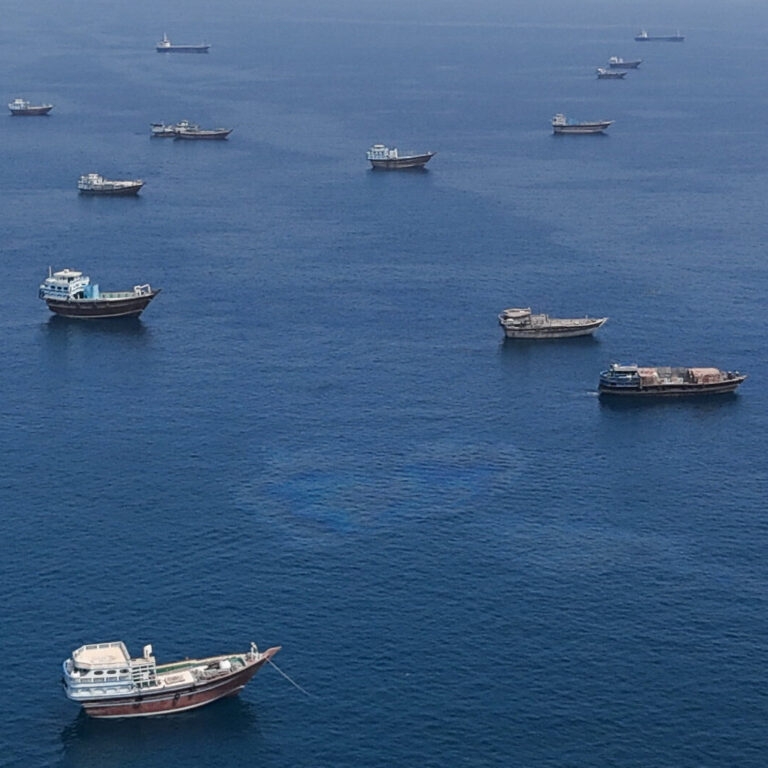
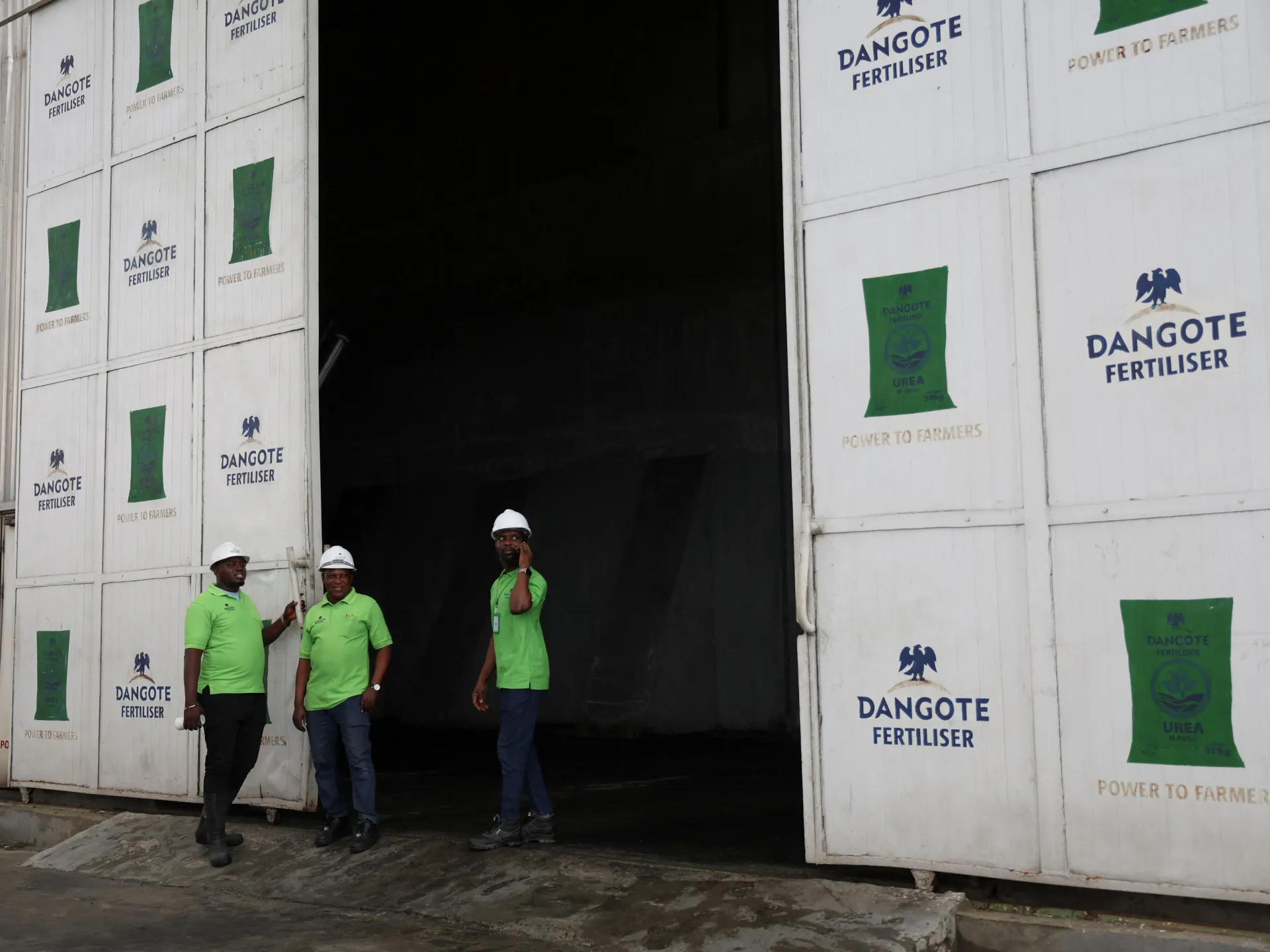
The stability of food production across sub-Saharan Africa is facing potential jeopardy due to accumulating disruptions in global fertilizer supply chains. Escalating geopolitical tensions, particularly those affecting vital maritime chokepoints, threaten the steady flow of essential nutrients like urea, ammonia, and phosphates. These inputs are fundamentally necessary for increasing crop yields, making the continent acutely vulnerable to trade interruptions. The reliance on specific global transit routes for a substantial portion of the world’s fertilizer trade means that any perceived risk can trigger severe price spikes and significant delays in supplies, placing immediate pressure on the entire food system.
This systemic fragility was starkly revealed during recent global crises, demonstrating an over-dependence on limited exporting centers and constricted logistical pathways. Given that the vast majority of fertilizer consumed in the region must be imported, the economic shock of global supply faltering is transmitted directly and severely to local farmers. For the smallholder farming community—the backbone producing much of the region’s staple foods—the financial strain and limited alternatives when supply tightens are the most profound challenges.
Building Resilience Beyond Emergency Aid
Addressing this instability requires a strategic shift from merely managing immediate shortages to building robust, self-sustaining food sovereignty. While initiatives have provided necessary emergency assistance, the focus must now pivot toward long-term structural fortification. This involves proactively anticipating bottlenecks, which means integrating advanced market intelligence into national planning. Policymakers must establish sophisticated systems for monitoring trade movement, tracking shipping routes, and analyzing real-time commodity price changes to allow for preemptive policy responses before a localized shortage becomes a continental crisis.
Furthermore, coordinating efforts across regional bodies is paramount. Enhanced data exchange among African agricultural groups can equip member states with a shared, accurate understanding of their collective exposure and allow for a unified, coordinated strategy. This collective approach to market awareness serves as a crucial, non-physical buffer against the volatility inherent in international trade.
The Economic Ripple Effect and Policy Action
The implications of insufficient fertilizer are severe and wide-ranging, potentially leading to dramatic decreases in staple harvests like maize, rice, and wheat. Such reductions would exert powerful upward pressure on food prices, fueling inflation across national economies and destabilizing social structures. Recognizing that fertilizer security is inextricably linked to broader economic stability, governments must champion policies that diversify supply options and support local production capabilities.
To achieve this, action must be taken across multiple interconnected fronts. Beyond intelligence gathering, there is a necessity for collaborative resource planning and building alternative trade corridors. By strengthening regional frameworks for data sharing and supporting diversified local agricultural inputs, African nations can significantly cushion the impact of geopolitical flashpoints and move toward genuine self-reliance in their food production methods. This multifaceted policy overhaul is critical for insulating harvests and protecting livelihoods against unpredictable global disruptions.
About the Author