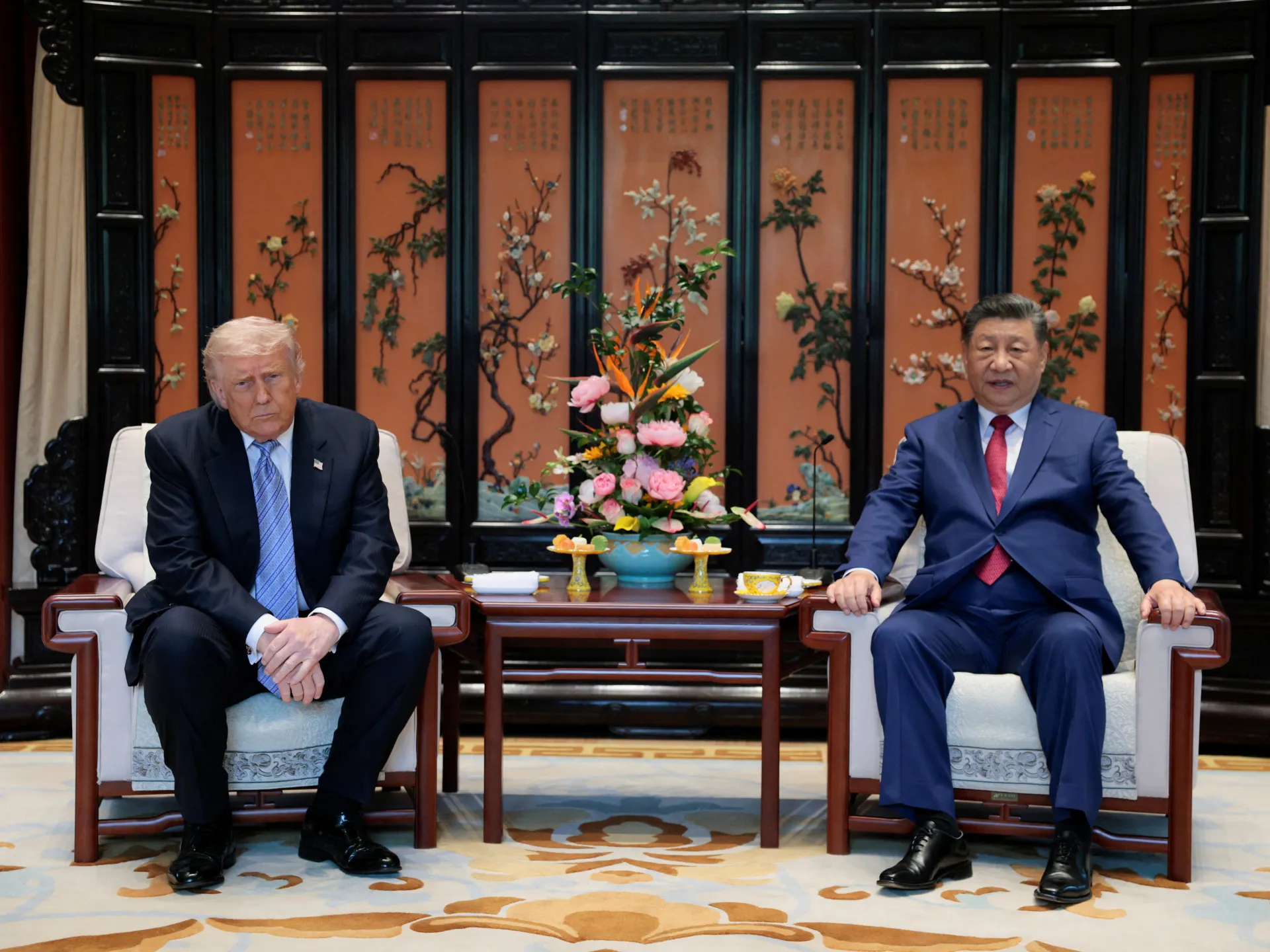
Bilateral Summit in Beijing: Leaders Address Global Tensions Between the US and China
Global attention has been focused on a critical summit in Beijing, where leaders from the United States and China convened for intense discussions. The purpose of these high-level meetings is to navigate several deeply entrenched areas of disagreement, specifically concerning international trade practices, the political status of Taiwan, and broader geopolitical conflicts affecting the world order.
These discussions represent a significant diplomatic effort to de-escalate mounting tensions between two of the world’s most influential economies and political powers. As the final day of talks concluded, the focus remained on finding common ground on issues that carry substantial economic and security implications for nearly every nation on the planet. The high stakes underline the mutual interest in stabilizing relations to prevent further global uncertainty.
During the meetings, discussions reportedly spanned a wide array of complex topics. Among the sticking points are trade imbalances and strategic disagreements regarding regional flashpoints. The talks aim to foster a more predictable environment for international commerce and diplomacy between the two major global players.
What This Means: Implications for Global Stability
The outcome of these bilateral talks carries weight far beyond the two nations involved. Since the relationship between the US and China influences global supply chains, technological development, and international security frameworks, any progress—or failure to achieve it—will ripple outward.
A reduction in friction could signal a potential stabilization period, encouraging greater cooperation on global challenges like climate change, pandemic preparedness, and economic resilience. Conversely, continued disagreements could deepen existing fault lines, potentially leading to increased economic decoupling or heightened geopolitical rivalry across various international forums. The global community is keenly observing whether these discussions can foster a framework for managed competition rather than outright confrontation.
Background and Context of US-China Relations
Historically, the relationship between the United States and China has been marked by a complex pendulum swing between periods of intense cooperation and periods of pronounced strategic rivalry. Over the past years, the disagreements have crystalized around several core themes. Trade disputes have been prominent, involving tariffs and disagreements over intellectual property rights, fundamentally reshaping global manufacturing patterns.
Furthermore, the differing strategic views on Taiwan continue to serve as a flashpoint, representing divergent visions for the future of East Asian stability. These underlying structural differences necessitate continuous, high-level diplomatic engagement to prevent misunderstandings from escalating into broader disputes. The commitment to structured dialogue, even when difficult, remains a critical diplomatic mechanism for managing geopolitical risk.
About the Author




