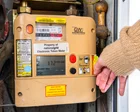
Settling the Score: Compensation Package for Energy Customers Over Forced Meter Installations
A significant financial redress package is being established for numerous British Gas customers. These funds, amounting to up to £112 million, are intended to compensate residents whose homes were fitted with prepayment meters under questionable circumstances. The compensation structure encompasses various elements, including penalties, direct support packages, and substantial write-offs of accumulated energy debt.
The investigation, conducted by the energy sector’s primary regulator, uncovered that the practice of installing these specific meters was often implemented when households faced difficulties managing their energy expenditures, particularly during periods of extreme volatility in the global gas market. This regulatory deep dive highlighted systemic issues regarding consumer treatment and energy infrastructure rollout.
The overall redress package reflects the findings that the deployment of these devices on vulnerable households warranted a multi-faceted financial remedy. While the core issue revolves around the involuntary installation, the remediation efforts aim to provide comprehensive relief, addressing both immediate financial burdens and historical overcharges associated with the meters.
The Scope of the Compensation Remedy
The structured compensation package is detailed across several financial components. On one level, there is a designated penalty amount set aside for the company’s practices. Furthermore, a specific support package is allocated to assist affected individuals directly. Perhaps the most substantial element involves the forgiveness of significant amounts of accrued debt on energy accounts, providing considerable relief to customers.
This financial intervention suggests that the regulatory body determined the need for more than simple billing adjustments. The comprehensive nature of the compensation indicates a recognition of the profound impact the mandated installations had on the financial stability and perceived autonomy of the customers involved.
Implications for Energy Regulation and Consumer Trust
The resolution underscores a growing scrutiny of utility practices, especially those involving physical alterations to a customer’s property and significant financial agreements. The regulatory review, described as one of the most intricate in the regulator’s history, signals a tougher stance on utility providers regarding customer vulnerability. Such large-scale remedies aim not only to pay out past debts but also to restore a baseline level of trust between energy suppliers and the public.
This outcome serves as a major precedent, suggesting that future utility rollouts, particularly those involving mandated technology upgrades during economic crises, will face heightened oversight. Consumers are now informed that regulatory bodies possess the capacity and willingness to audit complex, large-scale deployments and mandate significant financial accountability from energy companies.
Context of Energy Market Instability
The context underpinning these events relates to the heightened instability within the gas supply markets. During periods when energy costs surged unexpectedly, utility companies were tasked with managing the resulting strain on consumer finances. However, the investigation pointed toward shortcomings in the initial assessment and subsequent implementation strategies used by the supplier, leading to the current comprehensive repayment mechanism.
About the Author