Targeting of Aid Workers Raises Serious International Concerns
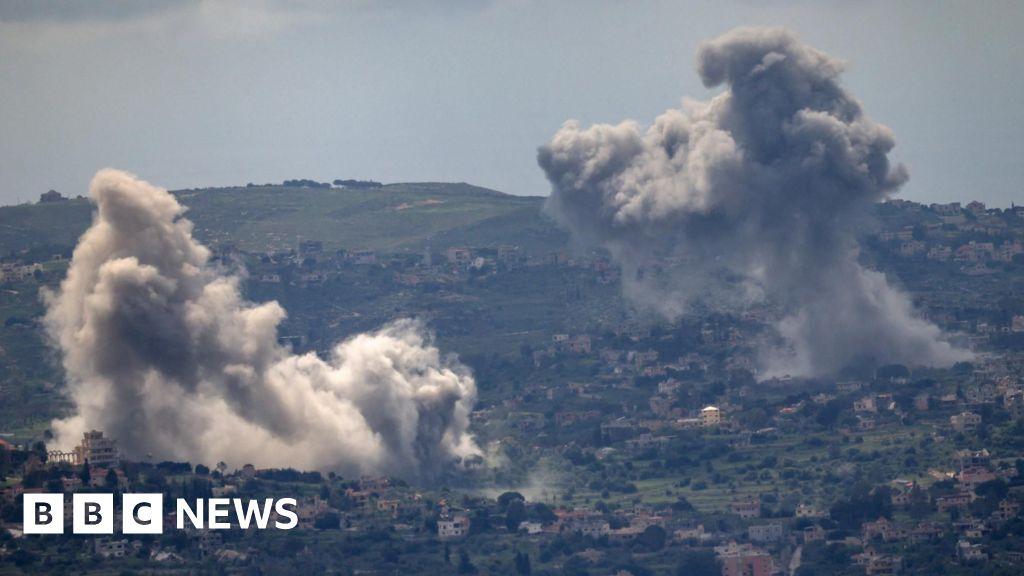
Reports confirm that two sequential air strikes targeting a structure in southern Lebanon resulted in a significant number of casualties, including multiple emergency responders. Local officials highlighted the deaths of three members of the state-run Civil Defense service. These workers were reportedly deployed to assist those injured in the initial assault in the town of Majdal Zoun, only to become trapped and succumb to injuries sustained from a subsequent strike. The incident has drawn sharp criticism from Lebanese authorities, with the country’s prime minister characterizing the event as a potential war crime.
The pattern of successive attacks, described as a “double-tap,” has become a focal point of concern. This methodology involves an initial strike followed by further bombardment, frequently impacting civilian areas and emergency personnel. Human rights organizations have repeatedly voiced alarm, suggesting that calculated attacks aimed at healthcare and rescue workers may constitute violations of international humanitarian law.
Understanding the Conflict Landscape
The recent escalation between Israel and Hezbollah—the Lebanese militia group with documented ties to Iran—originated following rocket fire directed toward Israeli territory on March 2nd. Israel responded with extensive aerial strikes and a ground operation into southern Lebanon. Since the hostilities intensified, the toll within Lebanon has been substantial, with official figures indicating over 2,500 deaths. These casualty figures reported by the Lebanese health ministry encompass a broad spectrum of victims, including a large number of women and children.
While the violence has seen periodic dips, such as a US-facilitated ceasefire, the situation remains volatile. Israel has justified its military activities by citing perceived breaches of the agreement by Hezbollah, a group not initially signatory to the truce but that had indicated compliance if Israeli adherence to the terms was maintained.
What This Means for Humanitarian Efforts
The persistent targeting of aid workers presents a severe operational hazard for humanitarian organizations operating in the region. The documented loss of multiple rescue personnel underscores the extreme risk faced by medical and emergency services when conflicts erupt in densely populated areas. For international bodies, this raises critical questions regarding the adherence to established protections for non-combatant personnel under the laws of armed conflict. The necessity of securing safe passage and immunity for medical teams remains paramount amid the ongoing exchanges.
Context of the Violence
The current cycle of conflict has established a grim pattern of retaliatory violence. Official accounts detail casualties on both sides of the ongoing confrontation. Meanwhile, journalists have spent time documenting the perilous conditions faced by local emergency teams, highlighting the immediate and enduring dangers inherent to responding to conflict zones.
About the Author