Supreme Court Narrows Scope of Racial Considerations in Drawing Election Districts
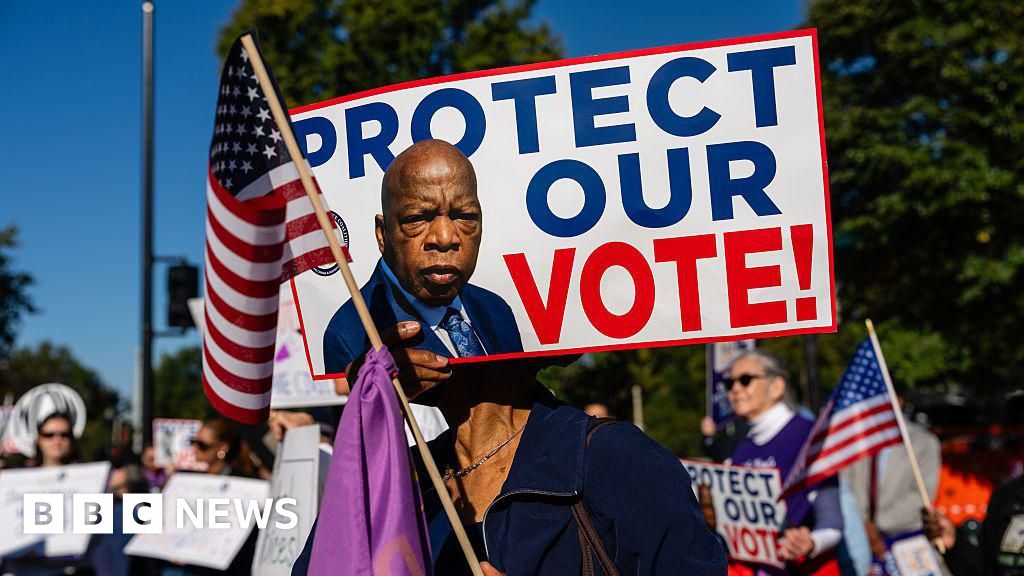
A significant ruling from the Supreme Court has altered the landscape for how political boundaries are drawn across the nation. In a decision that focused on how race can be considered when creating voting districts, the high court curtailed the latitude lawmakers previously had to structure maps based on the racial composition of a state. This shift could profoundly impact the political representation of minority groups in various states, particularly those in the South.
The controversy centered on efforts to redraw legislative boundaries in a manner intended to safeguard the voting strength of Black Americans, invoking protections established by decades-old civil rights legislation. The court’s majority opinion suggested that previous judicial interpretations of foundational civil rights statutes sometimes compelled states into practices that contradicted constitutional mandates against racial discrimination. Consequently, the ruling sets a new, higher bar for challenges aimed at proving the dilution of minority voting strength.
What This Means for Political Representation
The immediate impact is a substantial elevation of the evidentiary standard required to successfully challenge a legislative map. Moving forward, those alleging a voting rights violation must provide concrete proof that the map drawing was a deliberate and intentional act designed specifically to diminish the political power of racial minority voters. This narrows the legal scope, shifting the burden of proof toward demonstrating clear, discriminatory intent rather than merely showing a correlation between map lines and minority concentrations.
Legal experts suggest this ruling refocuses the litigation away from broad statistical patterns toward proving malicious legislative action. While the outcome aims to restrict certain types of map-drawing challenges, critics argue that the decision represents a retreat from established federal protections designed to ensure equitable electoral opportunities for all populations.
Context and Ongoing Political Stakes
The debate surrounding partisan and racial gerrymandering is intensifying nationally. State legislatures across the political spectrum are actively engaged in updating their electoral maps to enhance their partisan advantages. For instance, certain states are currently undergoing processes to redraw their districts, actions that have the potential to reshape the balance of power in Congress. These map-drawing maneuvers often target areas with significant minority populations, leading to heightened legal and political scrutiny across multiple states simultaneously.
This ongoing cycle of map reform highlights the enduring tension between a state’s right to self-governance in drawing its boundaries and the federal government’s commitment to ensuring that every vote carries equitable weight. The Supreme Court’s decision enters this highly charged political environment by recalibrating the legal tools available to challengers in these ongoing battles for political power.
}>
About the Author