Cultural Resilience: Iranians Reintroducing Music to Areas Impacted by Conflict
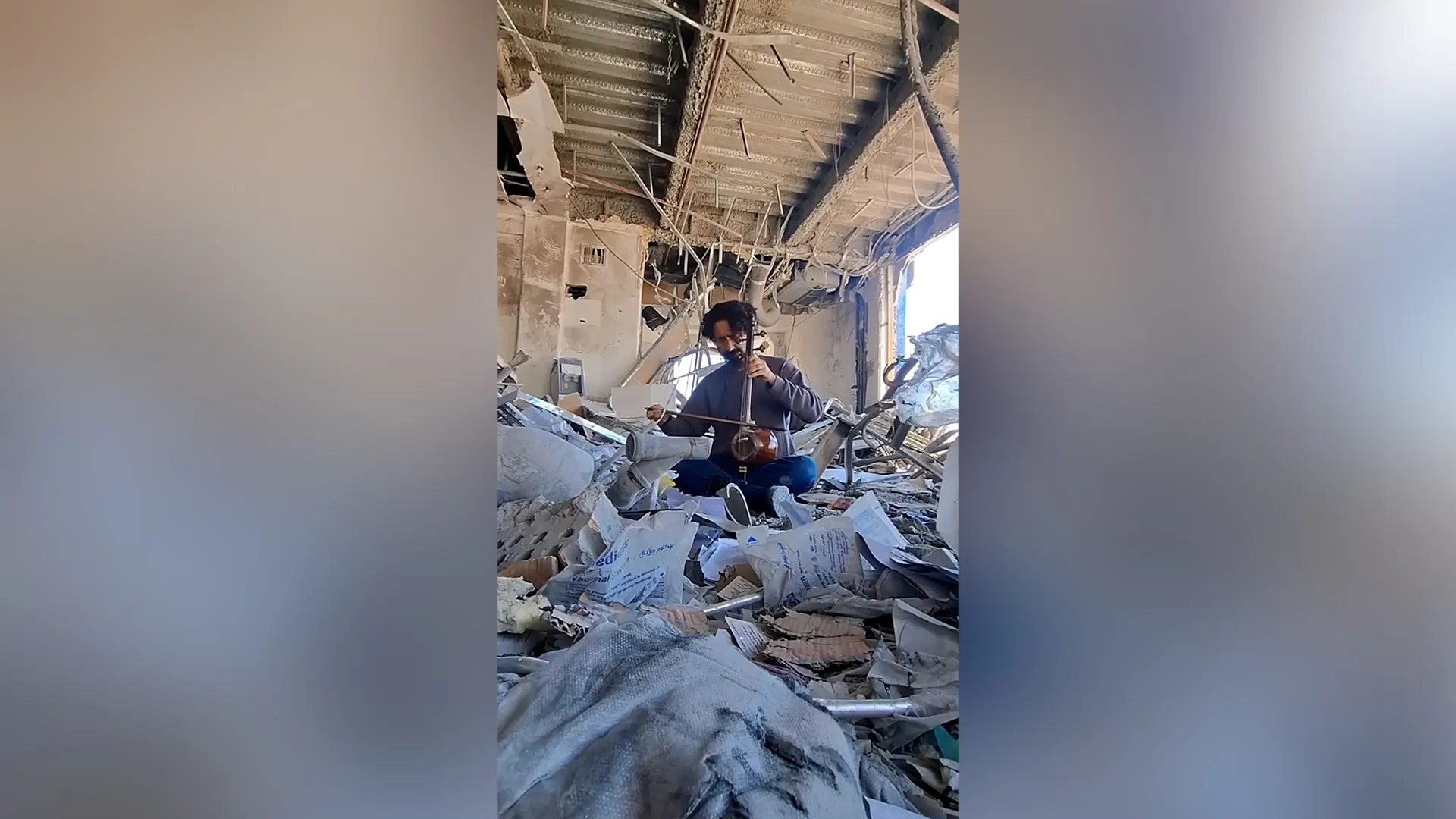
In environments recently marked by significant destructive incidents, a notable cultural shift is occurring. Instead of silence or the echoes of conflict, the sounds of traditional and contemporary music are beginning to resonate from city streets. This resurgence of musical performance marks a significant effort to restore normalcy and spirit to communities that have experienced periods of turmoil and damage.
The act of bringing musical expression back into these affected localities suggests more than just entertainment; it represents a deep, community-led commitment to healing. By reintroducing art into spaces bearing the marks of conflict, residents and artists are actively reclaiming public life, transforming sites of devastation into venues for cultural celebration and endurance.
The Significance of Artistic Revival
The return of musical performances to heavily impacted urban areas carries profound social meaning. Art, particularly music, serves as a powerful, non-verbal mechanism for collective processing of trauma. When daily life is disrupted by violence or damage, culture often becomes a primary vehicle for maintaining a sense of identity and continuity. These musical gatherings foster a shared experience that helps individuals reconnect with their normal routines and with each other, fostering communal support in the wake of upheaval.
These cultural interventions suggest a localized resilience model, where the arts are utilized not merely as a pastime, but as a foundational component of psychosocial recovery. The focus shifts the narrative surrounding the locations—moving the emphasis from the physical damage to the enduring spirit of its inhabitants. Official statements indicate that such cultural anchors are vital for preventing communities from slipping into prolonged periods of despair or disengagement.
Sustaining Community Spirit Through Sound
The commitment demonstrated by the musicians is one of sustained dedication. It involves an active choice to perform and assemble in areas that may still be considered sensitive or incomplete in their recovery process. This choice underscores a belief in the enduring value of cultural practices, acting as a visible declaration that the community’s life—its artistic pulse—continues despite external setbacks.
This pattern of cultural return provides a model for post-conflict reconstruction globally. It highlights that rebuilding a city requires more than just physical rebuilding; it demands the careful, deliberate reinjection of cultural life. When citizens can gather to share art and music, they rebuild the intangible social fabric that was frayed by the events themselves. It is a testament to the human need for beauty and connection to persist even under duress.
Contextualizing Cultural Recovery
Throughout history, artistic expression has frequently emerged as a hallmark of societal transition, particularly after periods of intense instability. The documentation of such cultural resurgence provides insight into how communities manage collective grief and reconstruct their sense of self. For the artists involved, the performance itself becomes an act of remembrance—remembering the vibrancy of life that existed before, and championing the vibrancy they intend for the future.
Ultimately, the audible shift in these locales underscores a powerful human impulse: the desire to sing over the sirens. It frames the narrative of survival not just in terms of structural integrity, but in terms of cultural continuity and enduring artistic expression.
About the Author