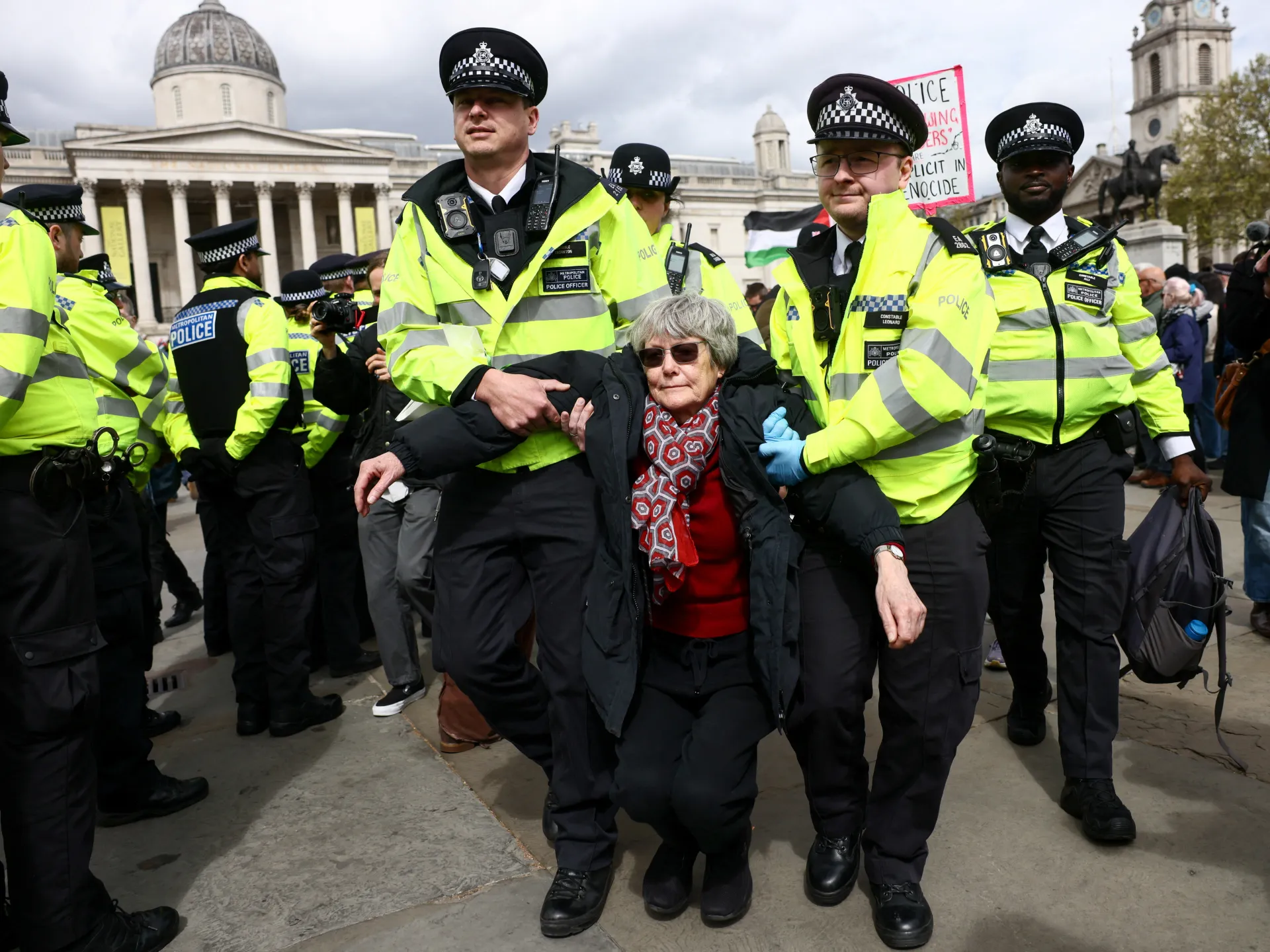
Public Figures Mobilize Support Ahead of Court Review
A significant coalition of well-known artists, academics, and campaigners has publicly voiced their solidarity with the direct action group Palestine Action. This show of support came just before a critical hearing at the UK Court of Appeal, where the government’s attempt to uphold the proscription of the activist group is scheduled to be heard. Over a hundred signatures were gathered on a declaration stating a clear message of opposition to genocide and support for the group.
Among those lending their support are internationally recognized figures, including novelist Sally Rooney and prominent climate activist Greta Thunberg, alongside respected scholars from leading global universities. This broad base of public intellectual and artistic voices has created a notable counter-narrative to the government’s legal designation of the organization.
The Stakes: Legal Status and Free Speech
The core of the dispute revolves around the UK government’s action to officially proscribe Palestine Action as a designated organization. This legal classification carries severe implications, placing the group in a highly restricted category. For any individual, affiliation with or explicit support for the group can lead to criminal charges, with penalties that could be very substantial. This legislative action effectively criminalizes support for the organization, creating a climate of fear among supporters.
The controversy marks a volatile period of legal conflict. Previously, a lower court had ruled that the government’s ban was unjustified and excessive. However, the ongoing appeal process suggests that the legal battle remains intensely active. This divergence between judicial rulings and subsequent police enforcement has generated significant concern regarding the perceived fairness and proportionality of the state’s actions against demonstrators.
Implications for Civil Liberties
The mounting legal resistance highlights deep divisions regarding the scope of free assembly and expression in the current political climate. Activist organizations argue that the government’s enforcement of the proscription, particularly in relation to visible support, risks eroding fundamental civil liberties. They suggest that the ongoing arrests and legal maneuvers underscore a pattern of overreach, suggesting that the law’s application is more arbitrary than legally necessary for national security.
The depth of the support shown by intellectuals and artists suggests a widespread belief that the governmental overreach—especially the criminalization of supportive speech—is problematic. The collective action serves not only as a defense of the group itself but also as a broader critique of the boundaries of dissent under current legal frameworks, raising significant questions about the balance between state security measures and democratic freedoms.
Background Context: The Legal and Political Backdrop
The proscription process itself has drawn sharp criticism for its speed and scope. When a group receives such a designation, it fundamentally alters the legal rights of its members and supporters. In recent months, the situation has seen fluctuations in police activity; initial indications of restraint were followed by reports of significant numbers of arrests during protests supporting the cause. These events provide the backdrop for the current legal challenges, making the court proceedings a crucial juncture for observers watching the limits of law enforcement power versus the right to protest.
About the Author