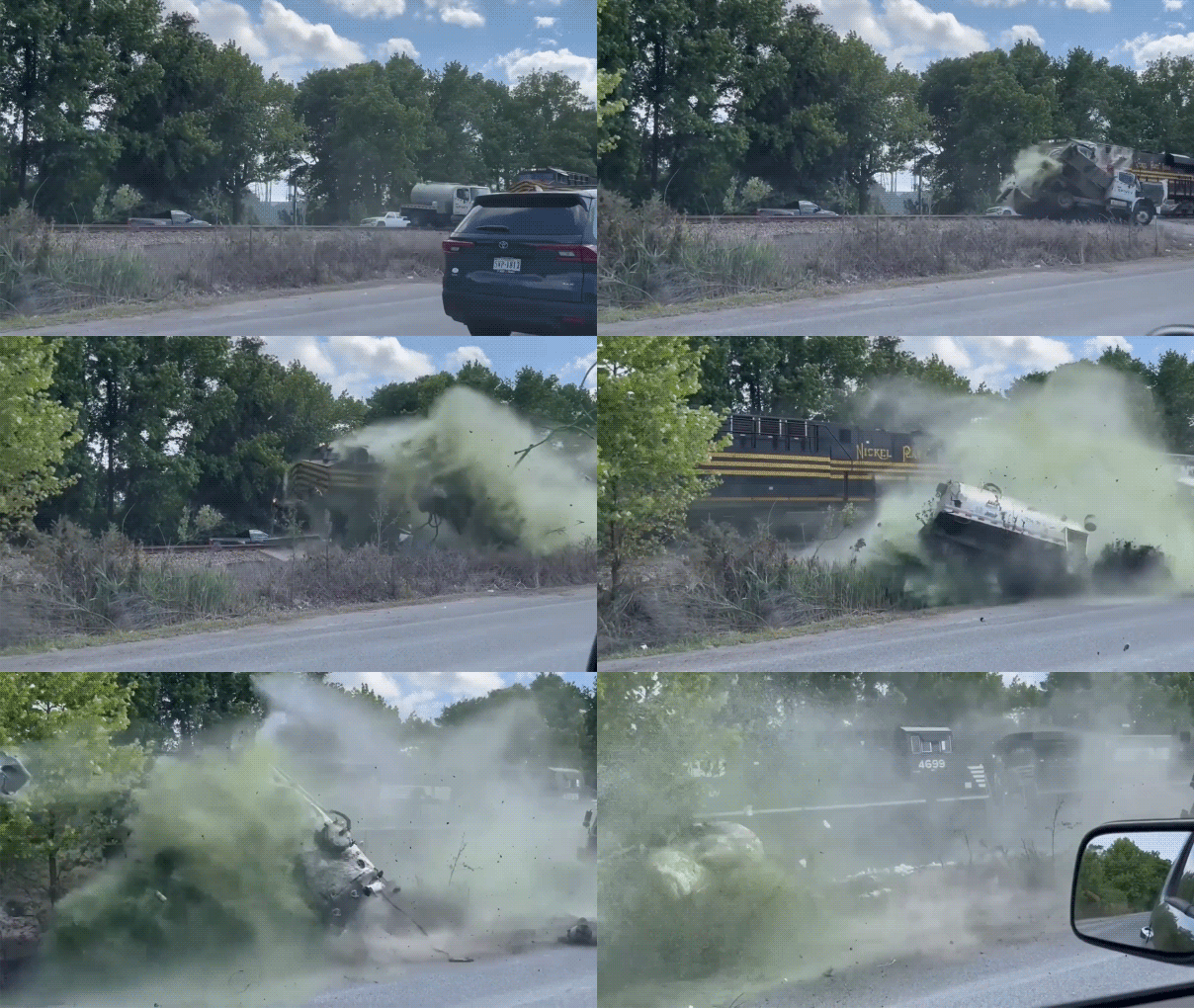
Disaster at the Rails: Freight Train Collision Devastates Septic Truck in Virginia
A significant industrial accident unfolded recently at a railroad crossing in Virginia, resulting in the total destruction of a septic service vehicle. Eyewitness footage captured the dramatic moment an oncoming freight train, identified as belonging to Norfolk Southern, struck the truck while it was traversing the tracks. The impact was severe, causing the specialized tanker to overturn and release its contents onto the roadway.
According to accounts of the incident, the collision occurred in the late afternoon hours of May 14th. The force of the crash was tremendous, scattering materials from the truck as it came to a violent halt against the solid metal structure of the train. Investigators have since begun a thorough review of the circumstances surrounding the derailment, focusing on compliance with railway crossing safety protocols.
The Gravity of Railway Interactions
This event underscores a persistent and dangerous issue regarding the interaction between public vehicles and active railway corridors. The expert perspective shared by those who witnessed the event highlighted a crucial difference between automotive crossings and rail infrastructure. Unlike standard roadways, railway crossings involve massive, heavy equipment operating on fixed steel lines. The potential for sparks and structural damage inherent in the train’s movement makes vigilance far more critical than usual road safety procedures might suggest.
One notable element contributing to the investigation’s focus is the physical infrastructure itself. Reports indicate that the specific crossing involved lacks standard, comprehensive warning mechanisms typically found at high-traffic intersections, making the area inherently riskier for casual crossing.
Implications for Local Safety Protocols
The aftermath of this collision immediately raised questions regarding local ordinances and safety enforcement at private rail crossings. Preliminary findings mentioned by authorities suggested a potential failure to obey posted traffic control signs prior to the incident. This suggests that human adherence to established rules remains a primary area of concern when reviewing such industrial accidents. The incident serves as a stark reminder of the necessity for absolute caution and respect when traversing railway lines.
Beyond the immediate physical damage and cleanup efforts, the accident prompts a broader community conversation about infrastructure maintenance and public awareness. Experts observing similar situations suggest that increased signage, mandatory driver education specific to rail crossings, and better communication between local authorities and railway operators are necessary measures to mitigate future risks.
Context of Rail Operations
Rail freight operations represent a critical component of regional commerce, moving large volumes of goods across established, permanent paths. Because the train itself carries immense kinetic energy, its interaction with non-rail traffic carries disproportionate risk. Understanding the physics of this interaction—the sheer mass and momentum—is key to comprehending the potential scale of any resulting accident. This underscores why regulatory oversight of the crossing points themselves is so vital for community safety.
About the Author