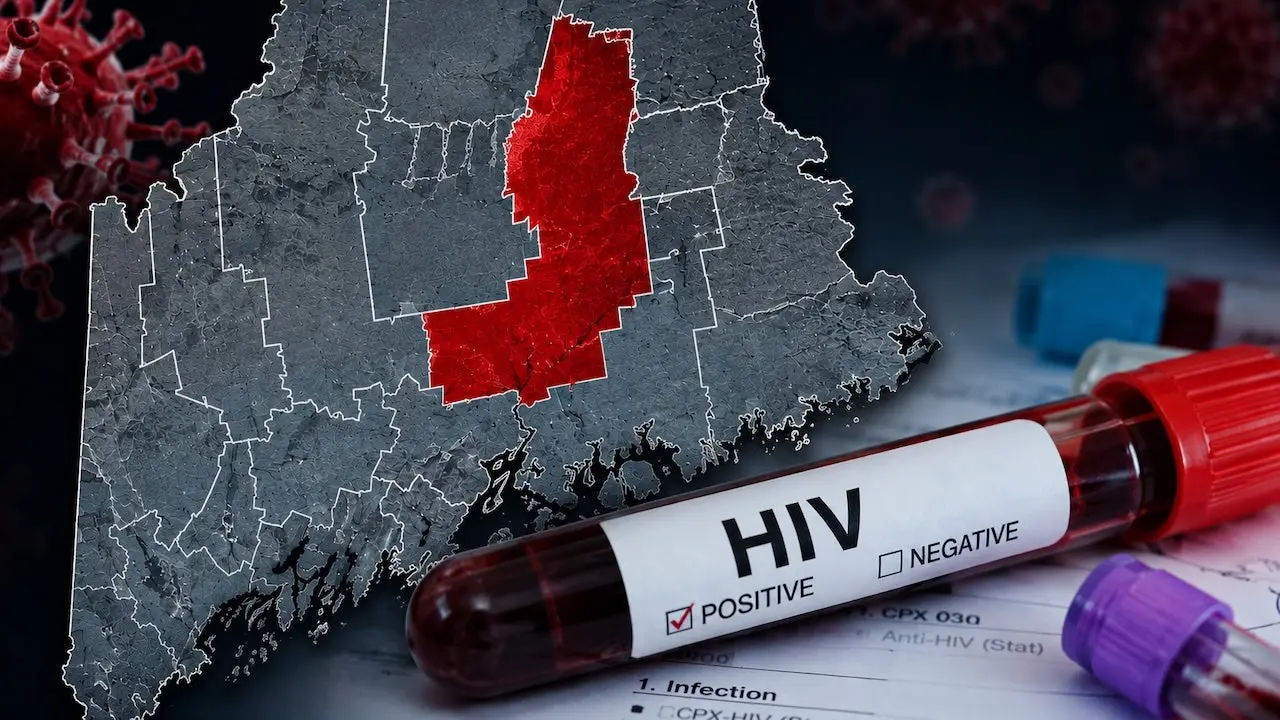
A significant increase in HIV diagnoses has drawn the attention of public health authorities in a central Maine county. The current outbreak, which began to escalate in late 2023, has resulted in a concerning number of reported cases, far surpassing the historical baseline for the region. This escalation has prompted a coordinated effort involving state health departments and local community groups to manage the spread and provide essential resources to those affected.
Health officials are actively managing the situation, emphasizing that the officially documented total likely underestimates the true scope of the issue. The core of the response focuses on prevention education, particularly surrounding substance use practices, as these behaviors have been strongly correlated with the newly identified infections. Furthermore, the cluster of cases suggests interconnected public health challenges that require sustained community-level intervention.
What This Means: Understanding the Health Crisis
The surge in cases signals a heightened public health threat requiring immediate and intensive monitoring. For the community, this means increased availability of testing services and educational outreach regarding safer practices to prevent transmission. Moreover, the high co-occurrence of other health issues, such as hepatitis C, highlights that addressing HIV in this area necessitates a comprehensive approach to co-morbid chronic diseases, rather than treating HIV in isolation.
Background and Context: A Multi-faceted Health Concern
HIV remains a serious, manageable condition without a cure, but it severely compromises the immune system’s ability to fight off other infections and diseases. The medical understanding emphasizes that while medication is crucial for controlling the virus’s progression, prevention and comprehensive care management are paramount to reducing transmission rates. Local health departments are working to contain the spread by focusing resources on the population groups most impacted by drug use and homelessness. Additionally, the state’s response is bolstered by federal resources, including site visits from national disease control experts, ensuring that best practices and epidemiological support are brought to bear on the local situation.
About the Author