Deconfliction Efforts: DRC Government and M23 Agree on Humanitarian Guarantees and Ceasefire Monitoring
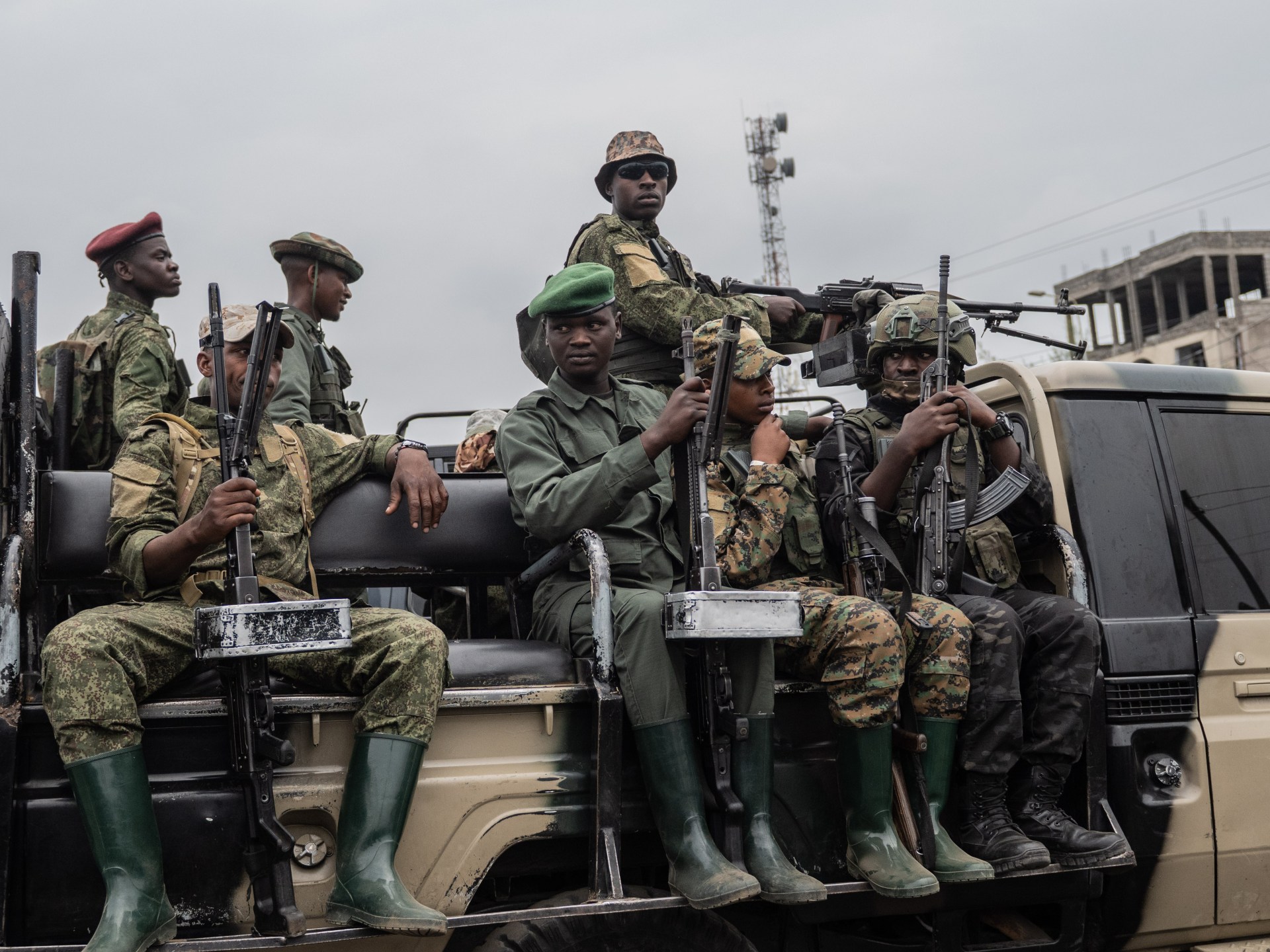
Recent diplomatic engagements in Switzerland have yielded a notable set of commitments between the Democratic Republic of the Congo (DRC) government and the M23 rebel group. The key outcomes involve concrete pledges to improve humanitarian access, cease hostilities, and establish a mechanism for monitoring adherence to a permanent ceasefire. This agreement marks a significant, albeit fragile, step forward in resolving the protracted conflict plaguing eastern DRC.
Beyond temporary ceasefires, the involved parties have formally agreed to bolster protections for vulnerable populations. Both sides committed to refraining from actions that would impede the delivery of essential humanitarian aid into conflict-affected regions. Furthermore, efforts are underway to safeguard civilians by ensuring access to medical care for the injured and sick, while simultaneously making progress on protocols designed to offer stronger judicial protections to the local populace.
In parallel agreements, the two factions have pledged to facilitate the release of detained individuals within a specific timeframe, a measure intended to rebuild necessary trust between the opposing forces. To lend weight to these accords, representatives also signed a memorandum establishing a dedicated monitoring body. This body is tasked with actively supervising, observing, confirming, and reporting on the implementation of the agreed-upon ceasefire terms.
Significance and Impact of the Commitments
The mutual agreement on humanitarian principles is perhaps the most immediate positive impact. For civilians caught in the crossfire, the commitment to unimpeded aid flow means a potential lifeline for those facing dire shortages of food, medicine, and shelter. Similarly, the focus on monitored ceasefire observance shifts the dynamic from intermittent clashes to a structured period of verifiable calm. The inclusion of a monitoring mechanism is crucial because, historically, peace agreements in this volatile region have struggled with consistent enforcement.
This diplomatic breakthrough suggests an acknowledgment by both major actors that continued fighting is unsustainable, placing the immediate welfare of civilians and the stability of aid operations at the forefront of their negotiating priorities.
Context of the Ongoing Crisis
The tensions in eastern DRC have been escalating for an extended period. Since 2021, conflict has intensified as the M23 group has reportedly expanded its control over territory in the eastern provinces. This entire region has been subjected to decades of severe instability and violence. Although a peace framework was previously negotiated under the auspices of the United States, armed confrontations have continued, most recently reported in the elevated areas of South Kivu. Reports from human rights organizations have previously highlighted that civilians in these specific highlands were facing acute distress, with aid delivery routes frequently obstructed and local populations fearing abuses from all armed entities, underscoring the urgency behind the recent diplomatic gains.
About the Author