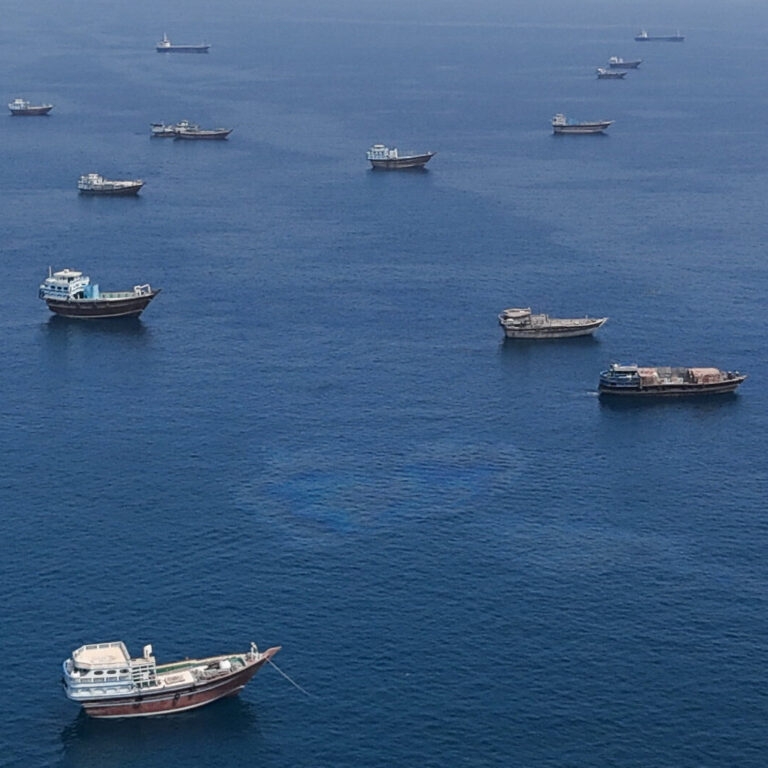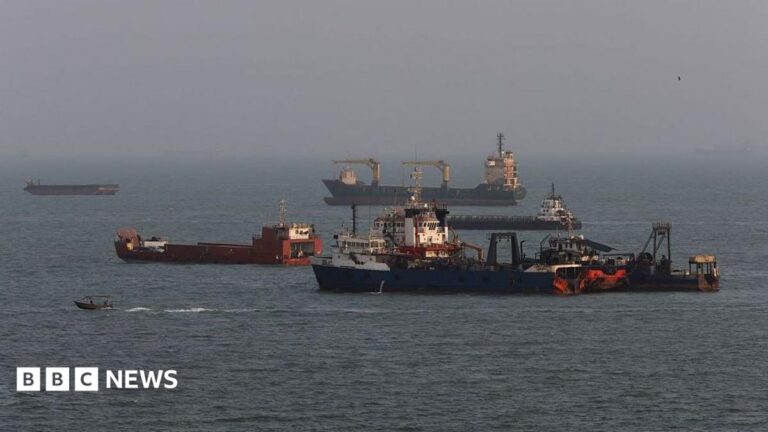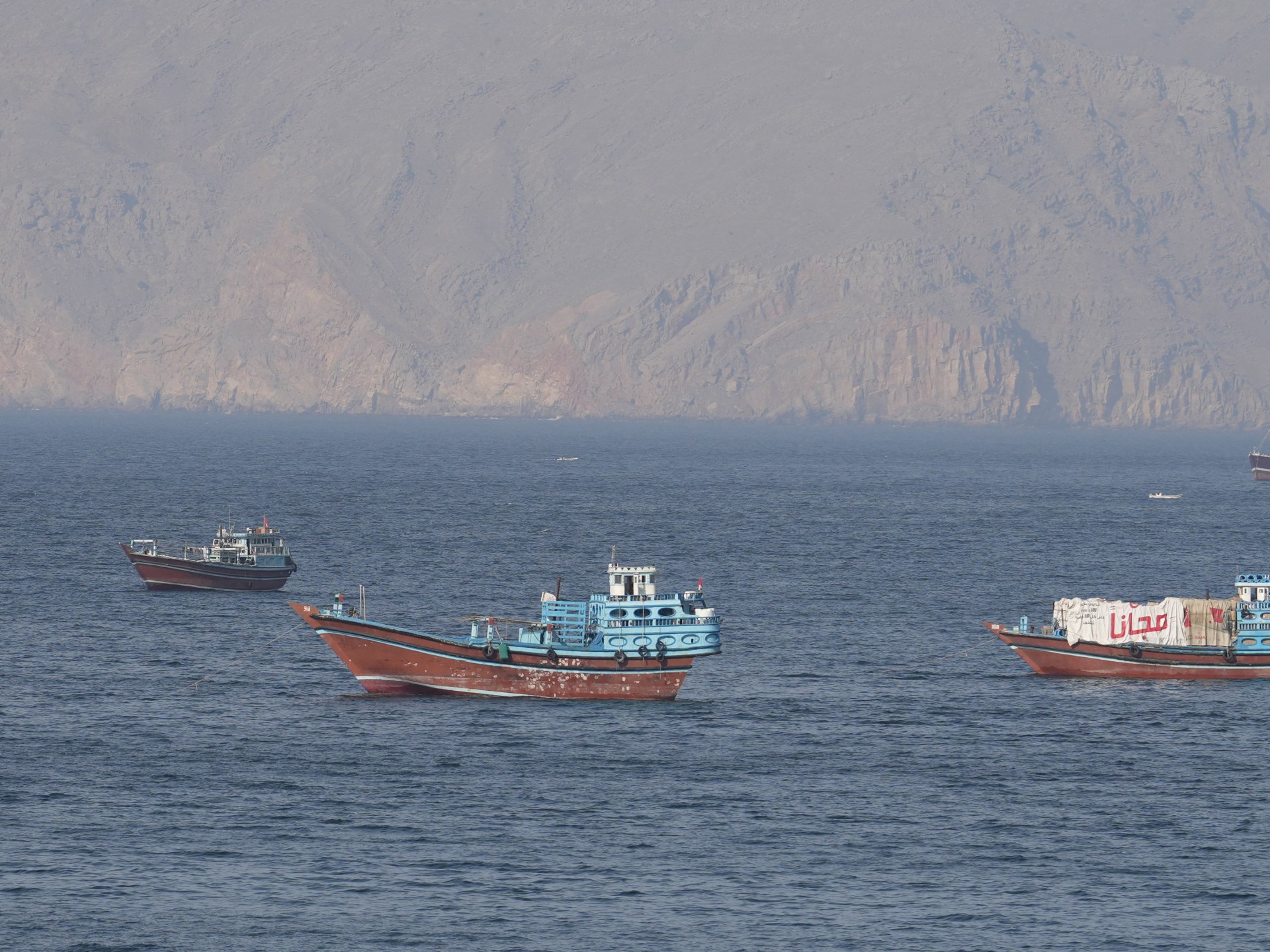
The critical global maritime passage known as the Strait of Hormuz has once again become a focal point of intense geopolitical friction between the United States and Iran. Tensions have escalated following pronouncements from Washington regarding ongoing port blockades, which have significantly complicated efforts toward regional de-escalation. Reports indicate that initial hopes for stabilizing trade through the waterway were quickly undermined by subsequent actions from Iranian military bodies. This heightened uncertainty raises immediate concerns about global energy supply stability and the potential for broader conflict escalation.
Statements suggest a rapid reversal in Iran's posture regarding passage rights through the Strait. While initial communications had suggested the waterway would remain open for commercial traffic following a temporary truce, a subsequent declaration indicated a departure from that agreement. Iranian military authorities asserted that the status of the Strait would remain under stringent control. These statements were directly linked to the existing blockade imposed by the United States on Iranian ports, framing the control measures as necessary responses to perceived external actions.
These escalating disputes center on navigation rights and trade passage. Key Iranian negotiators have publicly stated that the ability of vessels to traverse the Strait is contingent upon Iran's agreement. Such assertions characterize the blockade as fundamentally impeding international freedom of navigation. The underlying disagreement pits the need for unfettered global commerce against national security claims and punitive measures enacted by major world powers.
About the Author