Protracted Health Crisis: Global Health Bodies Forecast Extended Ebola Vigilance in Central Africa
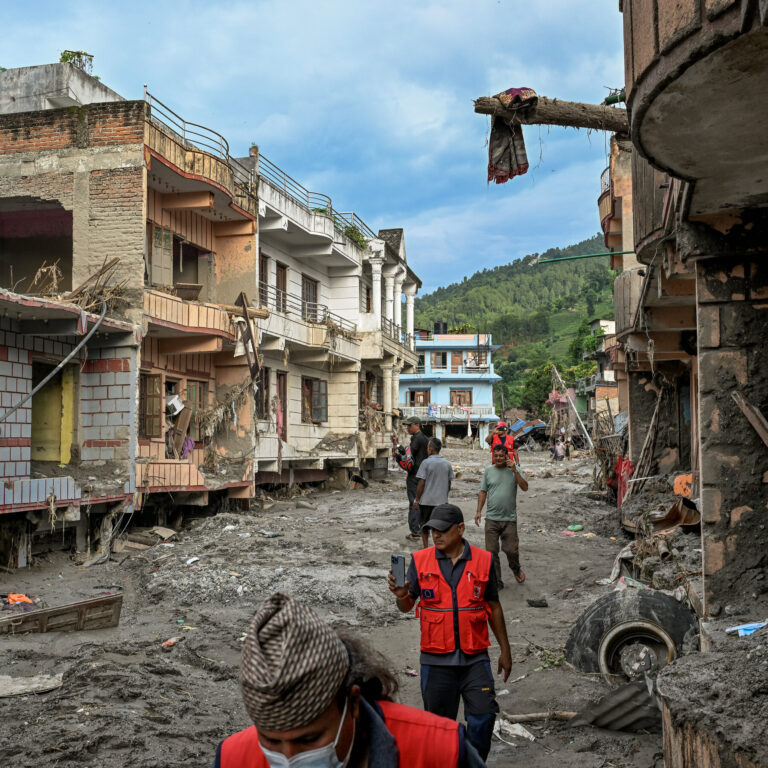
Health organizations have issued warnings suggesting that the current Ebola threat in parts of Central Africa is not a short-term emergency. Experts are cautioning that the outbreak could persist and require sustained levels of public health intervention for several months to come. This outlook necessitates a prolonged focus on containment measures, heightened surveillance, and robust community support systems.
Preliminary data tracking infections across nations like the Democratic Republic of Congo and Uganda reveals a concerning scope to the outbreak. While official counts document hundreds of suspected fatalities and numerous confirmed cases, health specialists advise that these reported figures likely represent only a fraction of the true epidemiological picture. This discrepancy underscores the challenge in monitoring such a virulent pathogen across large, complex regions.
What This Means for Regional Stability
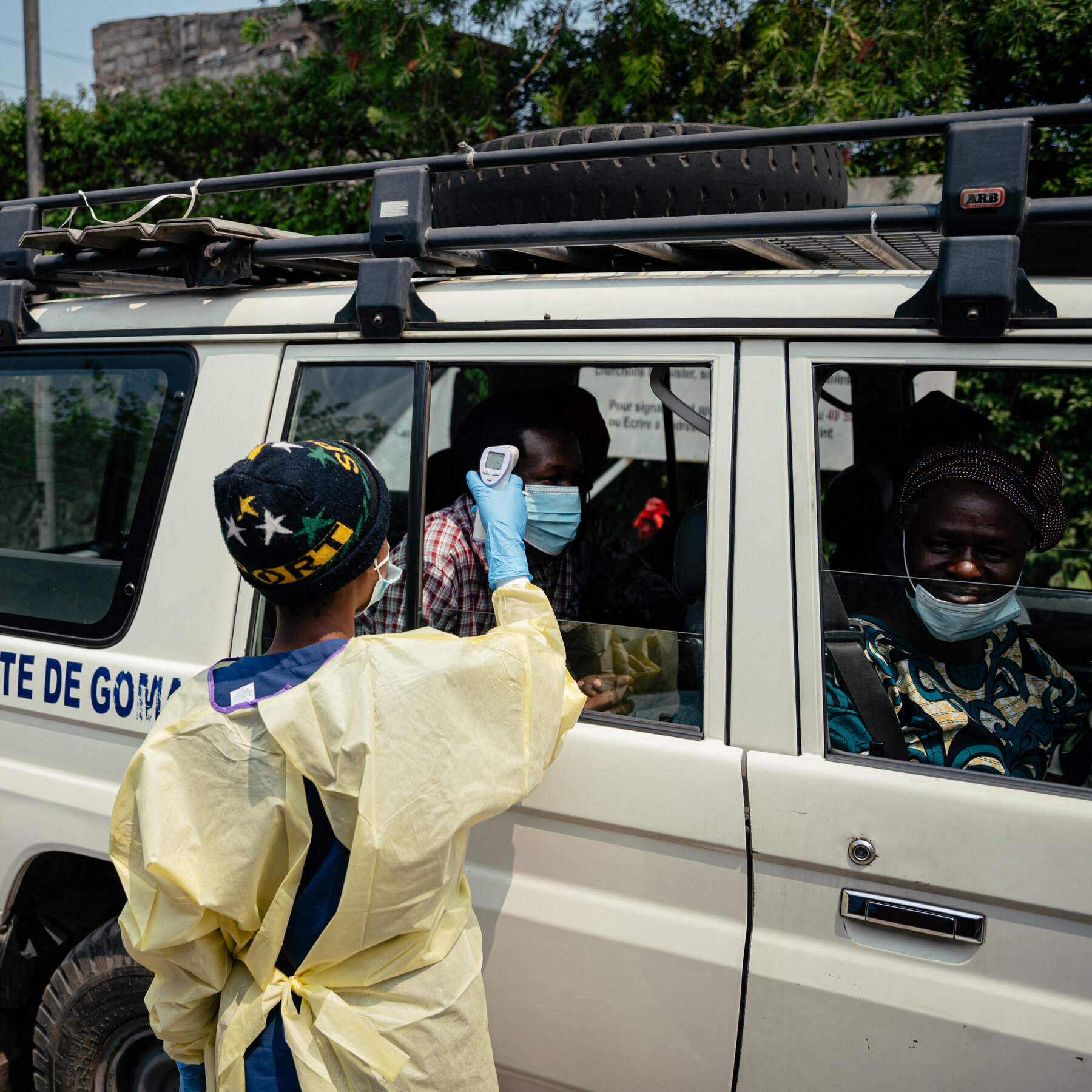
The forecast for a prolonged outbreak signals a significant shift in global and regional health resource allocation. It suggests that public health systems, medical supplies, and trained personnel must be prepared for an extended mobilization. For local populations, this translates to the need for sustained behavioral changes—such as adherence to quarantine protocols and rigorous hygiene practices—over an extended timeline. Health authorities must maintain high levels of operational readiness to manage potential surges in infection rates, as the virus remains active in the transmission cycle.
Understanding the Ebola Challenge
Ebola virus outbreaks are inherently difficult to control due to the severe symptoms and high fatality rates associated with the disease. When a localized outbreak evolves into a prolonged public health concern, the challenge becomes multifaceted. Beyond clinical containment, managing the outbreak requires addressing underlying socioeconomic determinants, including strained local health infrastructures and difficulties in reaching remote populations. The ongoing situation demands coordinated action that integrates medical response with community education and preventative measures to successfully curb transmission over an extended period.
The global response must therefore shift its focus from mere outbreak declaration to long-term epidemiological management. Maintaining public trust, ensuring consistent supplies of protective equipment, and coordinating border health screenings are critical pillars that must remain solid as the community prepares for weeks, if not months, of elevated risk.
About the Author