Political Unrest Grips Bolivia as Opposition Challenges New Administration
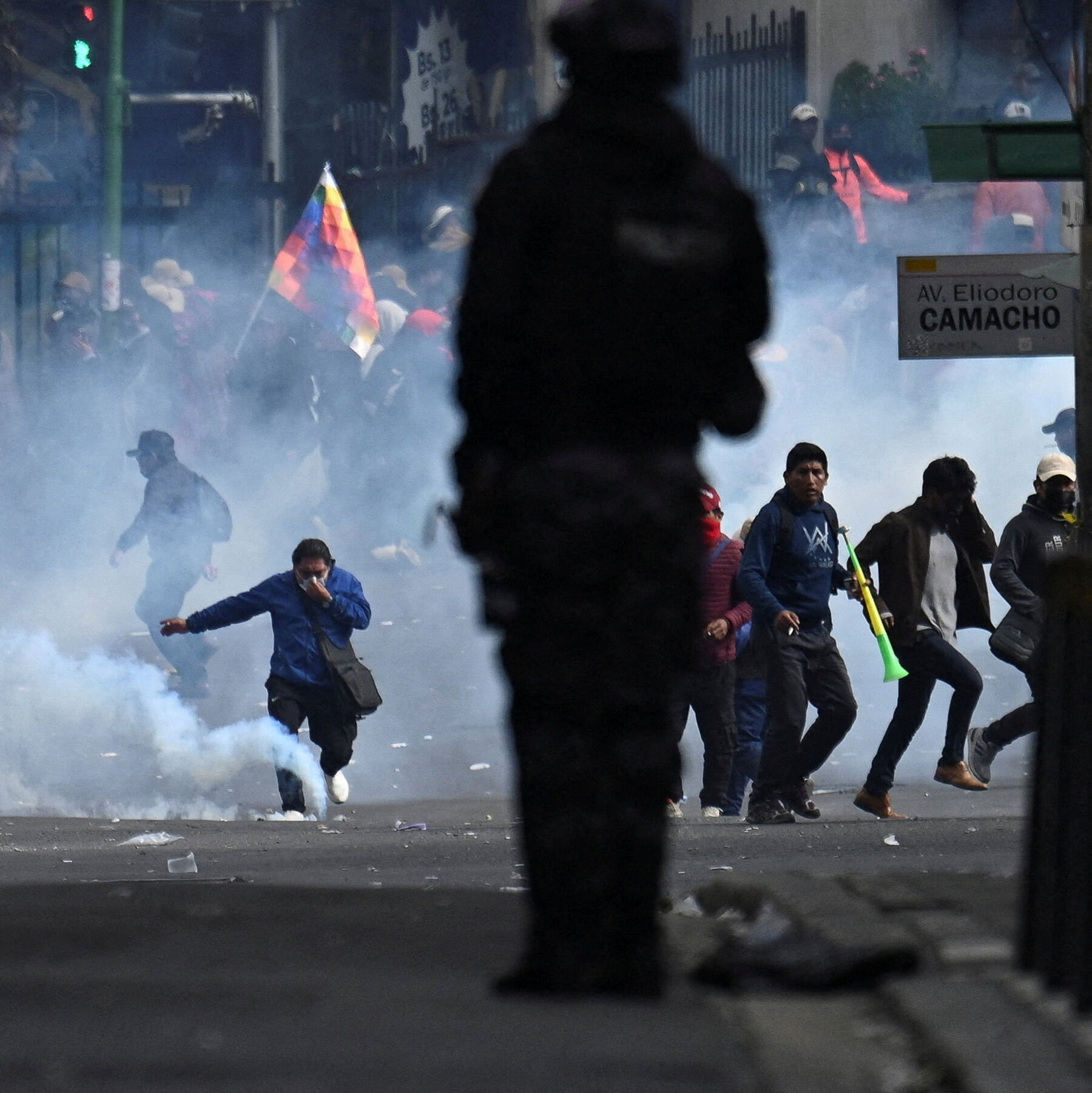
Bolivia is currently experiencing a period of significant political tension, marked by widespread demonstrations and mounting instability. The nation’s political landscape appears fractured, with substantial segments of the electorate expressing deep dissatisfaction with the current direction of governance. This discontent is notably challenging the authority of the newly installed administration, despite a political transition that followed years of left-leaning rule.
The core of the unrest stems from a palpable disconnect between the electorate and the policies being implemented. Many citizens who previously supported the recent political shift feel that the day-to-day reality under the current leadership has deteriorated, leading to widespread calls for accountability and change. The demonstrations are not merely sporadic protests; they represent a mobilized sentiment expressing a profound sense of frustration with the operational impacts of the government’s policies.
What This Means: A Period of Reassessment
The current climate suggests that the political consensus that supported the recent change in leadership is fracturing under the weight of economic and social pressures. The sustained protests indicate that the challenges facing the government are systemic, affecting daily life and livelihoods for a large portion of the population. For the nation, this period signals a necessary, if turbulent, reassessment of the country’s socio-economic model and governance strategies moving forward.
Background and Context: Shifts in Political Allegiances
For decades, the country was characterized by a dominant political orientation on the left. This established pattern provided a framework for governance that many citizens came to rely upon. The recent transition marked a notable shift toward a more conservative political platform. However, history shows that significant policy pivots can create ripples of discontent. When governance radically changes, it often upsets established economic equilibrium and social expectations. Reports suggest that the gap between the promises of the new regime and the lived experiences of the populace has widened considerably, fueling the current wave of activism.
These public demonstrations are thus more than just reactions to policy; they reflect deep-seated concerns about the overall stability and direction of the national project. The sustained nature of the unrest underscores that the electorate remains highly engaged but severely disillusioned with the current management, demanding concrete improvements and political concessions from those in power.
About the Author