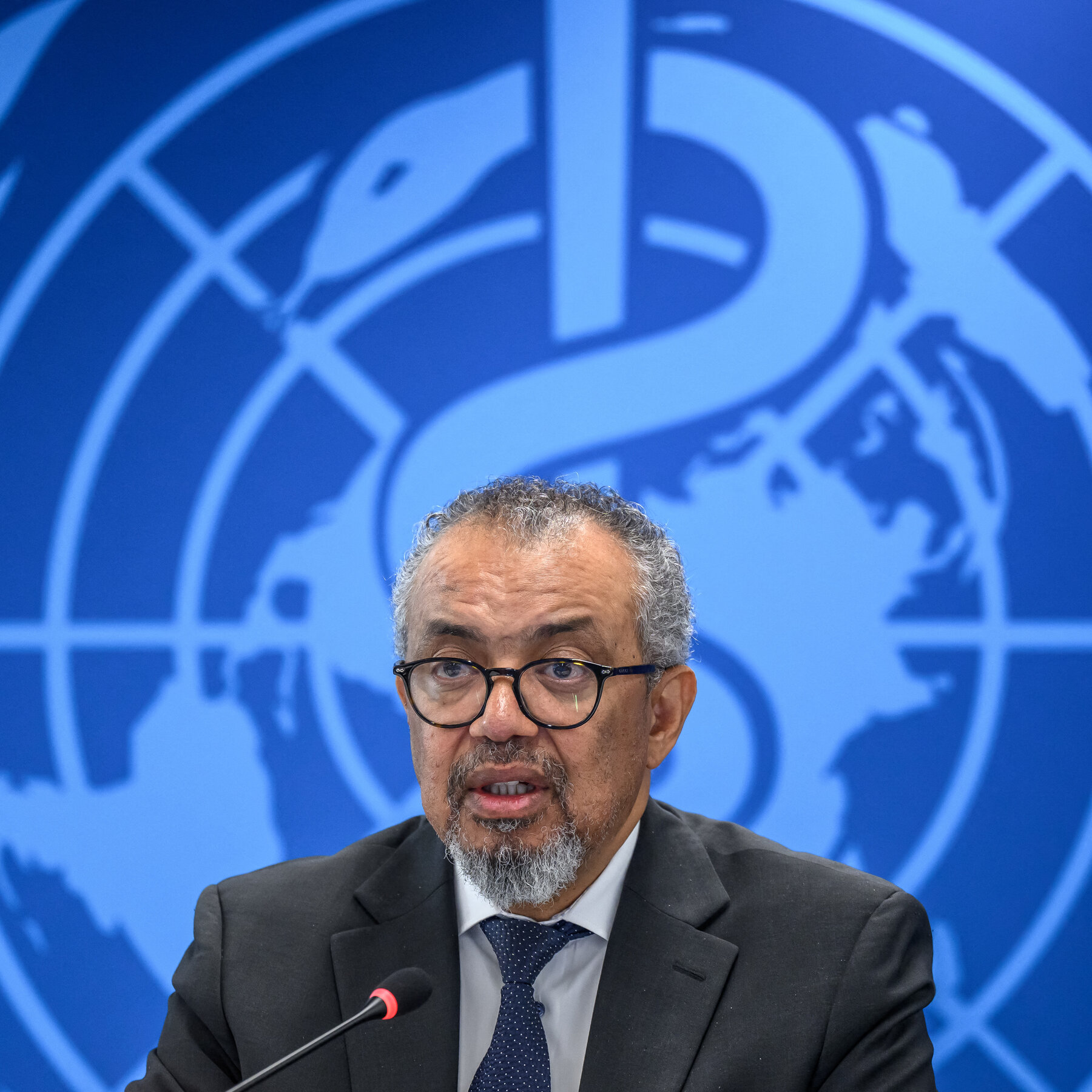
The World Health Organization’s leadership has issued a measured statement regarding the current outbreak in central Africa, clarifying that the situation does not currently meet the threshold of a global pandemic emergency. Director-General Tedros Adhanom Ghebreyesus emphasized that while the situation requires significant international attention and careful management, it should not trigger widespread alarm regarding an immediate, uncontrollable global spread.
This directive serves to temper public anxiety while maintaining a high level of readiness among health agencies. The messaging shifts the focus from catastrophic global prediction to focused, regional containment efforts. By defining the scope of the threat as localized and manageable through existing public health frameworks, the WHO aims to ensure that necessary resources are deployed where they are most needed without causing unnecessary economic or social panic in unaffected regions.
What This Means for Global Health Security
The clarification provides critical guidance to member states: while surveillance must remain intense, preparedness measures should be tailored to the specific geographic risk profile rather than defaulting to the highest, most costly global lockdown scenarios. The emphasis is on localized interventions—strengthening local healthcare infrastructure, improving contact tracing within affected zones, and ensuring rapid access to specialized medical countermeasures—rather than assuming a level of transmissibility or fatality rate that would mandate international crisis protocols.
Experts suggest that maintaining this calibrated approach is key to preventing public fatigue and ensuring the sustained cooperation necessary for containment. The success of managing such outbreaks hinges less on overarching global mandates and more on the robust, coordinated response executed by national and regional health bodies.
Background and Context of Outbreak Management
When managing outbreaks of high-consequence pathogens, the public health world often grapples with an escalation of alarm. The initial response frequently involves labeling an event as a potential pandemic, a designation that carries immense political and economic weight. According to reports, the guidance provided by the Director-General aims to de-escalate this language while reinforcing technical diligence. The goal is to manage expectations, signaling that the situation is severe enough to demand serious resources but contained enough to avoid panic measures.
This distinction is crucial for global stability. It directs attention toward the critical elements of epidemiology—understanding the pathogen’s transmission dynamics within its current environment—rather than focusing solely on speculative worst-case global scenarios. Continuous, transparent communication that aligns risk assessment with actionable mitigation steps remains the cornerstone of the World Health Organization’s strategy in such unfolding health crises.
About the Author