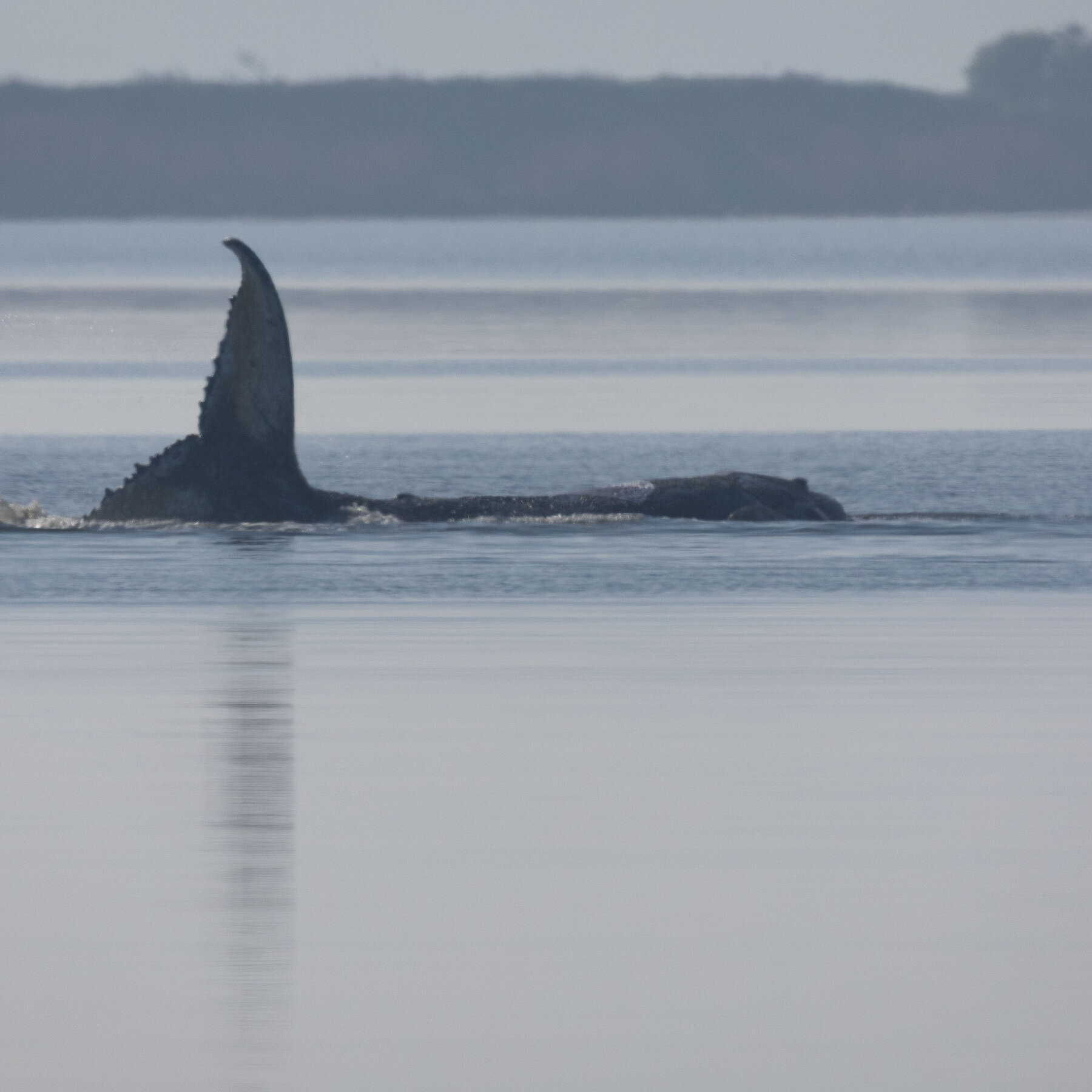
Mysterious Coastal Stranding Draws Focus to Marine Rescue Logistics
The recent incident involving a stranded humpback whale off the German coast captured significant public attention, quickly becoming a focal point for discussions regarding marine conservation and rescue protocols. What began as a localized maritime emergency evolved into a complex situation that involved various levels of coordination among multiple governmental and scientific bodies. The sheer size and nature of the animal presented immediate challenges, demanding specialized equipment and expertise to manage its recovery in a dynamic coastal environment.
The successful, albeit difficult, efforts to free the massive cetacean have garnered both praise for the dedication of the rescue teams and considerable scrutiny regarding the overall management of the event. As the immediate danger passed, public conversation shifted from sheer relief to a more detailed analysis of the procedures followed. This pivot in public discourse is typical of large-scale, high-visibility rescues, forcing both the public and the agencies involved to confront systemic questions about preparedness and inter-agency communication.
Understanding the Challenges of Cetacean Recovery
The handling of large marine mammals, such as humpback whales, presents unique logistical hurdles. These animals require highly specialized knowledge, as improper handling or premature release attempts can cause fatal injuries or place the animal in greater distress. The necessity of coordinating diverse groups—including naval personnel, biologists, and local emergency services—under immense time pressure is commendable, yet inherently fraught with potential points of failure. The complexity means that success is not merely about manpower, but about the seamless integration of varied skill sets and resources.
The Significance of Incident Review
Beyond the immediate drama, this event underscores a growing necessity for standardized, collaborative protocols across different regional authorities. When such a significant creature becomes stranded, the response must transcend local jurisdictions. Officials and environmental experts are now looking closely at the coordination timeline, particularly where efforts seemed to falter or where different parties appeared to assign blame for shortcomings. This review process is crucial for policy improvement, aiming to prevent future situations from devolving into organizational disputes rather than unified conservation action.
Broader Implications for Coastal Management
The incident also brings into sharp focus the overarching issues of human impact on marine habitats. Whales are often found stranded due to a combination of natural events, such as strong currents or unpredictable tide patterns, and anthropogenic stressors, including shipping lane alterations or changes in feeding grounds. Therefore, the discourse surrounding this recovery effort is not just about the whale itself, but about fortifying the entire ecosystem—creating clearer maritime guidelines, enhancing monitoring capabilities, and improving the regional readiness for wildlife emergencies that cannot be predicted.
About the Author




